
Last updated November 23, 2026
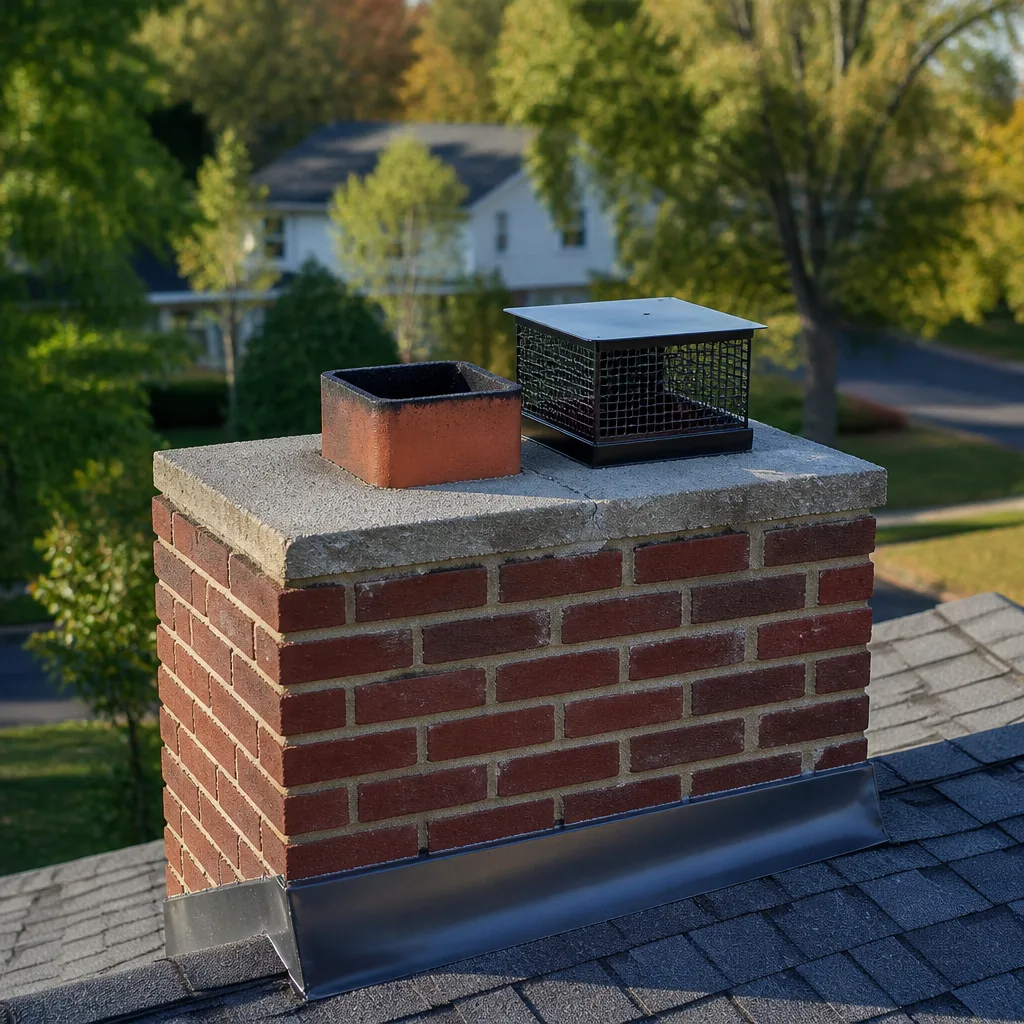 Sweep & inspection
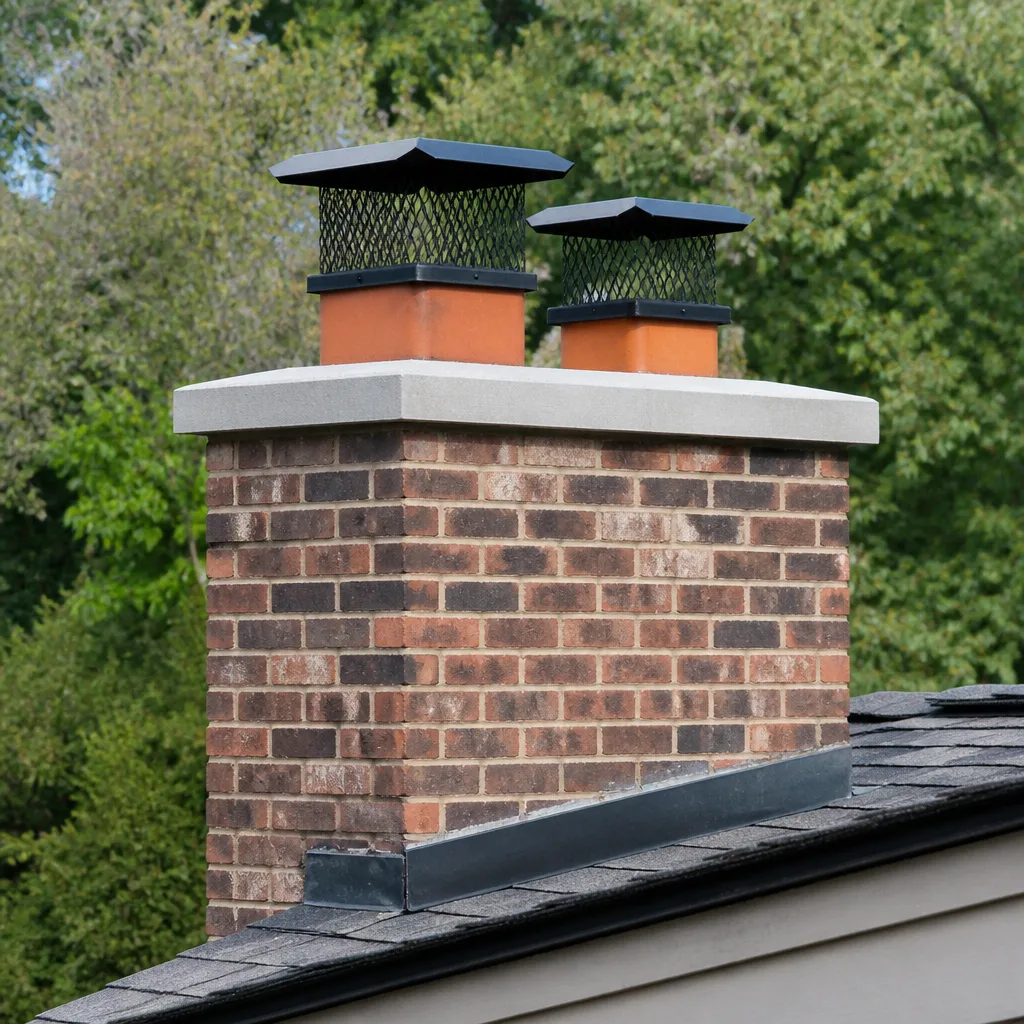 Caps & crowns
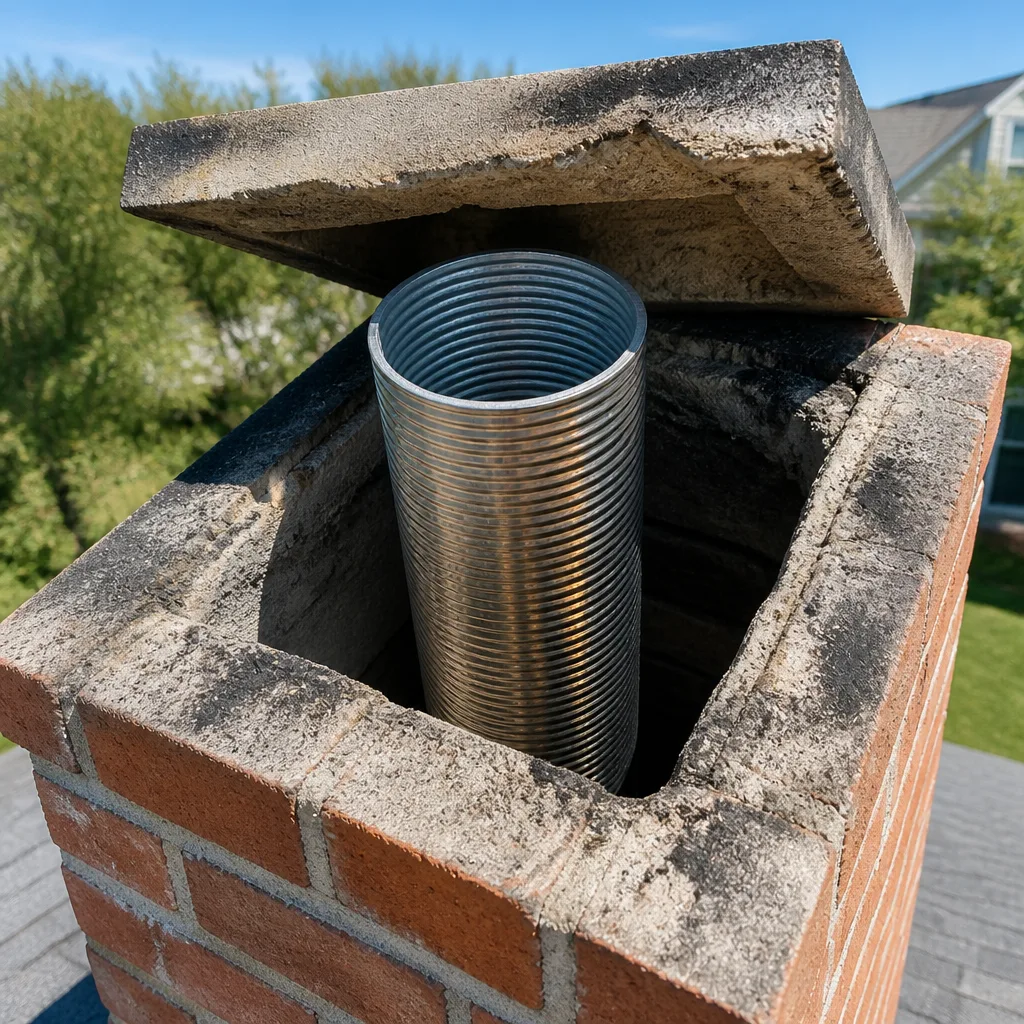 Flue relining
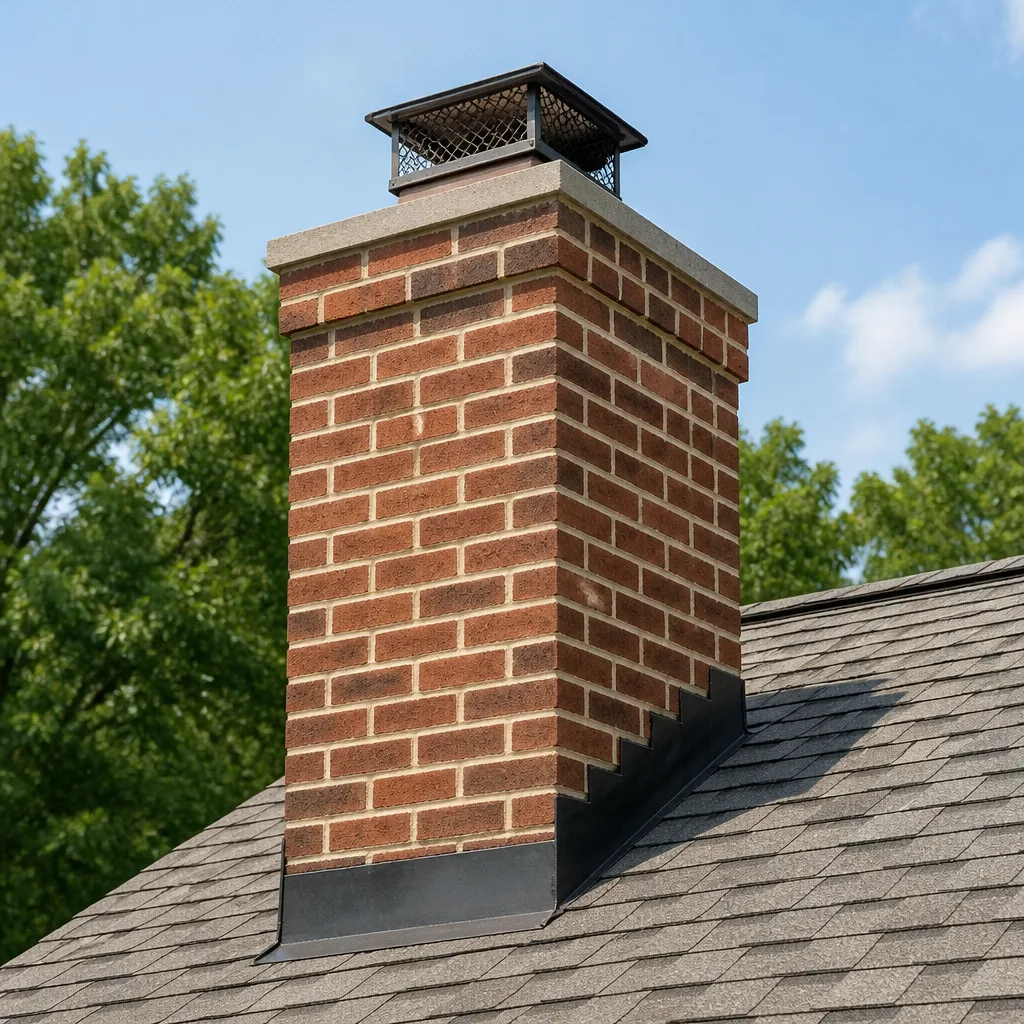 Masonry repair
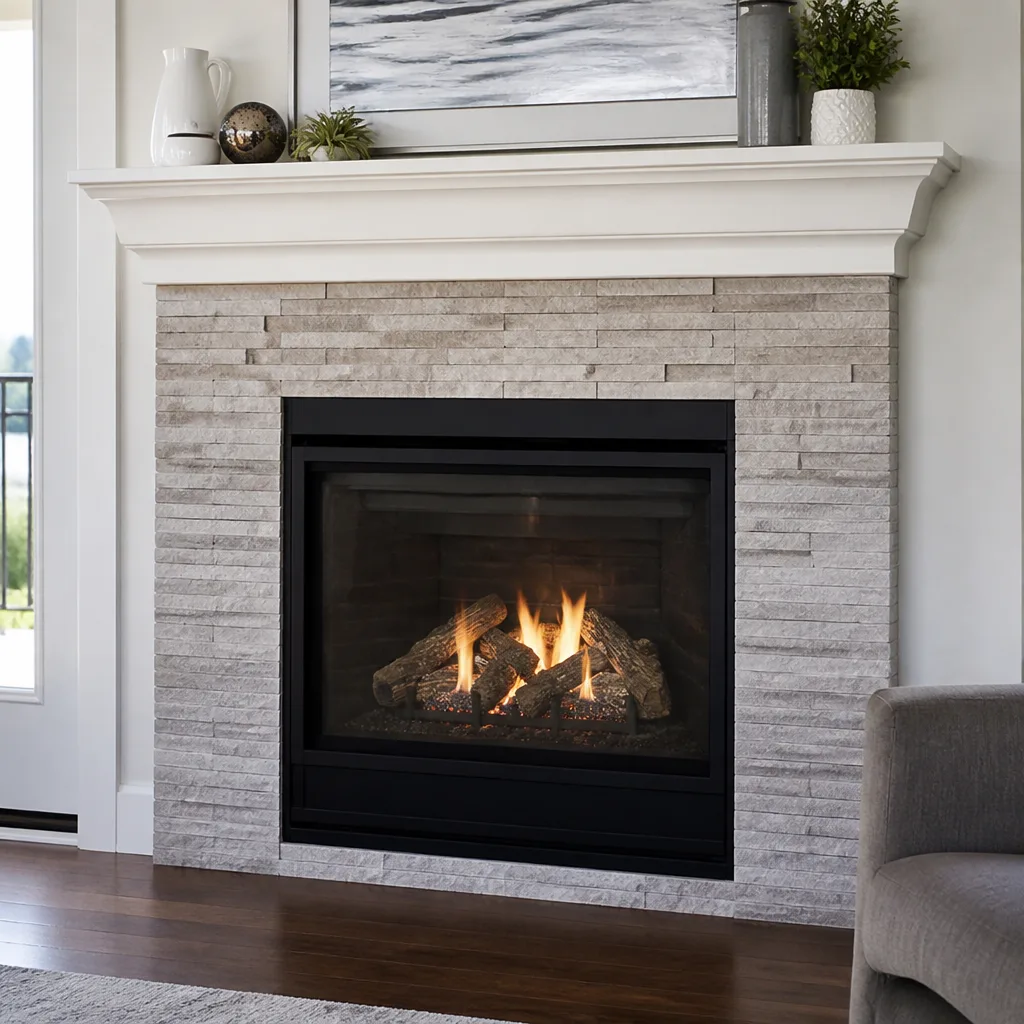 Gas fireplace service
Level 1 sweep and inspection to the NFPA 211 annual standard - flue, crown, cap, and flashing checked and photographed
Chimney sweep logs do not sweep chimneys. They loosen some creosote - which then falls where a brush and vacuum still have to collect it.
Chimney Sweep Maintenance Checklist for Arvada Homeowners
Most chimney advice online stops at “inspect your chimney annually” and leaves you standing in front of an open firebox with a flashlight and no idea what you’re supposed to be looking for. A checklist without decision logic is just a list of things to worry about. This guide is different. It pairs every inspection item with a plain-language next step, so when you find something, you know whether it’s safe to wait, whether it needs a closer look, or whether it’s time to call someone and stop burning. You’ll learn how to run a pre-season check in September, a mid-season check in January after the holidays, and a post-season check in spring when Arvada’s snowmelt gets to work on your masonry. We’ll also show you which items are legitimate visual checks you can do yourself and which ones need a camera or a professional probe. By the end, you’ll have a real maintenance routine, a way to log what you find, and a clear line between what you can handle and what belongs in the hands of a trained chimney professional.
Quick Answer
A safe chimney checklist for Arvada homeowners covers three timed checkpoints (pre-season in September, mid-season in January, post-season in spring), and each item comes with a pass/fail rule rather than a vague “look for damage” instruction. Some items, like a cracked crown or rusted cap, you can confirm with your own eyes and note for repair. Others, like the creosote layer inside the flue or a hidden cracked tile, only a camera inspection or professional probe can settle. Log every finding with a date so you have documentation for insurance or a future home sale, and call a professional for anything beyond a visual check.
Styles & brands we work with
- Sweep & inspection
- Caps & crowns
- Flue relining
- Masonry repair
- Gas fireplace service
Table of Contents
- Why a Chimney Checklist Is Only as Good as Its Next Step
- Pre-Season Checklist: What to Check in September
- Mid-Season Check: What Heavy Holiday Burning Tells You in January
- Post-Season Checklist: Spring Snowmelt and Your Mortar Joints
- What You Can Check Yourself vs. What Needs a Camera
- How a Professional Chimney Sweep Actually Works
- How to Log and Date Your Findings
- Common Mistakes to Avoid
- When to Call a Professional
- Frequently Asked Questions
Why a Chimney Checklist Is Only as Good as Its Next Step
A checklist that tells you what to look at, without telling you what to do when you find something, turns a maintenance routine into a source of anxiety. You spot a hairline crack in the firebox brick, you don’t know if it’s cosmetic or urgent, and it sits there in the back of your mind until spring. The value of a checklist is the decision that comes after the observation. Pass or fail. Wait or call. Watch or repair now.
Here in Arvada, that decision logic matters for reasons specific to our climate. We get cold snaps that drive heavy fireplace use for weeks, then warm chinook days that melt snow on the roof and send water down the chimney in a slow trickle. That freeze-thaw cycling is hard on mortar joints and crowns. A checklist that just says “inspect the chimney” doesn’t help you handle that. One that tells you to check the crown for its first fine crack in September, then check it again in April after snowmelt, does.
Warm air rising up a flue also carries fine creosote. Our technicians have up to 8 years of experience, and the single most common issue we run across in Arvada homes isn’t a dramatic chimney fire scar; it’s a gradual buildup that the homeowner never suspected because everything “looked fine” from the hearth. That’s why a checklist needs to tell you what you can see and what you can’t.
Three principles run through everything below:
- Time it to the season. Pre-season, mid-season, and post-season checks each catch different things.
- Pass or fail, not “check for damage.” Every item gets a decision rule so you don’t have to interpret.
- Know your limits. A visual inspection from the hearthstone catches maybe half of what a camera and probe catch. That’s not a reason to skip it; it’s a reason to combine it with a professional inspection once a year.
If you’re near Olde Town Arvada or the older bungalow blocks around it, where a lot of 1950s and 1960s chimneys are still in service, the post-season check in particular is worth doing carefully. Masonry from that era holds up well when it’s maintained and cracks fast when water gets in and freezes. We’ll show you how to spot that early.
Pre-Season Checklist: What to Check in September
September in Arvada is the right time for the pre-season pass. The fireplace is quiet, days are still warm, and you have time to schedule any repair before the first cold snap. The goal of this checklist isn’t to fix anything, it’s to document the current state of the system so you know what changed since spring. Grab a flashlight, a notebook, and a camera (your phone is fine), then work down the list.
- Crown condition. Stand back from the chimney and look at the concrete cap on top (the crown). Pass: the crown slopes away from the flue and the surface is intact. Fail: you see a crack that reaches the flue, a visibly flat or sagging top, or crumbling concrete. A failing crown lets water straight into the masonry. If it fails, book a crown repair.
- Chimney cap. Check the metal or mesh cap covering the flue. Pass: the cap is intact, well-fastened, and the mesh is clear. Fail: dented, rusted through, or missing sections. A failed cap is the most common entry point for water and animals. If it fails, replace it.
- Exterior mortar joints. Look closely at the joints between the bricks. Pass: joints are recessed or flush and feel hard. Fail: joints are receding noticeably, soft, or crumbling. That’s erosion, and it will let water in.
- Spalling brick. Look at brick faces on all sides of the chimney. Pass: brick faces are intact. Fail: you can peel thin flakes off a brick face, or a brick has a visibly broken or hollow face. Spalling means moisture is entering the brick and freezing; the brick is failing.
- Firebox and damper. Open the damper and look inside the firebox. Pass: damper opens and closes smoothly, firebox brick and mortar joints look solid. Fail: damper is stuck or won’t seal, or there are visible cracks or missing mortar in the firebox brickwork. If the firebox has cracks, don’t burn until it’s looked at.
- Flue visibility from the firebox. Shine your flashlight up the flue and look for obvious heavy soot or flakes. Pass: you can see clean firebrick or a smooth liner and light reflections. Fail: the flue is heavily coated with a dark, gummy-looking deposit, or you see flaking. Gummy, glassy deposits suggest higher-stage creosote, and that needs a professional sweep before use.
- Smoke and draft test. With the damper open, light a small rolled newspaper held near the throat of the firebox (not in the firebox itself). Pass: smoke rises cleanly up the flue. Fail: smoke spills into the room or drafts weakly. Draft problems can come from a stuck damper, a blocked flue, or a real obstruction inside. Don’t burn until a professional has looked.
That’s the September pass. Anything that fails, note it with a date and a photo, and decide: can it wait until spring, or does it need repair now before burning season? Crown, cap, and mortar failures won’t get better with cold weather, so those usually top the “do it now” list in Arvada.
If your September check turned up a draft problem or heavy soot, that’s the point where a professional Arvada Chimney Sweep Pros visit makes sense before the first cold snap rather than after.
Mid-Season Check: What Heavy Holiday Burning Tells You in January
Mid-January is when a home’s chimney is under the most consistent load of the year. Between cold snaps and holiday gatherings, the fireplace has been burning steadily. That’s exactly the window for a mid-season check, and it’s largely about one thing: creosote. Creosote is the tar-like by-product of burning wood, and it builds up in stages. Stage 1 is soot and flaky soot-like deposits. Stage 2 is a hard, brittle, crusty layer. Stage 3 is a dense, gummy, tar-like coating that’s glazed in appearance. Each stage is harder to remove, and each stage increases the risk of a chimney fire when heated again.
Here’s what to actually check in January:
- Firebox soot load. Pass: light, dry soot at the base. Fail: a thick layer of dark soot or any visible glossy deposit at the edges. Glossy deposits suggest stage 2 or 3 creosote higher in the flue.
- Draft strength. Light a small paper and watch. Pass: strong, steady updraft. Fail: lazy draft, smoke spilling, or back-drafting on cold days. A draft that worked fine in October and no longer does is a warning sign.
- Sound of the fire. A normal fire crackles. A roar, or a low rushing sound from the flue on a settled fire, can indicate too much air or a fire in the chimney. If you ever hear a roar or see flames from the top of the chimney, stop burning and call the fire department, then call a chimney professional. This is a real hazard, not a scare tactic.
- Smoke and smell. Pass: no smoke or creosote smell in the room when not burning. Fail: a persistent smoky smell, especially after a recent burn. That often points to a partially blocked flue or a draft problem, not just a smoky fire.
- Chimney exterior during a cold snap. Take a look from outside. Pass: no visible staining at the top of the chimney. Fail: a dark creosote stain where the cap or crown meets the top of the flue. That’s a sign of overflow and heavy buildup.
If any of those points fail, stop burning until a professional has looked. Stage 2 or 3 creosote cannot be removed by a homeowner with a brush, and working in a flue with heavy creosote with a scrap tool is genuinely dangerous. A professional sweep using the right tools can clear it, then tell you what’s underneath.
If your January check finds a soft, sugary layer in a hot firebox area, don’t assume you’re fine. That’s how heavy buildup starts to change texture, and by the time you can see it clearly, it may already be stage 2. That’s the point to call for a professional chimney sweep.
Post-Season Checklist: Spring Snowmelt and Your Mortar Joints
The spring check in Arvada runs in March or April, when the last snow on the roof has melted and the temperature has warmed enough to dry things out. It matters more than most people think. Water is the biggest long-term enemy of a masonry chimney, and Arvada’s pattern of heavy spring snow followed by rapid warming and overnight freezes is exactly the cycle that starts cracks. Water gets into a joint during the melt, freezes overnight, expands, and pries the joint a little wider. Repeat that a few dozen times over a spring and the mortar starts to fail faster than it otherwise would. The post-season check is how you catch that before the next heating season.
- Crown again. Compare it to your September photos. Pass: no new cracks or spalling. Fail: new hairline cracks that weren’t there in the fall, or an existing crack that has widened. Any new crack in the crown after a winter points to water intrusion or freeze damage. Repair it before fall.
- Mortar joints again. Repeat the joint check from the pre-season pass and compare. Pass: joints look the same as in September. Fail: any new receding or softening. Freeze-thaw erosion is the primary cause in Arvada, and tuckpointing stops it early.
- Cap and flashing. Check the cap sits square and the flashing around the chimney base is intact. Fail: a loose cap, or gaps between the flashing and the roof. That’s an open door for spring rain into the roof deck.
- Efflorescence. Look for a white, chalky powder on the bricks or in the firebox. Fail: visible efflorescence. It means moisture is moving through the masonry. It’s not a repair itself, it’s a symptom of a moisture problem that needs tracking to its source.
- Rust on the damper and firebox hardware. Pass: damper moves with a little resistance and doesn’t show rust. Fail: rust or visible moisture in the firebox. Rust on the damper in the spring is often a sign of water coming down the flue, which points back at a cap or crown problem.
- Bird and animal signs. Look for twigs, nesting material, or droppings in the firebox or around the cap. Fail: any nesting activity, or a missing or damaged cap screen. Nesting material in the flue is a fire hazard as well as an obstruction, and a chimney repair for the cap is often the fix.
- Water staining inside the firebox. Pass: dry and clean. Fail: dark water marks on the firebox brick or hearth, which point to a leak from above and need tracing before the fall.
The spring list is also the best time to write down what you’d want done before the next heating season. Repairs scheduled in dry spring weather are easier to complete than repairs discovered in October, and crown or masonry work done before the summer helps it cure before the cold returns.
What You Can Check Yourself vs. What Needs a Camera
One of the most useful distinctions on any chimney checklist is between a check you can complete confidently and one that needs different eyes. Homeowners can catch a lot of problems with a flashlight and a phone. But some items are simply beyond a visual look from the hearthstone, and that’s where a professional inspection with a camera pays off. Here’s the honest split.
Legitimate visual checks you can do
- Crown cracks and slopes
- Chimney cap condition and screen integrity
- Exterior mortar joints for receding or softening
- Faces for spalling brick
- Firebox and damper operation
- Obvious soot load and visible flaking from the firebox
- Draft test with a small paper
- Interior water staining and efflorescence
- Bird and animal signs
Those are all things a careful homeowner can see and log. They’re the foundation of a good maintenance routine.
What needs a professional camera or probe
- Creosote stage. The upper flue, and the difference between stage 2 and stage 3, is not reliably visible from the hearth. A professional uses a camera and the actual brush tools to identify the stage.
- Cracked flue tiles. Hairline cracks in clay flue tiles often run where they aren’t visible from below. A camera catches them.
- Liner joints and gaps. On a lined flue, gaps at the joints are hard to see without a camera run. They matter because they’re a path for heat and smoke into the masonry.
- Blockages. A nest or a fallen brick inside the flue may not show from the firebox. A camera shows it clearly.
- Firebox cracks not visible at the surface. A probe-and-inspect pass by a professional finds cracks that a visual look misses.
- Stage 3 creosote. The glazed, tar-like deposit only shows its true extent when a professional begins removal. Don’t try to scrape it yourself; heavy creosote is a real fire hazard.
The takeaway is simple: a visual pass every season plus one professional camera inspection per year is a complete system. The visual checks catch the big obvious problems early, and the annual inspection catches the hidden ones before they become expensive.
If a visual check turns up a draft or soot issue you can’t explain, that’s the moment to schedule a visit. A camera inspection is included in our service, along with a photo report you can look at yourself, so you’re never guessing what was found. We also handle fireplace repair for the interior issues that inspection surfaces.
How a Professional Chimney Sweep Actually Works
A chimney sweep is the annual cleaning that keeps the flue safe to use, and it’s more than a brush on a stick. Understanding the process helps you know what you’re paying for and what to expect when you book one in Arvada.
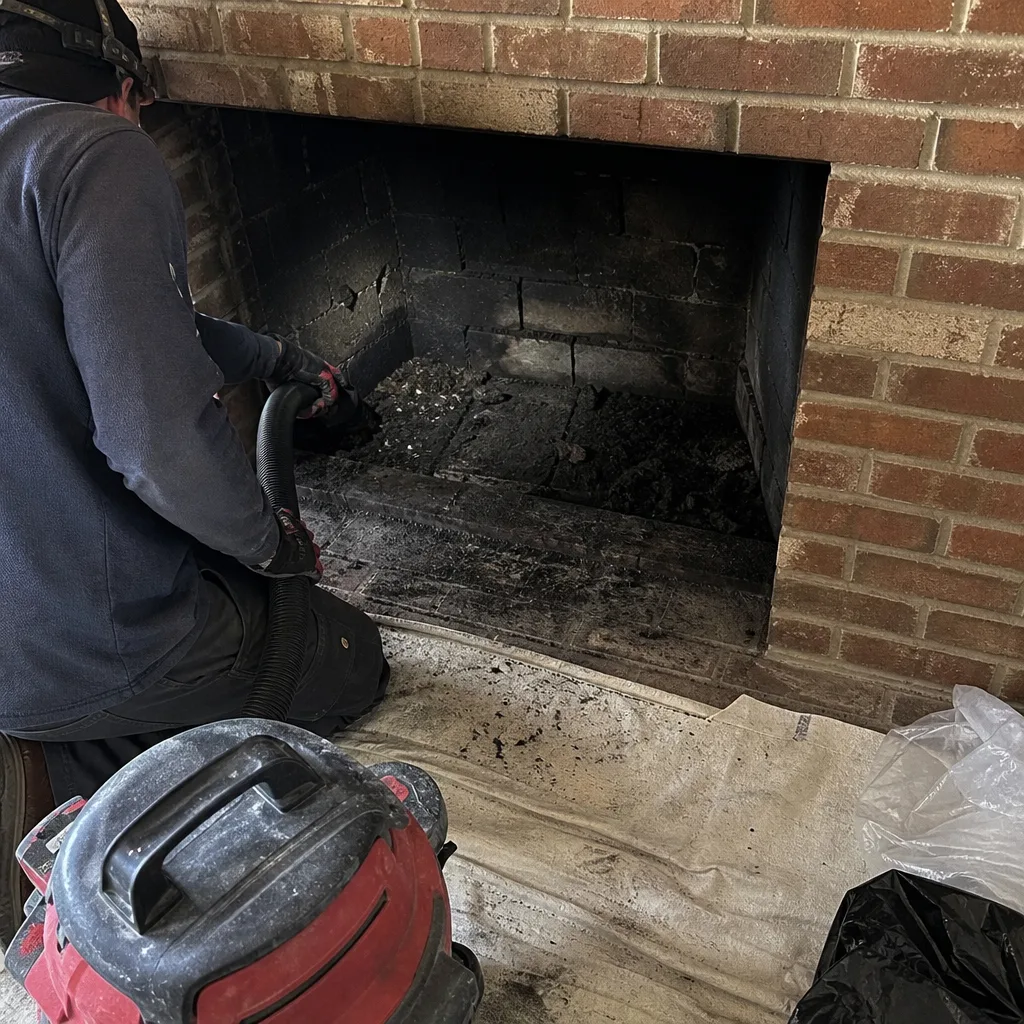
The sweep starts with a protection setup. The technician lays drop cloths around the hearth and runs a vacuum with a filter to keep dust out of the room. Then the flue gets brushed from the top down or bottom up depending on the chimney, with the brush sized to the flue shape. The soot and creosote that comes loose gets vacuumed out. If the flue is lined, the brush works against the liner surface; if it’s an older clay flue, the brush may reveal the actual condition of the tiles underneath.
Once the sweep is done, the inspection is the value. We look at the firebox, the damper, the smoke shelf, the flue tiles or liner, the crown, and the cap. A camera run shows the inside of the flue. From there, the decision logic kicks in: what’s safe to leave, what needs watching, and what needs repair before the next burn. In our experience, the majority of sweeps we do in Arvada come back clean or with minor issues, and a smaller number uncover something that’s worth fixing now. Either way, you get a photo report of what we found, and you get to see it with your own eyes rather than taking our word for it.
The result is a clear record for the season and a plain-language list of anything that needs attention. If a crown is failing, we handle it. If the flue has cracked tiles and the structure allows it, we can apply a HeatShield ceramic flue repair to resurface the flue without full relining, which is a non-invasive alternative to a new liner in the right circumstances. If the liner itself is damaged, we install DuraFlex liner systems. Cap and crown work uses products from Gelco, Famco, Olympia Chimney, and Copperfield, depending on what the repair calls for. The point is: inspect it and fix it, same crew, no referrals.
The service is free to estimate, and the price is set per job by a written estimate before any work begins. If you want to get ahead of the fall rush, call to book your sweep while the weather is warm.
How to Log and Date Your Findings
An undocumented check is only half a check. The most practical habit you can build from this guide is a simple maintenance log, kept on paper or in a phone note. It takes two minutes per check, and it pays off in three specific ways: it shows what’s changing over time, it gives you documentation if you ever file an insurance claim, and it’s a strong selling point when you eventually sell the home.
Here’s the system that works:
- Date every entry. Month and year are enough. “Sept 2025” tells you when you first saw the crown crack.
- Note the item and the pass/fail result. One line per checklist item. “Crown: hairline crack at flue, FAIL” is enough.
- Attach one photo per item. Take the photo from the same angle each time so you can compare year to year. Crown and mortar joints in particular change slowly and look identical without comparison photos.
- Record the repair action and date. If you had the crown repaired in October, write “Crown repaired Oct 2025.” If a professional replaced the cap, note that too. Over a few years, you’ll have a service history that complements the professional inspection report.
- Keep copies of the professional report with the log. Our inspections come with a photo report. Staple it next to your log entries so the professional findings sit alongside your own.
For insurance, a dated log with photos helps confirm that a loss wasn’t caused by a known, uncorrected problem. For a home sale, a documented maintenance record tells a buyer the chimney system has been looked after, which is a real plus in the Arvada market where older homes and their masonry chimneys are common. Some insurers ask for evidence of annual maintenance; the log is your evidence.
And if you ever switch to a different home or hand the log to a buyer, the record continues to be useful. That’s the value of a simple, dated system. It turns a moment-in-time inspection into a maintenance history.
Common Mistakes to Avoid
- Skipping the mid-season check. Heavy holiday burning can push a flue from stage 1 to stage 2 creosote in a single season. The January check is the only window before the buildup hardens into something harder to clear.
- Treating a visual check as a full inspection. A flashlight from the hearth catches maybe half of what a professional camera catches. If you only do the visual pass, you’re missing the flue tiles, the liner gaps, and the blockage at the top. Combine it with a professional inspection once a year.
- Ignoring a new crown crack. In Arvada, a crack that appears after a spring snowmelt is a warning, not a cosmetic issue. Water that gets in through the crown and freezes is what starts the slow erosion that costs real money to repair.
- Burning with a damaged cap. A missing or bent cap is the number one route water takes into a chimney. It’s also what lets birds and squirrels in. Check it every season and replace it if it’s compromised.
- Cleaning heavy creosote yourself. Stage 2 and stage 3 creosote are a fire hazard, and working with a scraper in a flue that’s already coated is genuinely dangerous. Leave anything beyond light soot to a professional sweep with the right tools.
- Not logging findings. A failed check without a date and a photo is just a memory. The log is what turns your observations into a real maintenance record, useful for insurance and for resale.
- Waiting until fall to book the sweep. In Arvada, the fall schedule fills fast. Spring and summer are the easiest time to schedule a sweep and any crown or cap repair, with plenty of drying time before the cold returns.
When to Call a Professional
Most of the checklist above is designed for you to run yourself. But there are specific scenarios where a professional visit is the right call, and the earlier you make it, the simpler the fix tends to be. Call if your January check finds glossy or gummy deposits in the flue, if you hear a roaring sound or see flames at the top of the chimney, if you notice smoke spilling back into the room when you burn, or if the draft has clearly weakened since fall. Also call if the post-season check turns up a new crown crack, a failing cap, a soft mortar joint, or visible spalling on the brick face. Cracks in the firebox brick and rust on the damper after the spring melt are reasons to book a professional look before the next heating season. Arvada Chimney Sweep Pros offers free estimates in Arvada. Call (877) 502-4468. We answer 24/7. Fast dispatch from 7am to 7pm, Sunday through Friday. Our technicians have up to 8 years of experience and handle the sweep, the inspection, and the repair as one service.
Frequently Asked Questions
A wood-burning chimney should be swept once a year, or more often if you burn heavily through the winter or notice a buildup of creosote when you check. Gas fireplaces need less frequent sweeping because they produce less creosote, but they still need an annual inspection. The safe default in Arvada is one professional sweep per heating season, ideally scheduled in spring or summer before the fall rush. Call (877) 502-4468 for an exact quote; estimates are free.
You can do most of the visual checklist yourself, including the crown, cap, exterior mortar joints, firebox, damper, and the draft test. What you can’t do reliably is see inside the upper flue, judge creosote stage, spot hairline cracks in flue tiles, or find a hidden blockage. Those need a camera inspection and the right tools. The complete system is your seasonal visual pass plus one professional camera inspection per year. Call (877) 502-4468 to book a professional inspection.
Skipping the check doesn’t cause an immediate problem, but it lets creosote build up unnoticed and lets a small crown crack or a failing cap get worse over a winter of freeze-thaw cycles. The result is usually a bigger repair bill later and a higher risk of a chimney fire if creosote reaches stage 3. The safe move is to do the seasonal checks and book a professional sweep once a year. Call (877) 502-4468 for an exact quote; estimates are free.
You can’t reliably tell from the firebox. Stage 1 is fluffy or flaky soot; stage 2 is a hard, brittle crust; stage 3 is a glazed, gummy coating. Only a professional with a camera and the right removal tools can confirm the stage and clear it safely. If your January check shows a glossy film or a dark stain at the top of the chimney, treat it as a professional matter. Call (877) 502-4468 for an exact quote; estimates are free.
It depends on the condition of the flue, which is why a camera inspection is the first step. When the flue tiles are cracked but structurally intact, a HeatShield ceramic flue repair can resurface the flue without full relining. When the liner is damaged or missing, a DuraFlex liner system is the more appropriate answer. We’ll recommend the option the inspection supports and show you the evidence. Call (877) 502-4468 for an exact quote; estimates are free.
Spring or summer is the easiest time to schedule a sweep and any crown, cap, or masonry repair. The weather is dry, the fireplace isn’t in use, and there’s plenty of time for new work to cure before the first cold snap. Fall is the busiest period, and booking early helps avoid delays. Call (877) 502-4468. We answer 24/7. Fast dispatch from 7am to 7pm, Sunday through Friday. A call outside dispatch hours is booked into the next opening, Sunday through Friday, 7am to 7pm.
The Bottom Line
A chimney maintenance checklist is only useful if it tells you what to do next, not just what to look at. Run the pre-season check in September, the mid-season creosote check in January, and the post-season moisture check in spring, and pass or fail each item with a clear rule. Do the visual checks yourself, keep a dated log with photos, and book one professional camera inspection per year for everything you can’t see. That combination catches crown and cap failures before they draw water in, catches creosote buildup before it hardens, and catches moisture intrusion before it reaches your mortar joints. Arvada’s cold snaps and spring snowmelt are hard on a chimney, but a routine this simple keeps the system safe and catches the small repairs before they become large ones.
Contact
If your seasonal check turns up something you’d rather not guess about, we can help. Arvada Chimney Sweep Pros handles the sweep, the inspection with a camera and photo report, fireplace and chimney repair, and cap and crown work as one service, from a single point of contact. Call (877) 502-4468 for a free estimate. We answer 24/7. Fast dispatch from 7am to 7pm, Sunday through Friday.
Written by the team at Arvada Chimney Sweep Pros.
See the difference
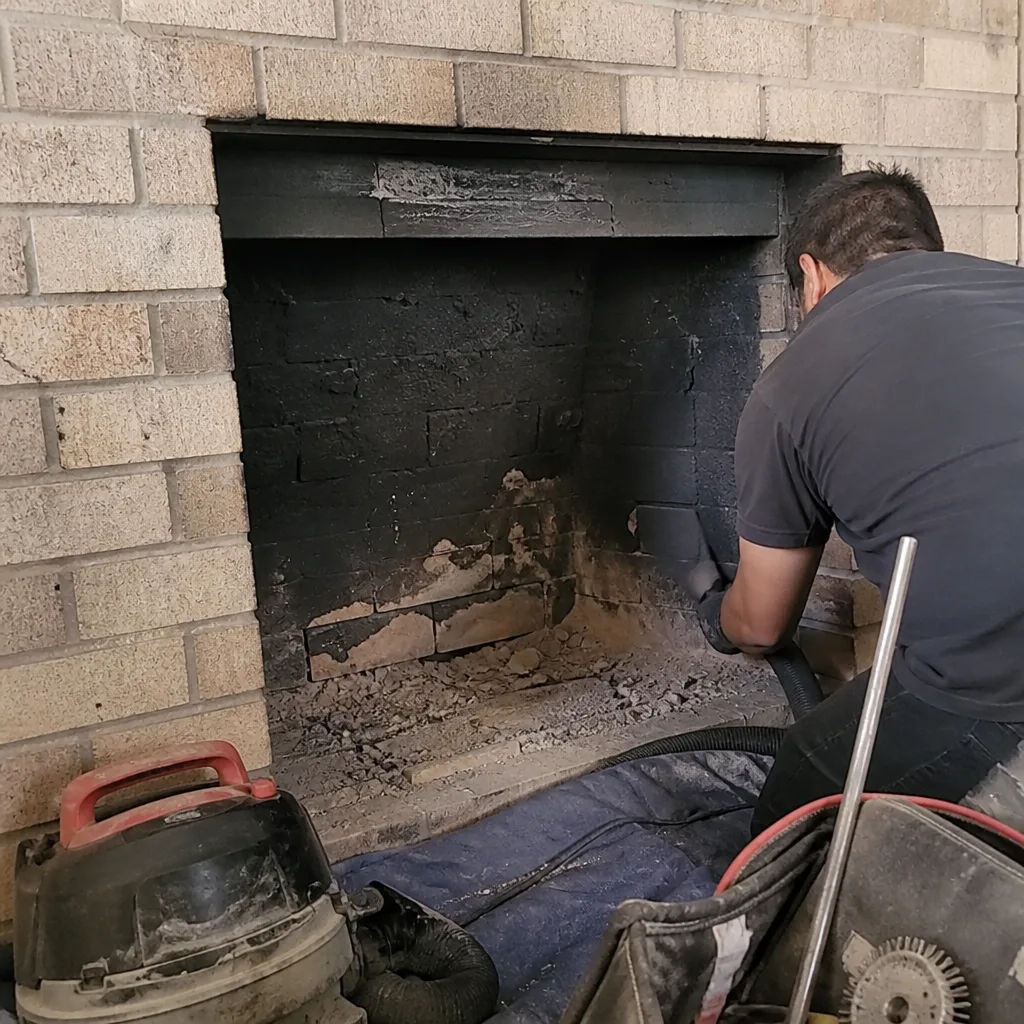 Before
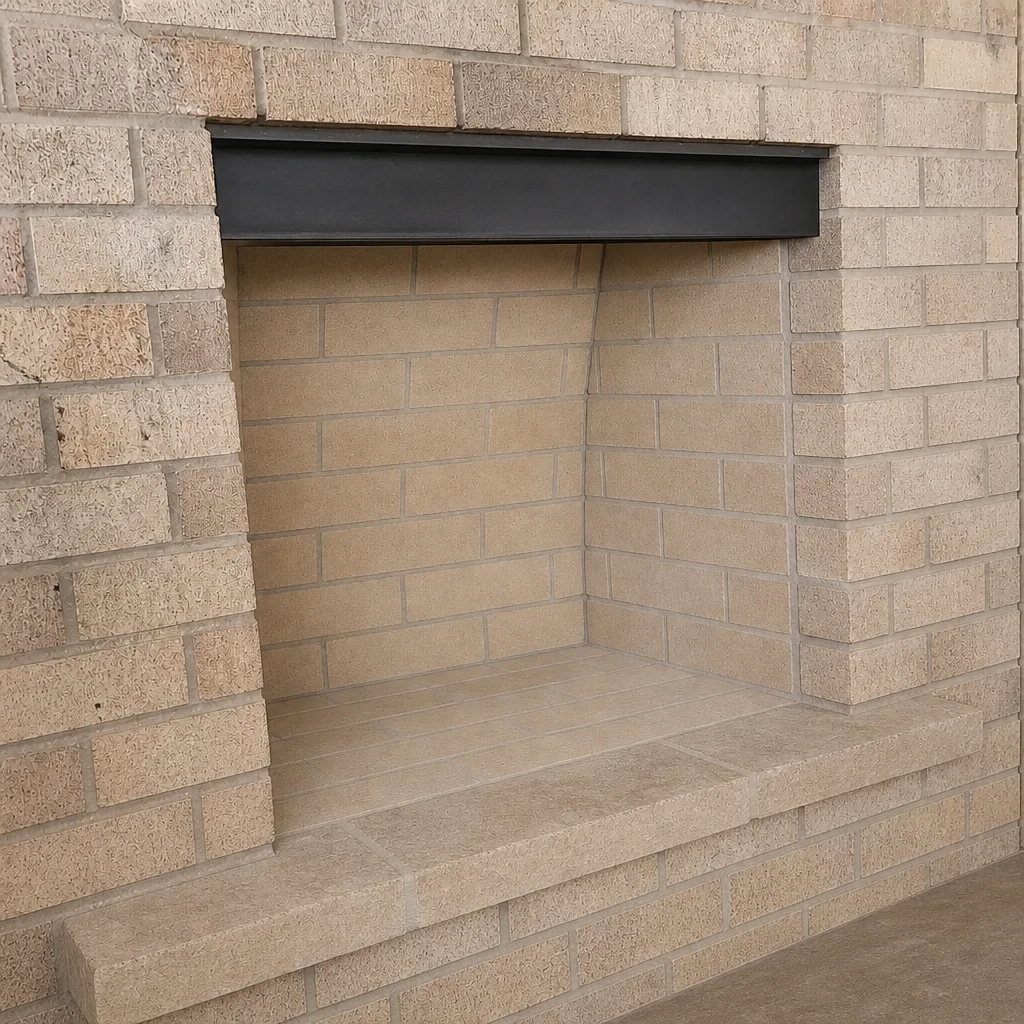 After
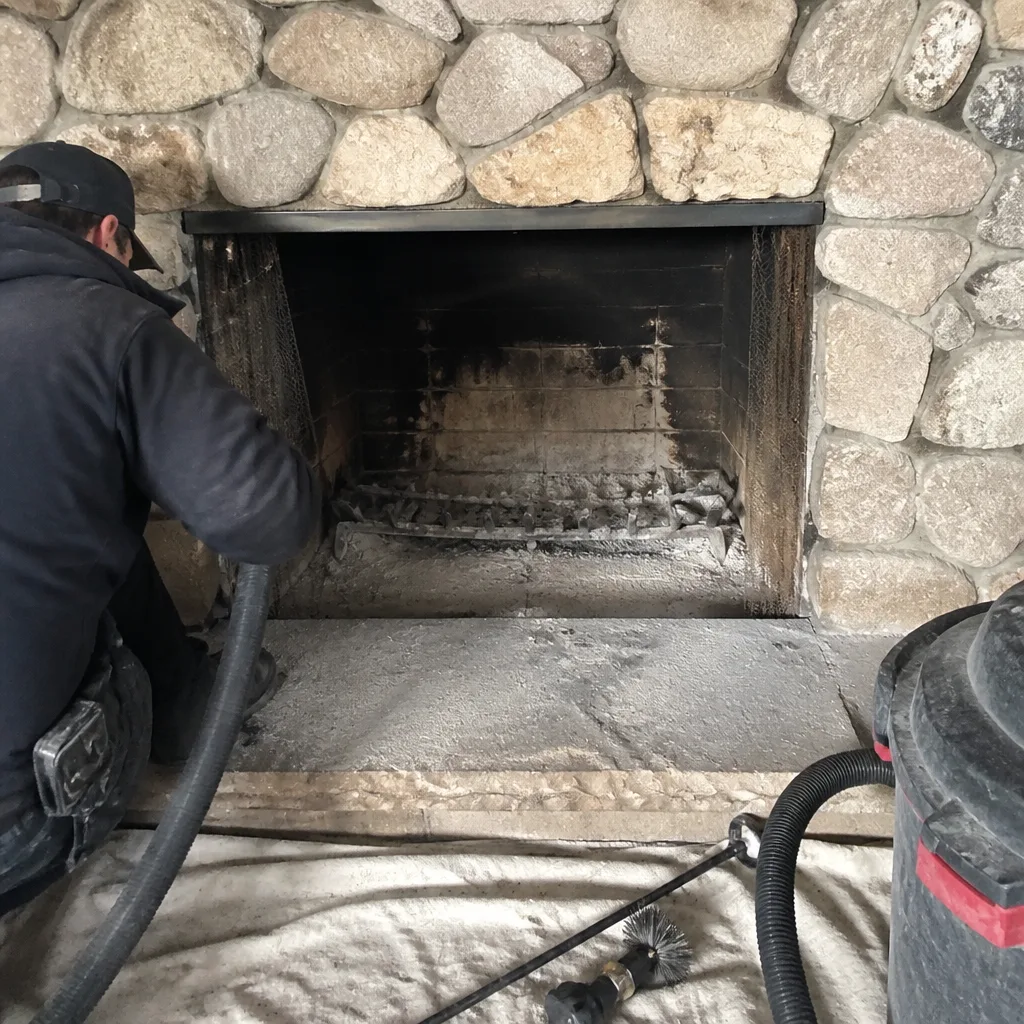 Before
 After
 Before
 After