
Last updated November 23, 2026
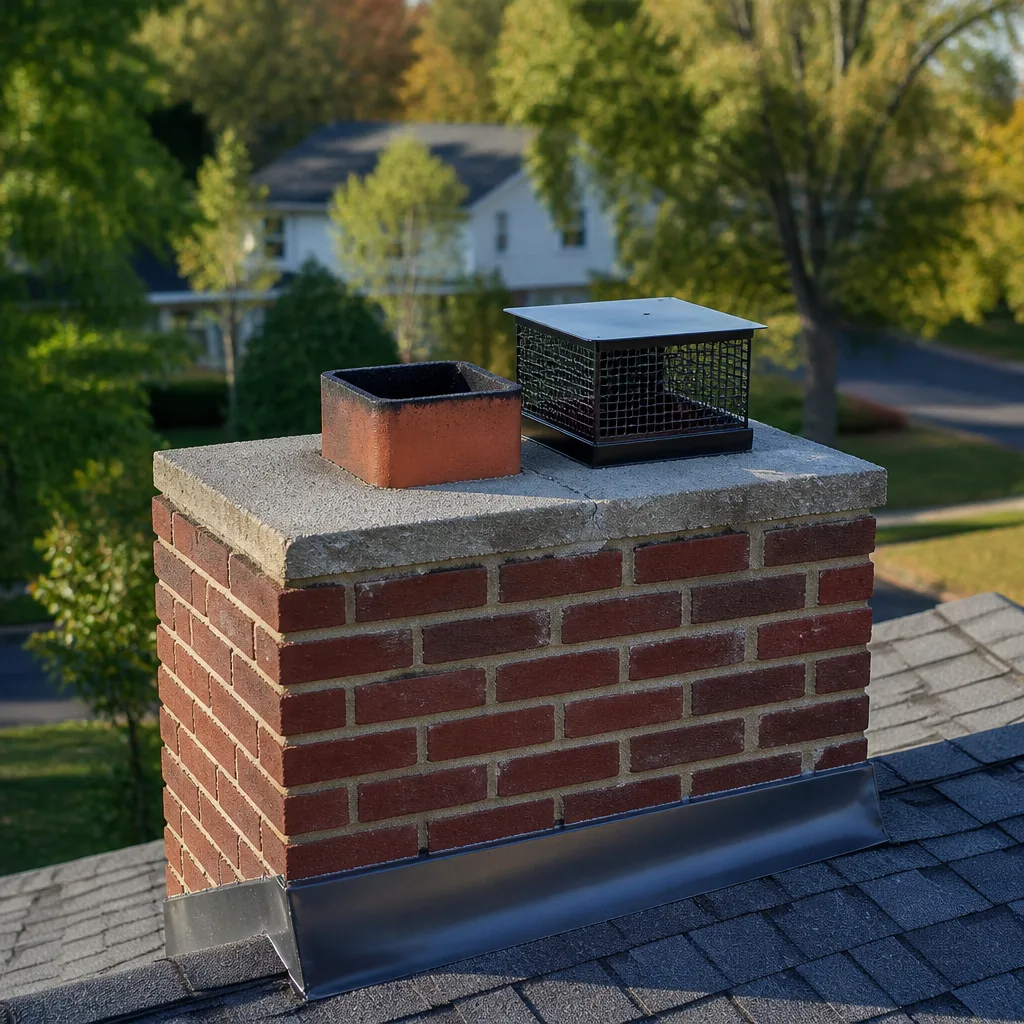 Sweep & inspection
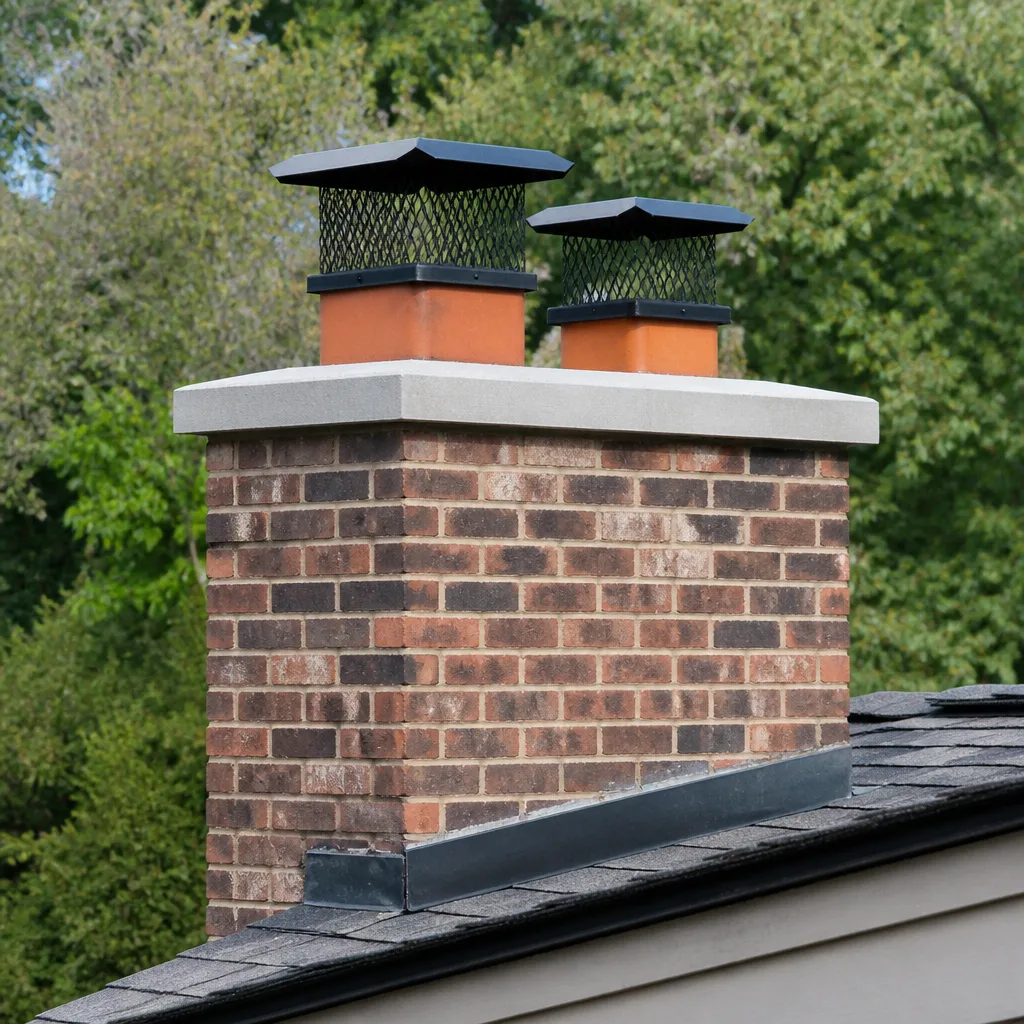 Caps & crowns
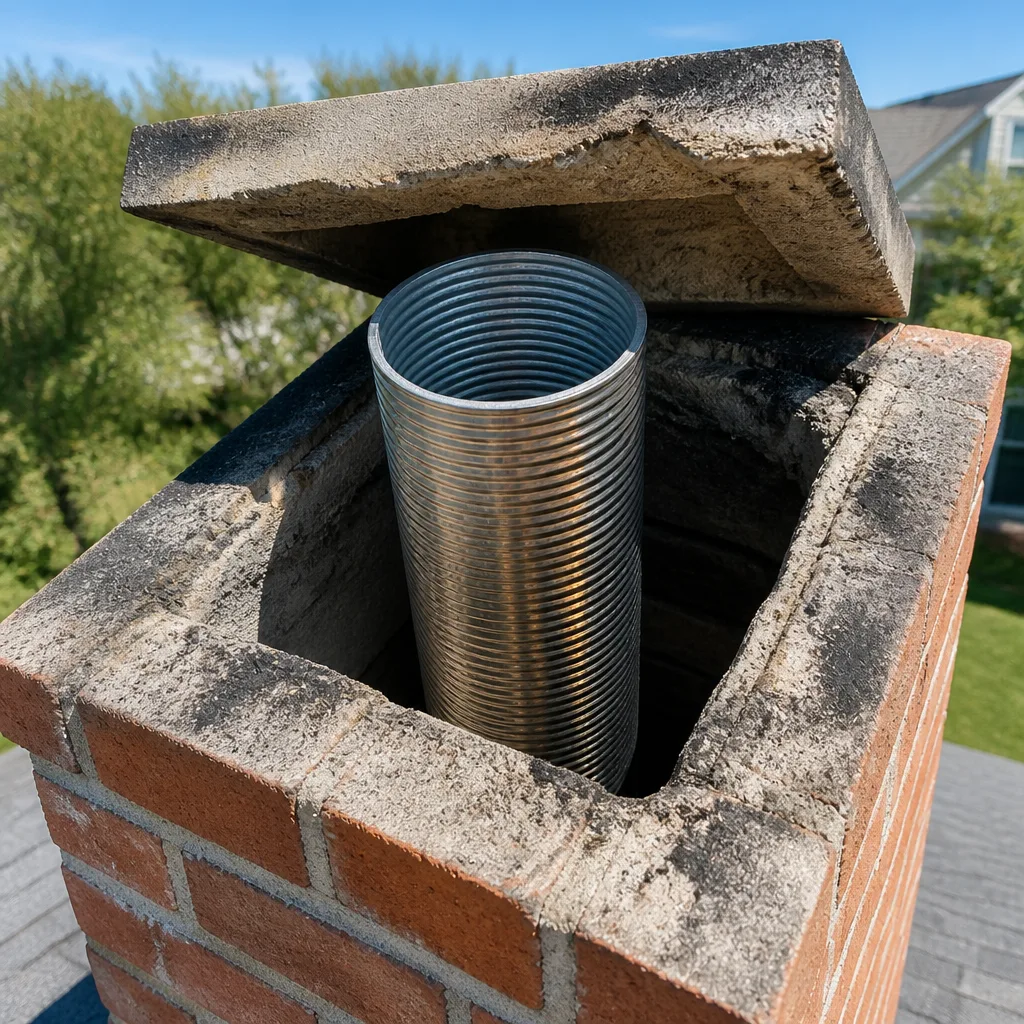 Flue relining
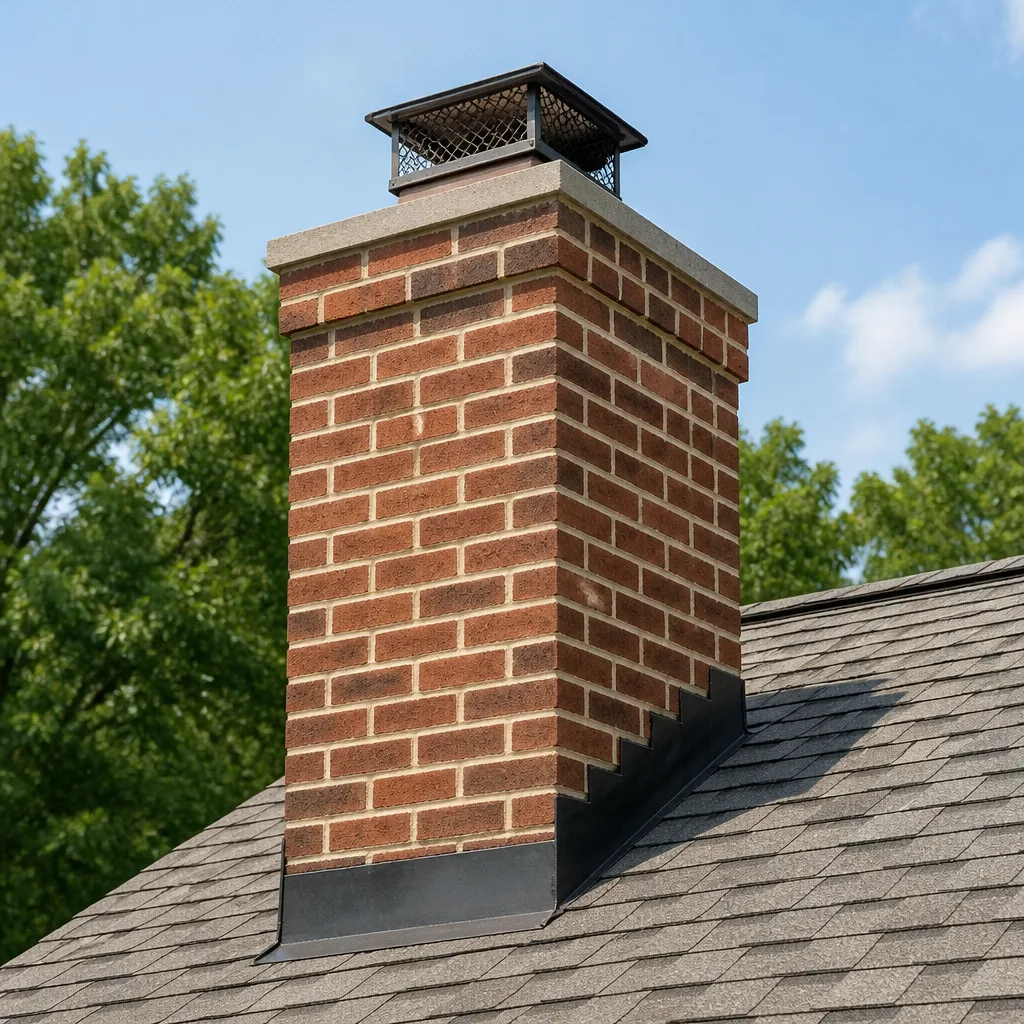 Masonry repair
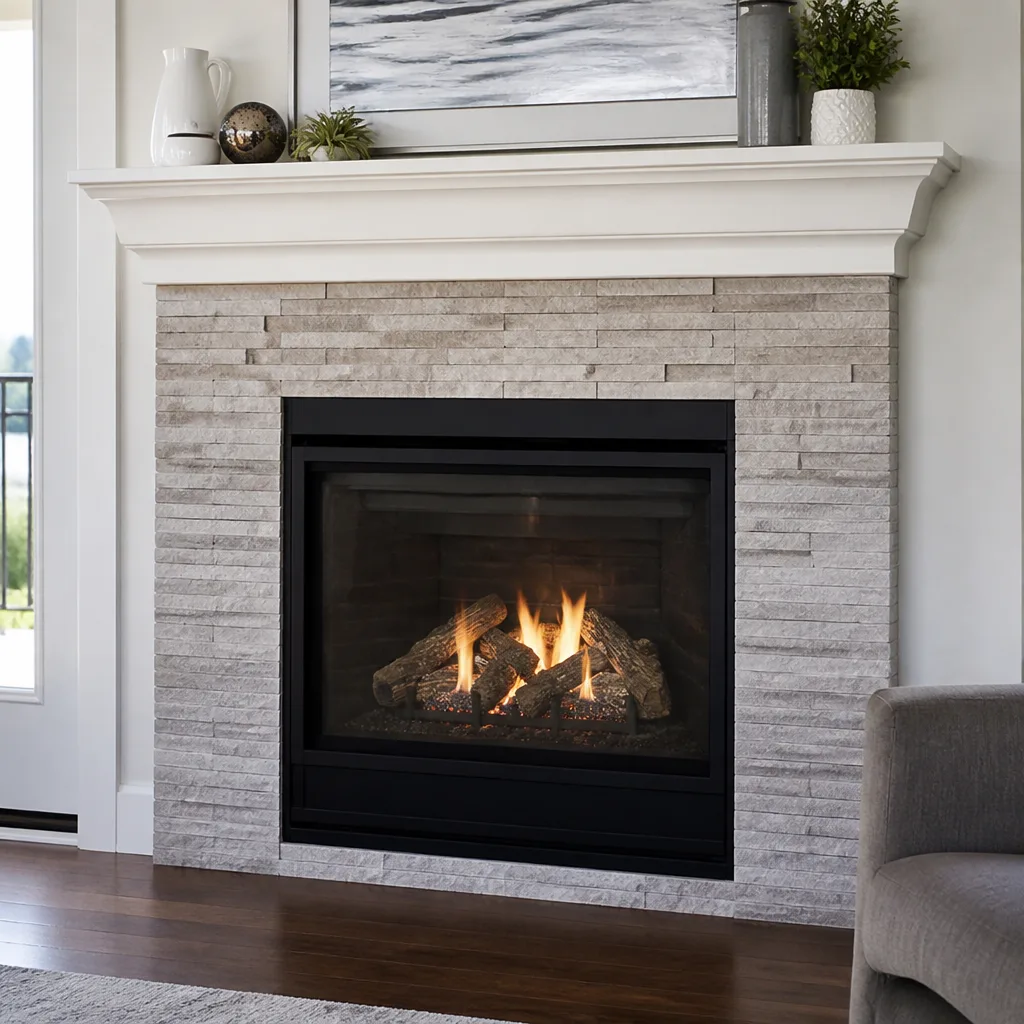 Gas fireplace service
Level 1 sweep and inspection to the NFPA 211 annual standard - flue, crown, cap, and flashing checked and photographed
Chimney sweep logs do not sweep chimneys. They loosen some creosote - which then falls where a brush and vacuum still have to collect it.
Chimney Sweep Maintenance Schedule: What to Do and When
The most common scheduling mistake we see in Arvada is the October sweep. Homeowners wait until the first cold snap is in the forecast, book a cleaning, and then discover a cracked flue tile or a rusted damper with no time to fix it before they want a fire. A single annual inspection date is a minimum insurance policy, not a maintenance schedule. What actually protects a chimney is a calendar that spreads work across the year: late-summer cleaning, spring moisture checks, mid-season usage triggers, and a clear line between what you can safely check yourself and what needs a certified sweep. This guide lays out that month-by-month framework for Arvada homes, wood-burning and gas alike.
Quick Answer
Book a chimney sweep and inspection in August, before burning season starts, so any findings can be repaired without rushing. Do a spring moisture and cap check after your last fire, watch for mid-season triggers like burning more than a cord of wood, and have the system inspected annually. Gas fireplaces follow a different rhythm than wood-burning ones and should be checked on their own schedule, not assumed to be maintenance-free.
Styles & brands we work with
- Sweep & inspection
- Caps & crowns
- Flue relining
- Masonry repair
- Gas fireplace service
Table of Contents
- Why August Beats October for a Chimney Sweep in Arvada
- The Spring Checklist: What to Do After the Last Fire
- Mid-Season Check Triggers: When to Call Before the Season Ends
- Gas Fireplace Maintenance Timing vs. Wood-Burning
- A Month-by-Month Chimney Calendar for Arvada Homes
- Tasks You Can Do Yourself vs. Tasks That Need a Certified Sweep
- How Arvada’s Climate and Housing Shape the Schedule
- What Happens When Inspection Finds a Problem
Why August Beats October for a Chimney Sweep in Arvada
An August sweep gives you something an October sweep cannot: time. When we clean and inspect a chimney in late summer, any finding – a cracked crown, a deteriorated flue liner, a cap that’s pulled loose – gets repaired in September or early October, well before the first sustained cold. When the same problems turn up in October, the homeowner is choosing between rushing a repair and burning in a system that isn’t ready. That’s a bad choice to have to make.
There’s a practical side too. Late summer is a slower stretch for chimney work in Arvada, which means scheduling is easier and there’s room to do a proper inspection rather than a quick pass. The sweep itself is the same job whenever it happens, but the calendar around it is what makes August the better call. If you want the cleaning done right and the findings acted on, see our chimney sweep page for what a full cleaning covers.
Think of the timing this way:
- August: Clean and inspect. Identify any issues while there’s no pressure to burn.
- September: Repair window. Crown work, cap replacement, liner decisions, flue resurfacing all happen here without a deadline.
- October: First fires. System is ready and you’re not scrambling.
- November through March: Burning season. Monitor for mid-season triggers.
For Arvada households that burn regularly, an August appointment also means the sweep reflects the full prior season’s creosote load. You’re cleaning off what actually accumulated, not a partial season’s worth. That’s the inspection that tells you the truth about your flue.
The Spring Checklist: What to Do After the Last Fire
Spring is when moisture damage takes hold, and it’s the part of the schedule most homeowners skip. After your last fire of the season, the chimney sits unused for months while Arvada’s spring snowmelt and afternoon thunderstorms do their work on brick, mortar, and metal. A chimney that stayed dry all winter can develop staining or spalling by June if the crown is cracked or the cap is missing. That’s why spring is a checkup, not a cleaning.
Here’s what to look at once the burning season ends:
- Damper check. Open and close the damper by hand. It should move freely and seat fully. A damper that sticks open or won’t close lets conditioned air escape all summer and invites moisture and pests in.
- Moisture inspection from the ground. Look at the exterior of the chimney for white chalky staining, flaking brick faces, or dark streaks. Those are signs water is getting in somewhere.
- Cap and crown visual from the ground. A chimney cap should be intact, screened, and sitting square. The crown – the concrete slab on top – should have no visible cracks. A missing or damaged cap is the most common source of water intrusion we find.
- Firebox and hearth check. Look for cracked firebrick, loose mortar joints, or rusted metal. These are the kinds of deterioration that a fireplace repair visit addresses before the next season.
Anything you can’t see clearly with binoculars from the ground, leave alone. Getting on a roof to inspect a chimney is a fall risk and a job for someone with the right equipment. If the spring walk-around shows staining or a damaged crown, that’s the moment to book, not October.
Mid-Season Check Triggers: When to Call Before the Season Ends
Annual service is the baseline, but heavy use changes the math. Creosote accumulates faster than a once-a-year sweep accounts for when you’re burning a lot of wood, and the buildup is what reduces draft and raises chimney fire risk. Rather than guess, use specific thresholds to decide when an extra look is warranted.
Book an additional inspection mid-season if any of these apply:
- You’ve burned more than a cord of wood since the last sweep.
- You notice a strong, sharp creosote smell in the room, especially on warmer days.
- Smoke rolls into the room when you open the damper or reload the fire.
- The fire struggles to draw, or draft feels weaker than it did in early winter.
- You see dark, shiny, or glazed deposits when you look up the flue.
- You’ve had a chimney fire – even a small one you think went out on its own.
That last one matters most. A chimney fire can damage a flue liner in ways you can’t see from the firebox, and continuing to burn on a damaged liner is the risk you don’t want to take. If you suspect a fire occurred, stop using the fireplace and get it inspected before the next burn.
The mid-season threshold approach also helps you avoid unnecessary service. If you’ve burned a face cord and the draft is strong and the firebox is clean, you can keep burning and wait for the scheduled visit. The trigger list is there to tell you when “wait” stops being the safe answer.
Gas Fireplace Maintenance Timing vs. Wood-Burning
Gas fireplaces don’t produce creosote the way wood does, so they don’t follow the same sweep rhythm – but they aren’t maintenance-free, and treating them as if they are is a mistake. A gas fireplace has its own components that degrade: the burner, the logs or media, the pilot assembly, the glass, and the venting. Those need checking on their own schedule, and the timing differs from a wood-burning chimney in a way most generic guides don’t explain.
Here’s the practical difference:
- Wood-burning: Clean and inspect before the burning season, because creosote accumulates with every fire and the sweep is the safety step. Mid-season triggers matter because buildup is continuous while you burn.
- Gas: The cleaning is about dust, debris, and insect nests in the venting and around the burner, not creosote. Timing is tied to use and to the annual check of the vent and the firebox condition, and it’s often worth doing before the first cold-weather stretch so any component issue shows up early.
The key point: a gas fireplace still needs an annual inspection of the venting and the appliance, and the check should confirm the vent is clear and the components are sound. It should never be treated as “set it and forget it” because there’s no wood and no soot. Carbon monoxide risk is real with gas appliances too, so the inspection isn’t optional.
For homeowners with both a wood fireplace and a gas insert elsewhere in the house, the schedules run in parallel. Book the wood side in August and let the gas side get its own visit. One company handling both keeps the findings together, which is why we handle gas and wood under the same roof rather than handing you off. Our Arvada Chimney Sweep Pros team covers the whole system, from firebox to cap.
A Month-by-Month Chimney Calendar for Arvada Homes
This is the framework to print and stick on the fridge. It separates what you can safely do yourself from what belongs to a certified sweep, and it’s built around Arvada’s seasons – a long, dry fall, a cold winter with occasional heavy snow, and a spring melt that finds every crack in a crown.
| Month | Owner Task | Professional Task |
|---|---|---|
| January | Monitor draft and smoke behavior; note any changes. | None scheduled unless a mid-season trigger applies. |
| February | Same as January; watch creosote smell on warm days. | Mid-season inspection if you’ve burned more than a cord. |
| March | Final fires; note any issues for the spring check. | None scheduled; call if you suspect a chimney fire occurred. |
| April | Damper check, firebox visual, ground-level moisture look. | Spring inspection if staining or a damaged crown is visible. |
| May | Exterior visual from the ground after snowmelt. | Cap and crown check – book if anything looks off. |
| June | Confirm the cap is intact and screened. | Repair window for crown, cap, and fireplace issues. |
| July | None – a good month to schedule ahead. | Book the August sweep; scheduling is open. |
| August | Clear the firebox of ash before the appointment. | Annual sweep and full inspection – the core visit. |
| September | Review the inspection report; decide on repairs. | Complete any recommended repair before heating season. |
| October | First fires; confirm draft and damper operation. | None – repairs should be finished by now. |
| November | Begin tracking wood burned for the season. | None scheduled. |
| December | Mid-season visual; watch for smoke roll-in. | Extra inspection if a usage trigger is met. |
The calendar is a guide, not a rigid rule. If your spring walk-around finds nothing and your winter burning stays light, you may not need every professional visit listed. If your chimney is older or you burn hard, you may need more. The value is in having a framework to check against rather than defaulting to “I’ll call someone when it smells.”
Tasks You Can Do Yourself vs. Tasks That Need a Certified Sweep
Some chimney care is ordinary home maintenance. Some of it involves height, fire, or components you can’t safely judge without training. Drawing that line clearly is the difference between a well-maintained chimney and a dangerous one, so here’s where we’d put each task.
Safe owner tasks
- Opening and closing the damper by hand to confirm it moves freely.
- Looking at the exterior of the chimney from the ground for staining, spalling, or cracks in the crown.
- Confirming the cap is present, intact, and screened.
- Clearing ash from the firebox and keeping the hearth clear.
- Tracking how much wood you burn so you know when a mid-season check is due.
- Booking the annual sweep and inspection before the season.
Tasks for a trained professional
- Cleaning the flue – the sweep itself. This removes creosote and requires the right brushes and a clear look up the full length of the flue.
- Any work on the roof – inspecting the cap and crown up close, replacing a cap, or repairing crown cracks.
- Inspecting the flue liner for cracks, gaps, or deterioration.
- Repairing firebox or masonry damage.
- Resurfacing a flue or replacing a liner.
Roof work and liner work are not DIY territory. A fall from a roof is a serious injury, and a liner problem that isn’t caught is a fire and carbon monoxide risk. We’d rather you call than climb. If any owner task turns up something that looks wrong, that’s when the professional visit gets scheduled.
How Arvada’s Climate and Housing Shape the Schedule
Chimney care in Arvada isn’t the same as chimney care somewhere wetter or somewhere with milder winters. The local freeze-thaw cycle is the biggest factor. Water gets into a hairline crack in the crown or mortar, freezes overnight, expands, and widens the crack. Repeat that over a winter and a small crack becomes a spalling brick face by spring. That’s why our spring and summer checks focus so hard on moisture and the crown – it’s the local failure mode.
The other factor is the housing stock. Arvada has a wide mix of homes, from mid-century ranches to newer construction, and the chimney systems age differently. Older masonry chimneys show their wear in mortar joints and crowns; newer homes can have issues hidden behind a clean exterior. Either way, the visible surface only tells you so much. An inspection that goes up the flue is what confirms the liner is sound regardless of the home’s age.
Fall in Arvada can stay warm well into October, which is part of why the October sweep is such an easy trap. The first fire feels far away, then suddenly it’s cold and the chimney that was skipped in August is the one you’re counting on. Building the schedule around the local season – late summer for cleaning, spring for moisture, fall for the first fires – is how you stay ahead of it.
When a chimney does need structural attention, we handle the full range of chimney repair, including caps and crowns built with products specified for durability and proper fit, like Gelco and Famco components. That matters in a climate that works on masonry every winter.
What Happens When Inspection Finds a Problem
The point of a scheduled inspection is to find problems while they’re still small, and the August timing exists to give those findings room to be fixed. What we find most often is not a liner that needs full replacement, but a deteriorated flue that can be resurfaced. HeatShield ceramic flue repair is a non-invasive way to restore a flue’s interior when the structure is still sound – it’s a real alternative to pulling the whole liner, and it’s a capability that separates a full chimney specialist from a sweep-only outfit.
When a liner does need replacing, we work with DuraFlex liner systems and Olympia Chimney components – professional-grade materials rather than generic substitutes. The reason to use those brands isn’t a slogan; it’s that they’re the products specified by certified chimney professionals, and a liner is only as good as the material it’s made from. Patching a flue with inferior parts is how a fix turns into a callback.
What makes the schedule work end to end is having one company see the problem and fix it. When a sweep and an inspection turn up a cracked crown or a damaged flue, the findings don’t sit waiting for a second contractor to be booked. We inspect it and fix it – same crew, no referrals. From cap to firebox, we service the whole system, and our technicians have up to 8 years of experience with the materials and the local conditions. That single point of contact is what keeps a September repair from sliding into November.
Common Mistakes to Avoid
- Waiting for October. Booking a sweep right before the first fire leaves no window to fix what the inspection finds. August gives you the September repair window that Arvada winters demand.
- Skipping the spring moisture check. A crown crack that’s caught in April is a small repair. The same crack in June, after a freeze-thaw cycle, is a bigger one. Spring is when water damage sets in here.
- Assuming a gas fireplace needs no maintenance. No creosote doesn’t mean no inspection. The venting and components still need an annual check, and carbon monoxide is a real concern with gas appliances.
- Ignoring the mid-season usage triggers. Burning more than a cord without an extra look lets creosote build to a level a once-a-year sweep doesn’t account for. Watch the smell and the draft.
- Treating a chimney fire as a non-event. A small fire can crack a liner where you can’t see it. If you think one happened, stop burning and get it inspected.
- Climbing on the roof to check the cap yourself. The cap and crown are best judged up close, but that’s a professional’s job. A fall risk isn’t worth saving a service call.
- Patching with generic materials. A cap or liner installed with underspecified parts fails faster in Arvada’s freeze-thaw climate. Use the brands professionals specify.
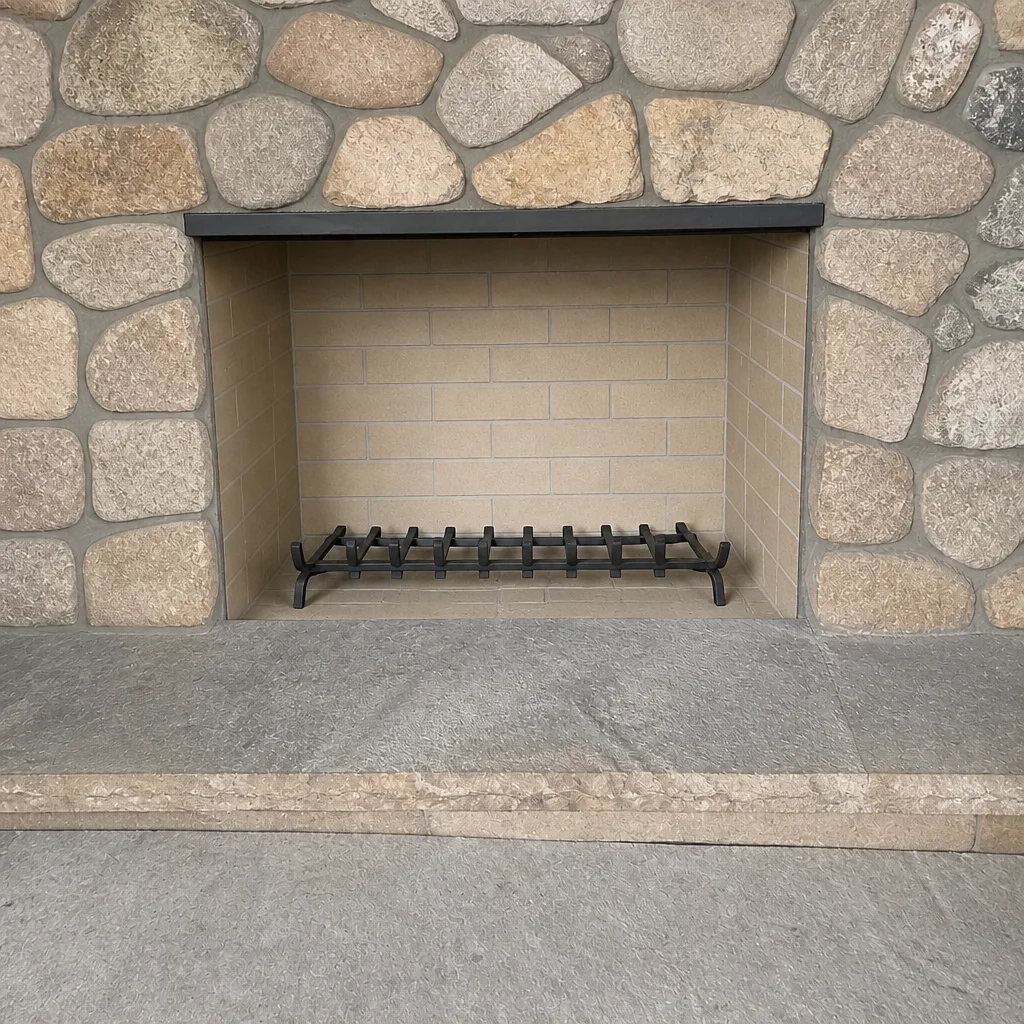
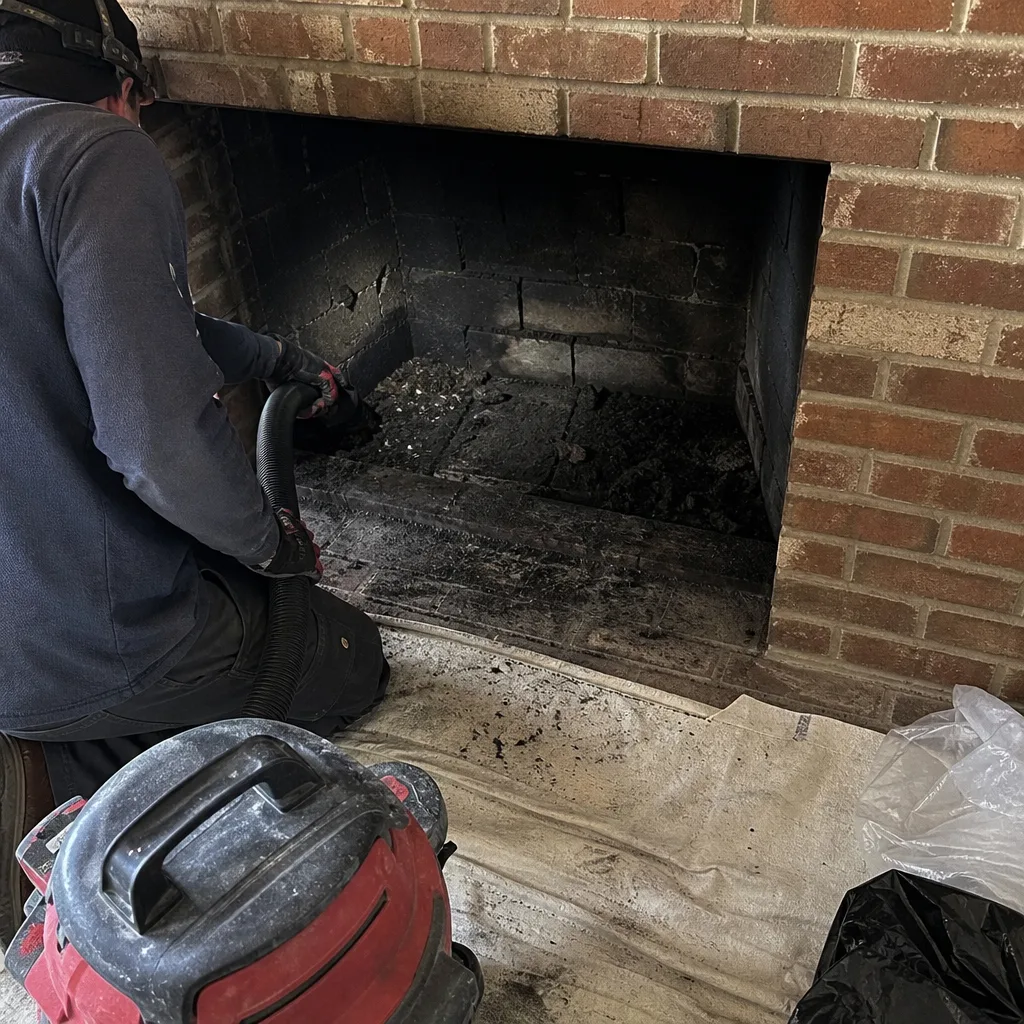
See the difference
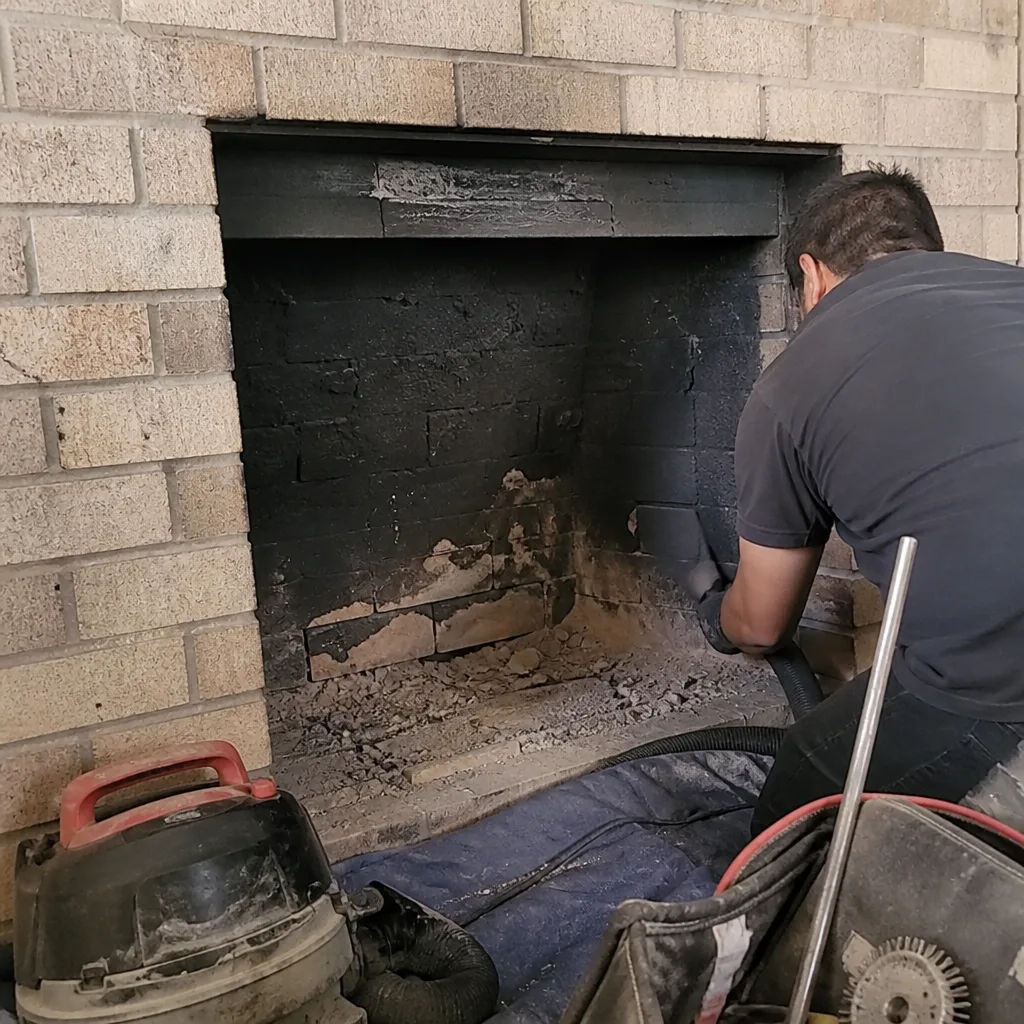 Before
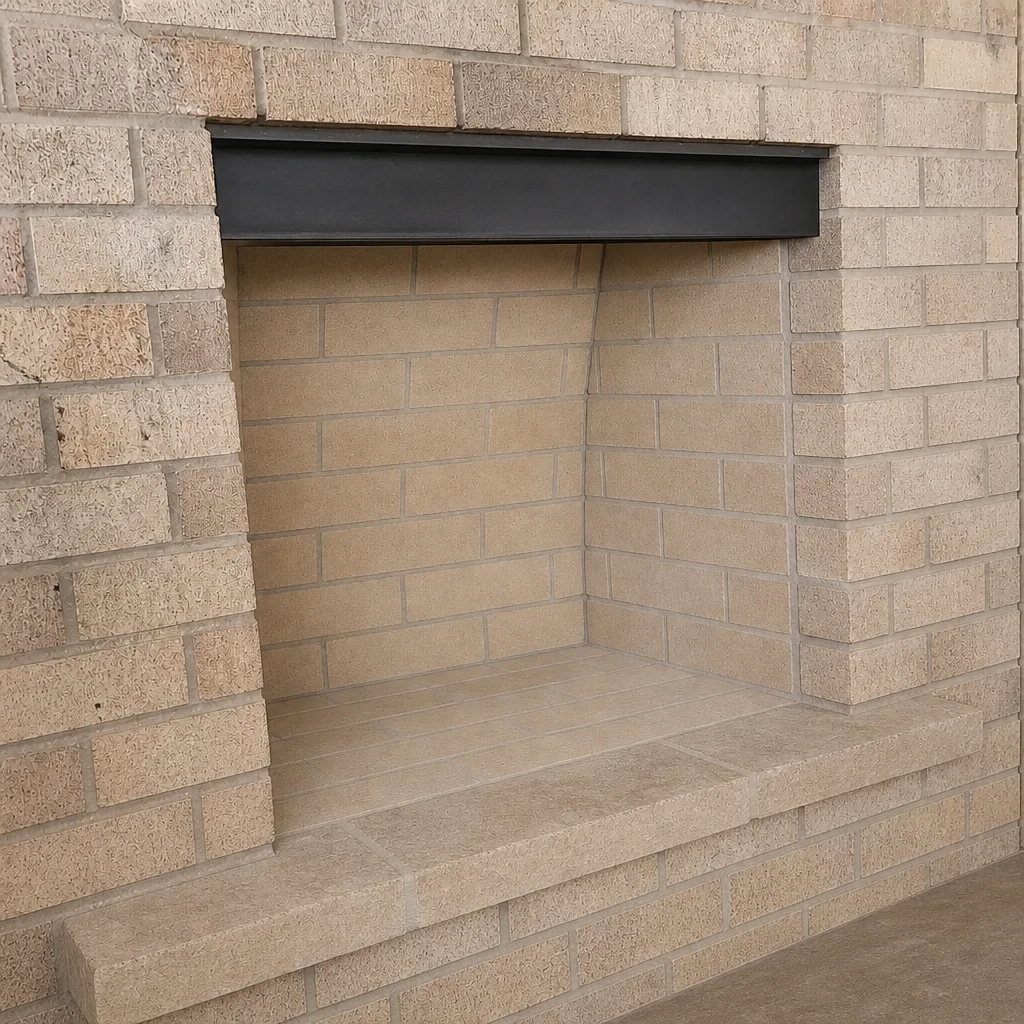 After
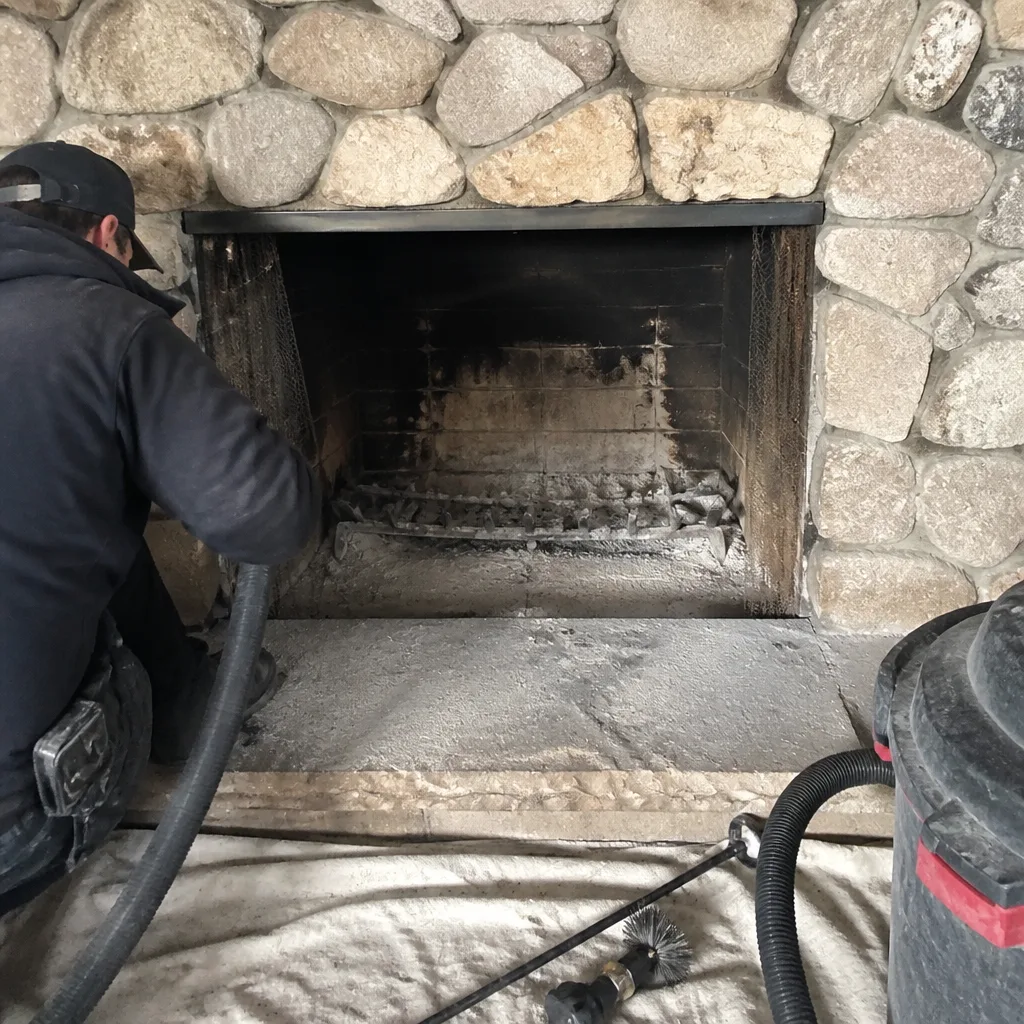 Before
 After
 Before
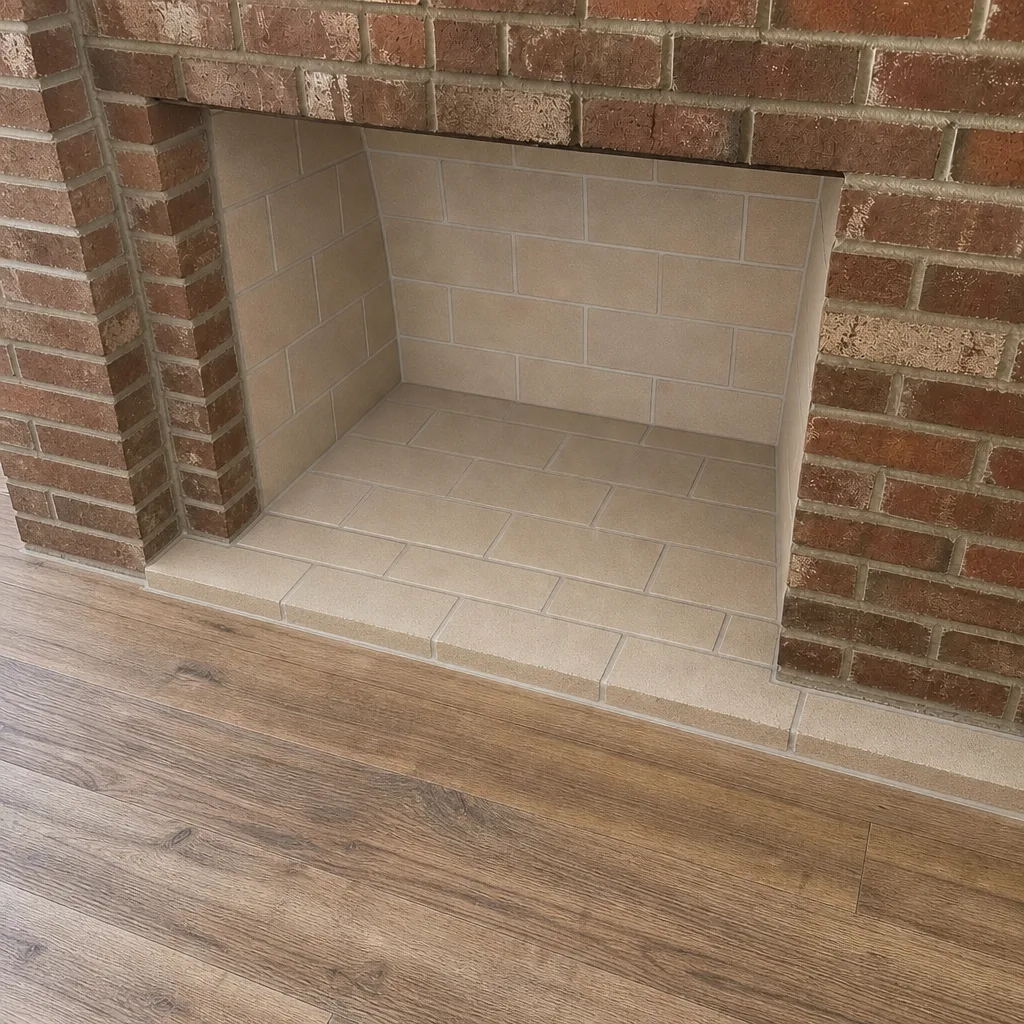 After
When to Call a Professional
Call us when any of these apply, and don’t wait for the calendar to catch up. You’ve burned more than a cord and the draft has weakened, or you smell creosote on warm days. Smoke rolls into the room when you open the damper. You see staining, spalling, or a cracked crown from the ground. You suspect a chimney fire happened, even a small one. Your last inspection was more than a year ago. Or you simply want the system evaluated before the season rather than swept and hoped over. Arvada Chimney Sweep Pros offers free estimates in Arvada – call (877) 502-4468. We answer 24/7. Fast dispatch from 7am to 7pm, Sunday through Friday.
Frequently Asked Questions
Schedule it in August, before burning season starts. That timing gives any inspection findings a full repair window in September before the first cold snap, which an October sweep doesn’t allow. Call (877) 502-4468 for an exact quote – estimates are free.
Once a year is the baseline for a wood-burning chimney, plus an extra inspection if you burn more than a cord of wood or notice draft problems mid-season. Gas fireplaces need an annual inspection of the venting and components even though they produce no creosote. Call (877) 502-4468 to book the annual visit.
Creosote builds up, draft weakens, and the risk of a chimney fire rises, while moisture quietly damages the crown and masonry between seasons. A skipped year can turn a small repair into a structural one, especially through Arvada’s freeze-thaw winters. Call (877) 502-4468 for a free estimate before the season.
No. A gas fireplace follows a different rhythm than wood-burning because there’s no creosote, but it still needs an annual inspection of the venting and components. Don’t treat it as maintenance-free – carbon monoxide risk is real with gas. Call (877) 502-4468 for an estimate.
Yes, for the safe tasks: damper operation, a ground-level look at the cap and crown, exterior staining, and clearing ash. Flue cleaning, roof work, and liner inspection belong to a certified sweep. Call (877) 502-4468 if anything you see looks wrong.
A sweep and inspection is priced per job by a written estimate, so the exact figure depends on your chimney and what the inspection finds. The estimate is free, and we set the price before any work begins. Call (877) 502-4468 for an exact quote.
The Bottom Line
A real chimney maintenance schedule is a calendar, not a single date. Clean and inspect in August so September can fix what’s found. Do the spring moisture and cap check after the last fire, because Arvada’s freeze-thaw cycle turns small cracks into big ones. Watch the mid-season triggers – a cord of wood, a weakened draft, a creosote smell – and treat gas fireplaces on their own schedule rather than assuming they need nothing. Know which tasks are yours and which need a certified sweep. When inspection finds a problem, having one company handle the sweep, the cap, and the repair keeps the fix on schedule instead of sliding into winter.
Ready to build the schedule around your chimney? Call (877) 502-4468 for a free estimate. We answer 24/7. Fast dispatch from 7am to 7pm, Sunday through Friday. From cap to firebox, we service the whole system – inspection and repair under one roof, with professional-grade materials like DuraFlex and HeatShield when the job calls for them.
Written by the team at Arvada Chimney Sweep Pros.