
Last updated November 23, 2026
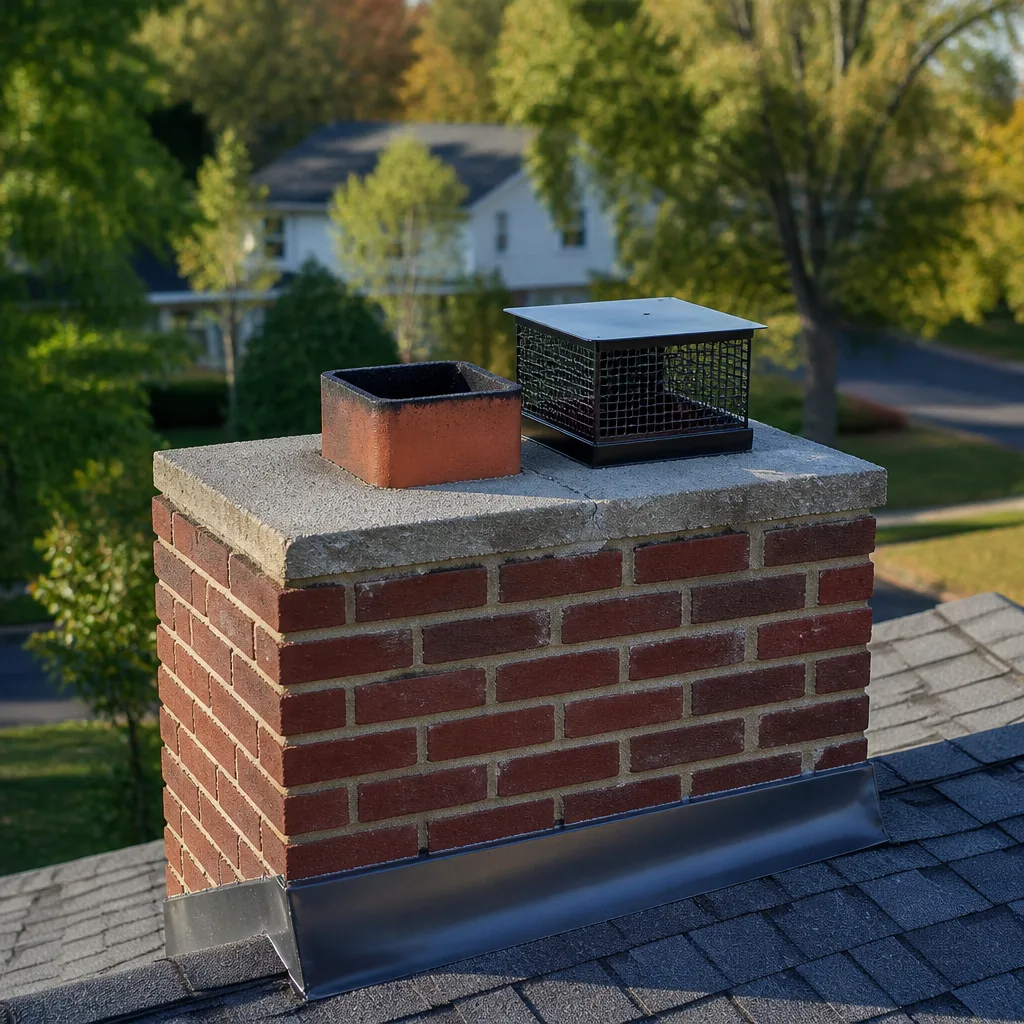 Sweep & inspection
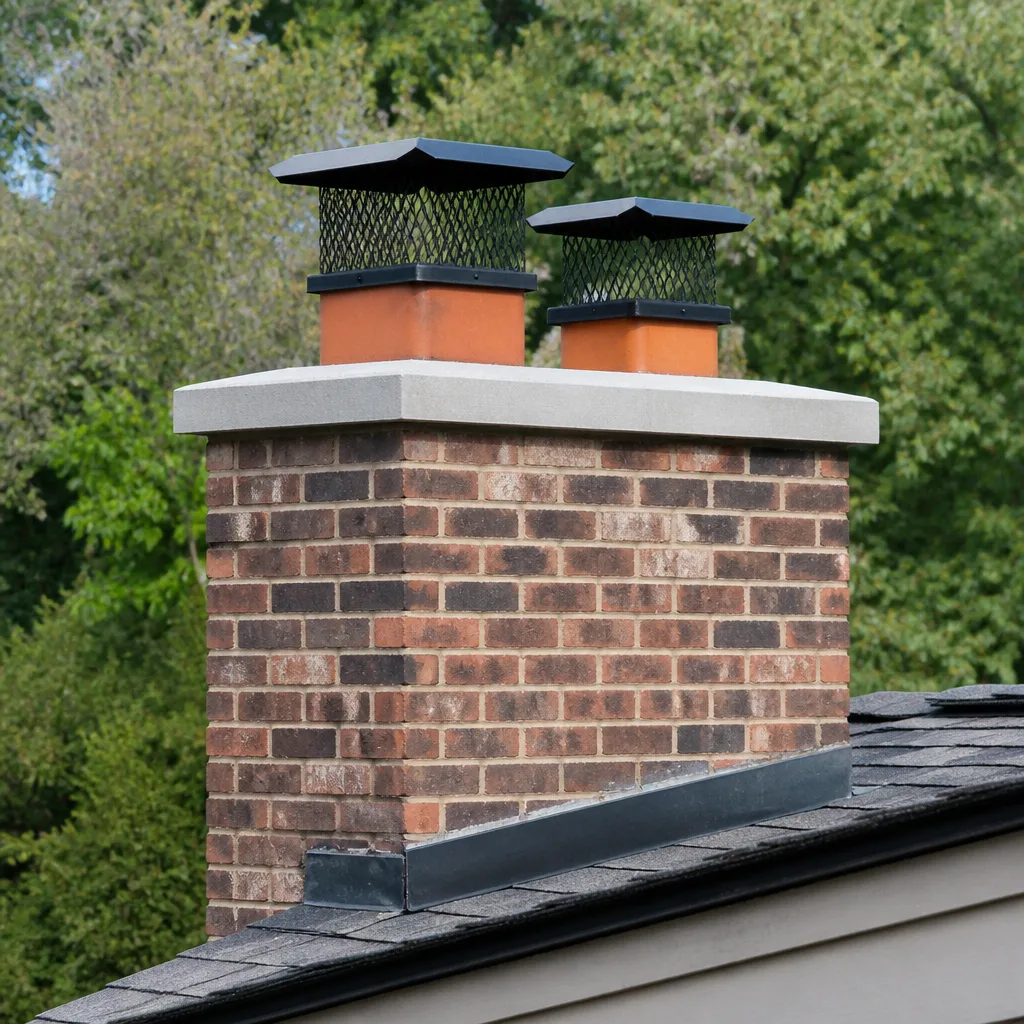 Caps & crowns
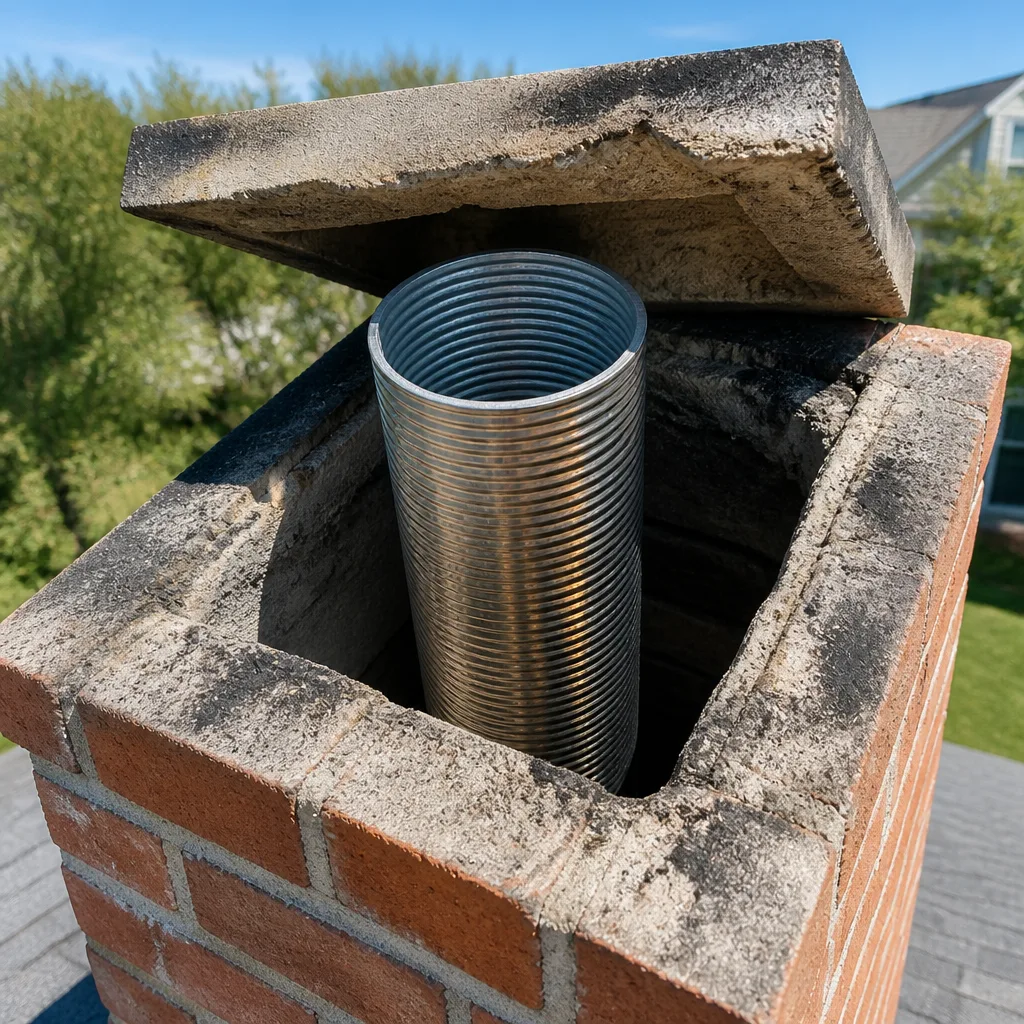 Flue relining
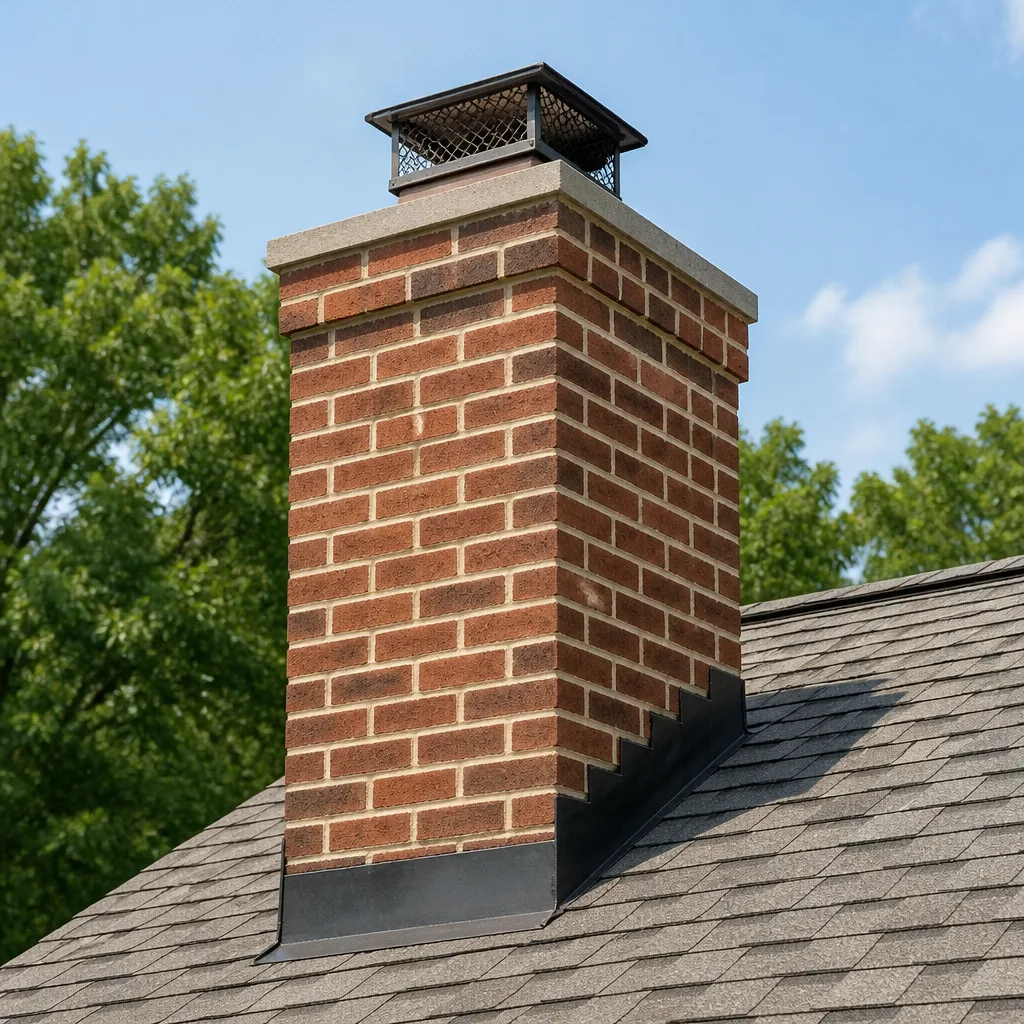 Masonry repair
 Gas fireplace service
Level 1 sweep and inspection to the NFPA 211 annual standard - flue, crown, cap, and flashing checked and photographed
Chimney sweep logs do not sweep chimneys. They loosen some creosote - which then falls where a brush and vacuum still have to collect it.
Chimney Sweep Troubleshooting in Arvada: Common Problems and How to Fix Them
If your fireplace smokes into the room, the instinct is to blame creosote. But a blocked damper, negative house pressure, or a cold flue liner is responsible far more often than a dirty chimney. That matters, because the fix for each is different, and applying the wrong one wastes money and can make the next problem worse. Most troubleshooting guides skip the diagnostic logic entirely and jump straight to “call a sweep.” This one doesn’t. We walk you through the same symptom-to-cause reasoning a trained sweep uses on the job in Arvada, so you can describe what’s happening accurately, rule out the easy stuff yourself, and know when a repair is genuinely required.
Quick Answer
Smoke coming into an Arvada home is most often caused by a blocked or partly closed damper, a flue that’s too cold to establish draft, or negative pressure pulling air down the chimney from bath fans, kitchen exhaust, or a tightly sealed house. A dirty flue is a real cause too, but it’s checked after those three. If you can describe the symptom precisely (when it happens, which wind direction, whether the fire is starting or dying), a sweep can usually trace the cause in a single visit.
Styles & brands we work with
- Sweep & inspection
- Caps & crowns
- Flue relining
- Masonry repair
- Gas fireplace service
Table of Contents
- The Symptom-to-Cause Diagnostic Tree
- Smoke Rollback: Why Smoke Enters the Room
- Slow Draft and Weak Fires
- How Arvada’s Altitude and Front Range Winds Change Draft
- Mystery Odors in Summer and Winter
- Staining, Spalling Brick, and Water Intrusion
- DIY Fixes vs. Repairs That Require a Pro
- How to Document Your Symptoms Before You Call
The Symptom-to-Cause Diagnostic Tree
A chimney is a system, not a pipe. Air pressure, temperature, geometry, and fuel all interact, and a change in one can create a symptom that looks like a problem in a completely different part. That’s why troubleshooting works best when you start from the symptom and reason backward. Here’s the basic map a sweep carries in their head, laid out so you can use it too.
- Smoke enters the room: blocked or partly closed damper, negative house pressure, flue too cold at startup, or an undersized flue for the firebox opening.
- Fire struggles to catch or smokes weakly: cold flue, wet or poorly seasoned wood, closed or partly blocked damper, an obstructed flue cap, or a draft that reverses in wind.
- Odor with no fire burning: creosote and soot residue, moisture in the flue, animal activity in the chimney, or a downdraft pushing flue smells into the house.
- Staining on the exterior or interior: failed crown, cracked flue tile, missing or damaged cap, or deteriorated flashing at the roofline.
- Crumbling or flaking brick: water intrusion, freeze-thaw cycling, or failed mortar joints that let moisture into the masonry.
Notice that creosote only appears on that list as one of several causes. In our experience, homeowners who call convinced they need a sweep often need a damper adjustment or a pressure fix instead. And homeowners who call about “a little smoke” sometimes have a cracked flue tile that hasn’t shown up as staining yet. That’s the value of a full diagnostic pass rather than a quick brush: Arvada Chimney Sweep Pros inspects the whole system, not just the flue.
Smoke Rollback: Why Smoke Enters the Room
Rollback is the classic symptom, and it has four common causes ranked roughly by frequency. Work down the list before assuming the worst.
- The damper is closed or partly open. Sounds obvious, but a damper that’s open only halfway is the most common single cause of smoke entering the room. Open it fully before lighting anything and check that the linkage hasn’t slipped.
- The flue is cold. A masonry chimney that hasn’t had a fire in it for weeks is full of cold, dense air. At startup that cold air blocks the warm smoke from rising. Holding a rolled newspaper near the open damper for a minute warms the flue enough to establish draft. If that reliably fixes it, the chimney isn’t blocked; it’s just cold.
- Negative house pressure. Bath fans, kitchen exhaust hoods, dryers, and tightly sealed modern homes can pull air down the chimney. Test it: turn off every exhaust fan in the house, crack a window in the room near the fireplace, and try again. If the smoking stops, pressure is your problem, not the chimney.
- A blockage or sizing problem. A bird’s nest, a collapsed cap, or a flue that’s too small for the firebox will cause chronic rollback until it’s cleared or corrected.
Here’s the part most guides miss. Fixing rollback by leaving a window cracked forever, or by cutting down the flue cap to “improve flow,” often creates a new problem downstream: cold air rolling down the flue during cold nights, stronger downdrafts in certain wind directions, or reduced draft at the top where the cap used to protect it. Rollback is a symptom, not a diagnosis. Get the cause right before changing anything.
Slow Draft and Weak Fires
If the fire catches but never burns cleanly, or if it starts fine and then smolders, you have a draft problem separate from rollback. Weak draft shows up as lazy flames, smoke that lingers rather than rising, and a fire that needs constant attention. The causes fall into fuel, air supply, and geometry.
Start with the fuel. Green or damp wood produces steam and smolders instead of burning clean, and damp wood is a common culprit in the Front Range where firewood often sits in the yard rather than under cover. Well-seasoned wood burns hot and clean; look for cracks at the end grain and a hollow sound when you knock two pieces together. Next, check the air supply: an undersized firebox opening relative to the flue, or a firebox that’s been enclosed by a glass insert without proper venting, can starve a fire of air. Then look at the flue itself, where a soot or creosote buildup narrowing the passage will slow draft before it ever blocks it.
Draft also depends on the height and temperature difference between the room and the top of the chimney. In Arvada, a flue that’s only a few feet above the roofline near a wind-exposed corner may not create enough stack effect to pull reliably, especially on a still day at elevation. A sweep can measure the effective flue height and compare it to the firebox to see whether the chimney was originally sized for the appliance you’re using. Often the fix is a cap or liner change rather than anything structural, and sometimes the honest answer is that the firebox is doing its best and the fire just needs to be built differently.
How Arvada’s Altitude and Front Range Winds Change Draft
Arvada sits at roughly 5,300 feet, and that thinner air changes how a chimney behaves in ways homeowners moving up from lower elevations don’t expect. At higher altitude, air is less dense, so a chimney has less mass to work with when it builds draft. A flue that drew fine at sea level can struggle in Arvada if it was never sized or capped for the elevation. This is one reason a chimney that “worked for ten years and suddenly doesn’t” is often a chimney that was marginal from the start and only now shows it.
Wind is the other factor. The Front Range produces strong, gusty winds that arrive from specific directions and shift quickly. When those winds hit a chimney from the wrong side, they push air down the flue instead of pulling it up, and that’s when you get the downdraft that produces smoke at the firebox and odor in the room. A properly sized and placed cap, in a professional-grade brand like Olympia Chimney, does more than keep rain and animals out; it changes the pressure at the top of the flue in a way that protects draft. A cap installed badly, or removed entirely by a previous owner, can turn a perfectly good chimney into a wind problem.
Both factors are why Arvada needs its own troubleshooting rather than a generic checklist written for coastal or low-elevation climates. A chimney in Arvada is working against thinner air and stronger wind at the same time.
Mystery Odors in Summer and Winter
A chimney that smells in summer isn’t haunted. It’s reacting to temperature and moisture. The three most common sources are:
- Creosote and soot residue. Warm, humid weather reverses the normal draft, pushing flue smells down into the house. A sweep clears the residue; that’s the fix.
- Moisture in the masonry. A chimney that takes on water through a failed crown or a missing cap smells musty when it’s wet and worse when it dries. Odor is often the first sign of water intrusion, even before staining appears.
- Animal activity. Birds, squirrels, and other animals nest in uncapped flues, and the smell of droppings or nesting material comes down the flue.
Winter odor is different. If you smell smoke in the house when there’s no fire, that’s usually a downdraft or a pressure imbalance rather than residue. Test it by checking whether the smell shows up on windy days and disappears on calm ones. If it does, you’re looking at a cap or draft problem, and a sweep can confirm it. If the odor is constant and worse in humid weather, plan on a sweep and an inspection of the crown and cap. Green or leftover fuel in the firebox is a habit worth dropping too; ash left sitting through the humid months holds moisture against the firebox floor.
Staining, Spalling Brick, and Water Intrusion
Water is the most destructive force a chimney faces, and it usually gets in through the top. The crown, the cap, and the flashing at the roofline are the three entry points a sweep checks first. Staining on the exterior where the chimney meets the roof, white chalky deposits on the brick, flaking faces, and rust on the firebox metal are all signs water is spending time where it shouldn’t be.
Spalling brick, where the face flakes off, is a sign that water has soaked into the masonry and is being pushed out by freeze-thaw cycling. In Arvada, winters regularly swing between freezing nights and warm afternoons, which is exactly the cycle that breaks down brick and mortar. A small crack in the crown or a missing cap that would be harmless in a mild climate can, over a couple of winters here, turn into a serious repair. That’s why cap and crown work is the repair category many general handymen skip or underspec, and why we specialize in it.
The good news is that staining caught early is often a fix, not a rebuild. A new crown, a properly fitted cap, and attention to the flashing can stop the damage before the masonry itself needs work. If brick is already spalling, the repair may involve repointing the mortar joints or, in worse cases, rebuilding the crown. We work with Gelco and Famco components for cap and crown installation because those parts are manufactured to fit and last, and we’d rather install the right part once than patch the wrong one.
DIY Fixes vs. Repairs That Require a Pro
Some troubleshooting steps are safe and sensible for a homeowner. Others aren’t, and knowing the line matters. Here’s the split.
You can safely do these:
- Open the damper fully and check that the linkage moves freely.
- Warm a cold flue with a rolled newspaper before lighting the fire.
- Turn off exhaust fans and crack a window to test for negative pressure.
- Check that your wood is well seasoned and dry.
- Look at the cap and crown from the ground with binoculars to spot obvious damage.
These need a trained professional:
- Anything on or inside the flue, including cleaning, camera inspection, and any repair to cracked tiles.
- Liner replacement or relining, and flue resurfacing with HeatShield.
- Crown rebuilds and major cap installation.
- Any roofing-height work on the chimney exterior.
- Diagnosis of recurring draft problems where the fix isn’t a damper adjustment.
Never attempt to clean a flue yourself with a brush on a pole, and never get on the roof to “have a look.” Chimneys are genuinely dangerous places to work, and falls and carbon monoxide exposure are real hazards. A trained sweep has the tools, the fall protection, and the diagnostic experience to keep the job safe. If you can’t tell whether your issue is a DIY fix or a pro repair, that’s a good reason to have it looked at.
How to Document Your Symptoms Before You Call
The better you describe your problem, the faster a sweep can trace it. Take five minutes before you call and write down these answers. It saves time and money on the service call, and it helps the sweep bring the right tools.
- When does it happen? Only on startup, only when the fire is dying down, or all the time?
- Which wind direction? Note whether symptoms appear when wind comes from a particular side of the house.
- Is there a fire burning? Some problems show only with fire, some only without it.
- What have you recently changed? New windows, new bath fan, new insert, new firewood supply. A change often points to the cause.
- What have you already tried? Damper adjustments, cracking a window, turning off fans. Note which of these changed the symptom.
- What can you see? Staining on the chimney, rust on the firebox, a visible crack, a missing cap.
- When was the last sweep and inspection? Rough date is fine. This goes a long way toward deciding whether you need a sweep, an inspection, or both.
Bring out a phone and take photos of anything you can see: the cap, the crown, the firebox interior, any staining. The photos may not be as clear as the sweep’s camera inspection, but they shorten the conversation. Owners who arrive with clear notes get faster answers, and they’re less likely to be sold something they don’t need because the diagnostic is tighter from the start.
Common Mistakes to Avoid
- Blaming creosote for every problem. A dirty chimney causes some symptoms, but a blocked damper, negative pressure, and a cold flue are just as often the cause. Assuming creosote costs money you didn’t need to spend and delays the real fix.
- Leaving a window cracked as a permanent solution. It can mask pressure problems, but it also costs heat and doesn’t fix the underlying cause. A sweep can find the actual issue.
- Cutting down the cap or removing it entirely for “better flow.” You lose rain and animal protection, and you may make wind downdrafts worse. A fitted, professional-grade cap is the right answer for most Arvada homes.
- Skipping the annual inspection because the chimney “looks fine.” Cracked tile and early water intrusion don’t show from the ground. An inspection is how you catch the small problem before it becomes a structural one.
- Using damp or green firewood to save money. It smolders, creates more creosote, and makes every other draft problem worse. Seasoned wood is cheaper over a few winters than chimney repairs.
- Hiring a sweep-only company for a repair. Then you’re handed off to a second contractor, and the findings and the fix can get lost in the handoff. Choose a company that does both, like we do.
- Patching a crown failure with sealant. Sealant over a failing crown is a short-lived fix. A proper crown rebuild lasts, and it’s where the water was getting in.
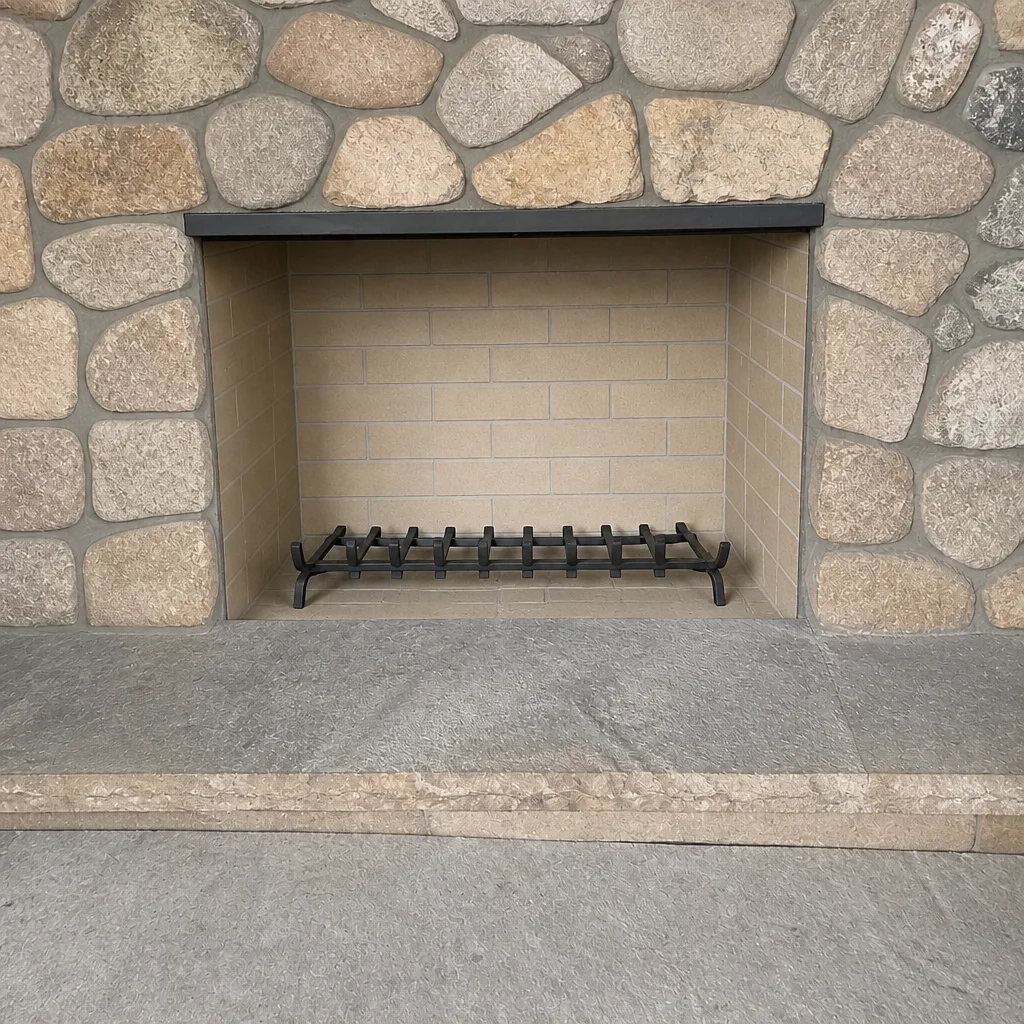
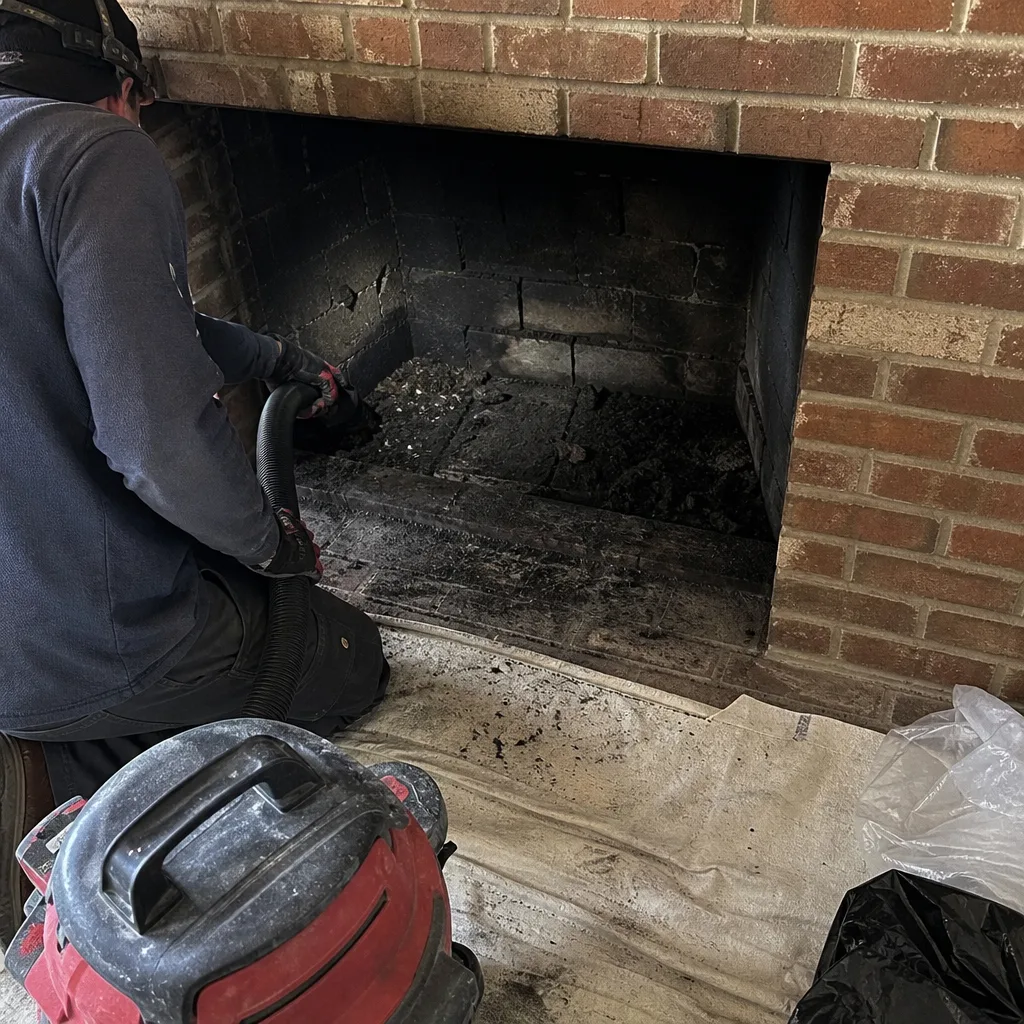
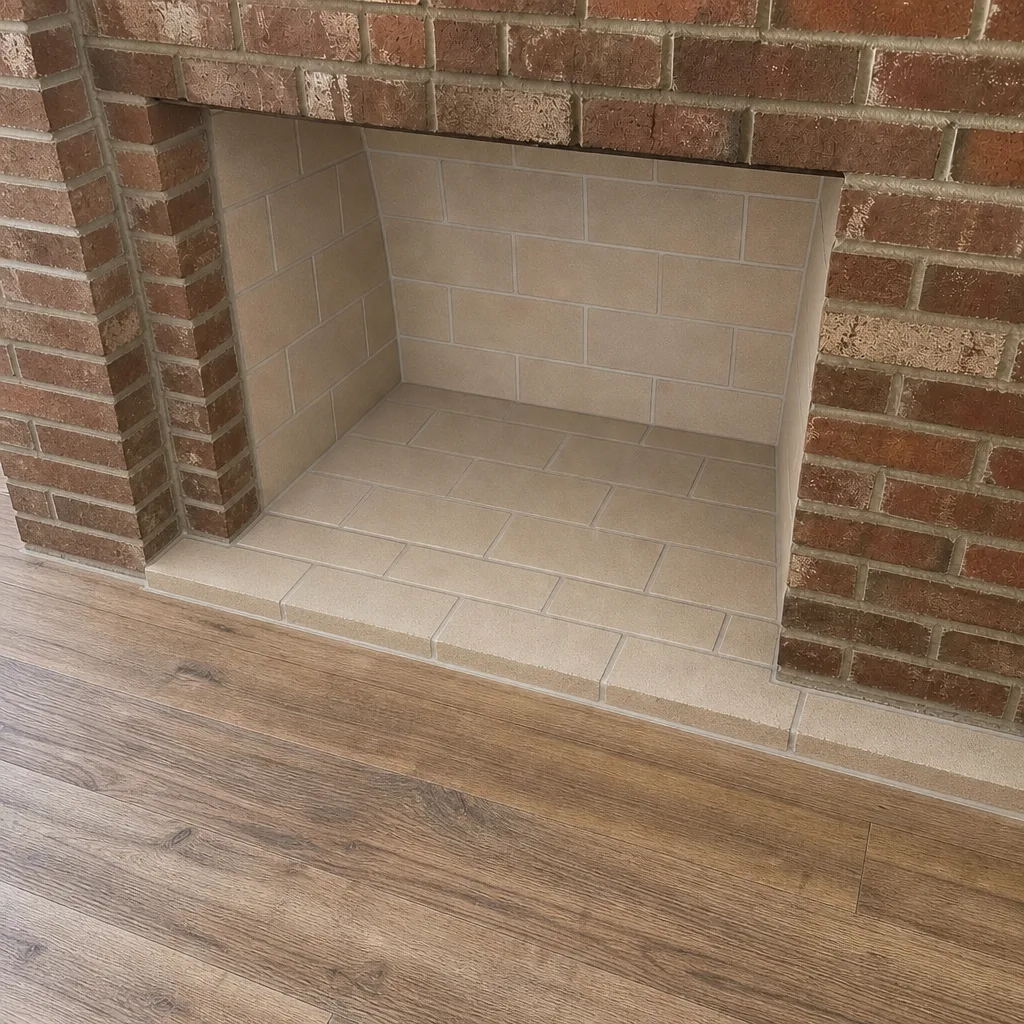
See the difference
 Before
 After
 Before
 After
 Before
 After
When to Call a Professional
Call a sweep for any of these: smoke entering the room regularly, an odor that persists after the fire is out, visible staining or spalling on the chimney exterior, difficulty starting or maintaining a fire, or any draft problem that doesn’t resolve after you’ve checked the damper and tested for negative pressure. Also call if it’s been a year or more since your last sweep and inspection, if you’ve recently moved into a home with a wood-burning appliance, or if you notice any sign of water intrusion. Arvada Chimney Sweep Pros offers free estimates in Arvada, and we inspect the whole system rather than just sweeping the flue. Call (877) 502-4468. We answer 24/7. Fast dispatch from 7am to 7pm, Sunday through Friday.
Frequently Asked Questions
Smoke entering the room is most often caused by a partly closed damper, a cold flue at startup, or negative house pressure pulling air down the chimney. A blocked flue is possible but less common. Describe what’s happening (which wind direction, fire starting or dying, whether fans are running) and a sweep can trace the cause in a single visit. Call (877) 502-4468 for an exact quote. Estimates are free.
Most wood-burning chimneys should be swept and inspected once a year, and that’s the schedule chimney professionals generally recommend. Homes that burn heavily, burn green wood, or have signs of draft problems may need a visit sooner. If it’s been a year or more, book a visit and let a sweep tell you whether a sweep, an inspection, or both are needed.
Yes, thinner air at higher elevation means less mass for the chimney to work with when it builds draft, so a flue that drew well at a lower elevation can struggle in Arvada. Combined with the Front Range’s strong, gusty wind, that’s why altitude and wind problems show up here more than in low-elevation climates. A correctly fitted cap and a correctly sized flue make the biggest difference.
Some rollback is a safe DIY fix: open the damper fully, warm a cold flue with a rolled newspaper, or test for negative pressure by turning off exhaust fans and cracking a window. If the symptom persists after those steps, it needs a professional diagnosis. Never attempt flue cleaning yourself, and never get on the roof.
Summer chimney odor is usually creosote residue reacting to humid weather, moisture in the masonry, or an animal in an uncapped flue. A sweep clears residue and inspects the cap and crown, which are the two most common water entry points. If the smell comes with staining or spalling, water intrusion is more likely, and a repair more than a sweep may be needed.
Often yes. A new crown, a properly fitted cap, and attention to flashing will stop most water intrusion before the masonry itself needs work. Spalling brick may call for repointing the mortar joints, and in worse cases a crown rebuild. Our technicians have up to 8 years of experience diagnosing what’s repairable and what needs a full rebuild, and they’ll tell you plainly when a repair can safely wait.
The Bottom Line
Most chimney problems in Arvada come down to a small set of causes: a damper that isn’t fully open, a cold or short flue, negative house pressure, water getting in through the crown or cap, or a genuine blockage. Altitude and Front Range wind make Arvada chimneys more sensitive to draft and pressure than most of the country. The path from symptom to fix runs through diagnosis, not assumption. If you can describe what you’re seeing and when, a trained sweep can trace the cause and get you the right repair the first time. We inspect it and fix it, same crew, no referrals. For the full system view, see our chimney sweep, fireplace repair, and chimney repair pages.
Have a symptom you can’t place? Call (877) 502-4468 for a free estimate. We answer 24/7. Fast dispatch from 7am to 7pm, Sunday through Friday. Whether you’re in Arvada or the surrounding Front Range, we’ll inspect the whole system and show you what we find before recommending a repair.
Written by the team at Arvada Chimney Sweep Pros.