
Last updated November 23, 2026
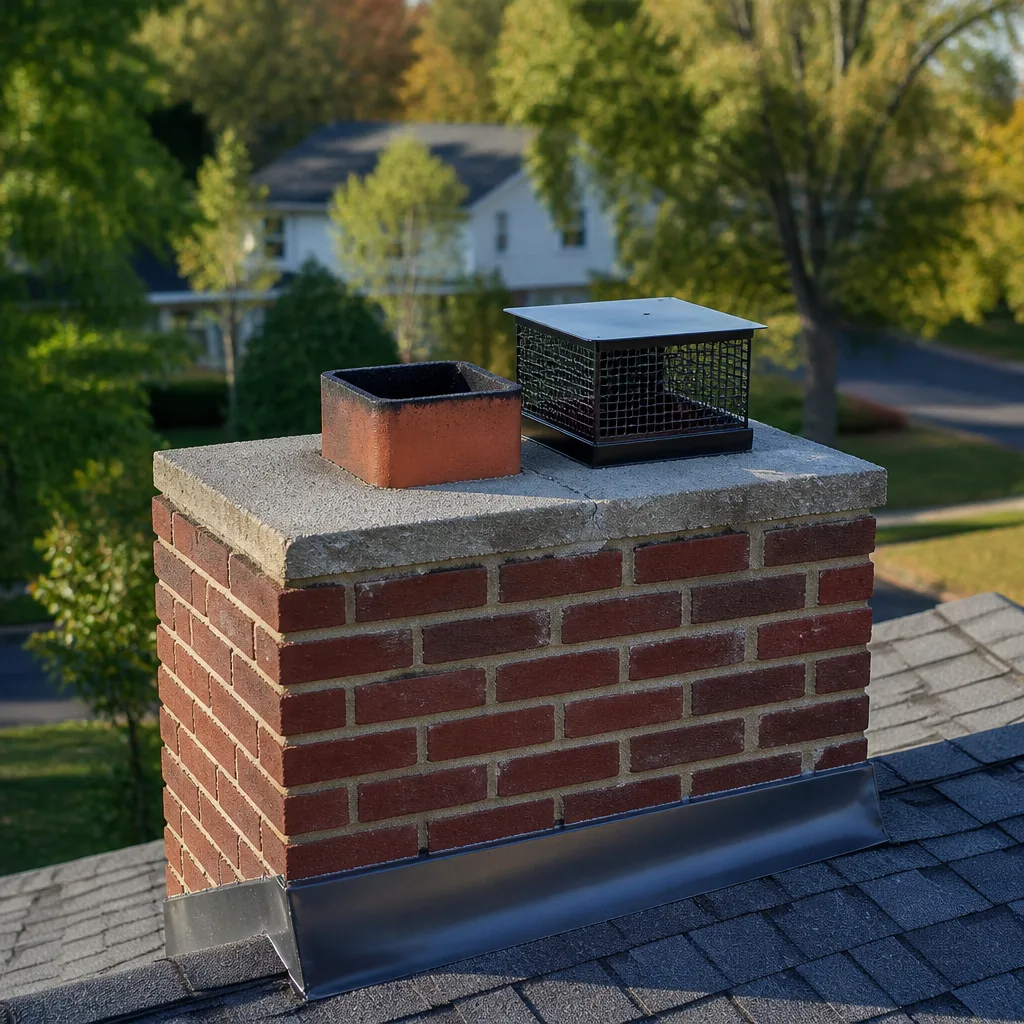 Sweep & inspection
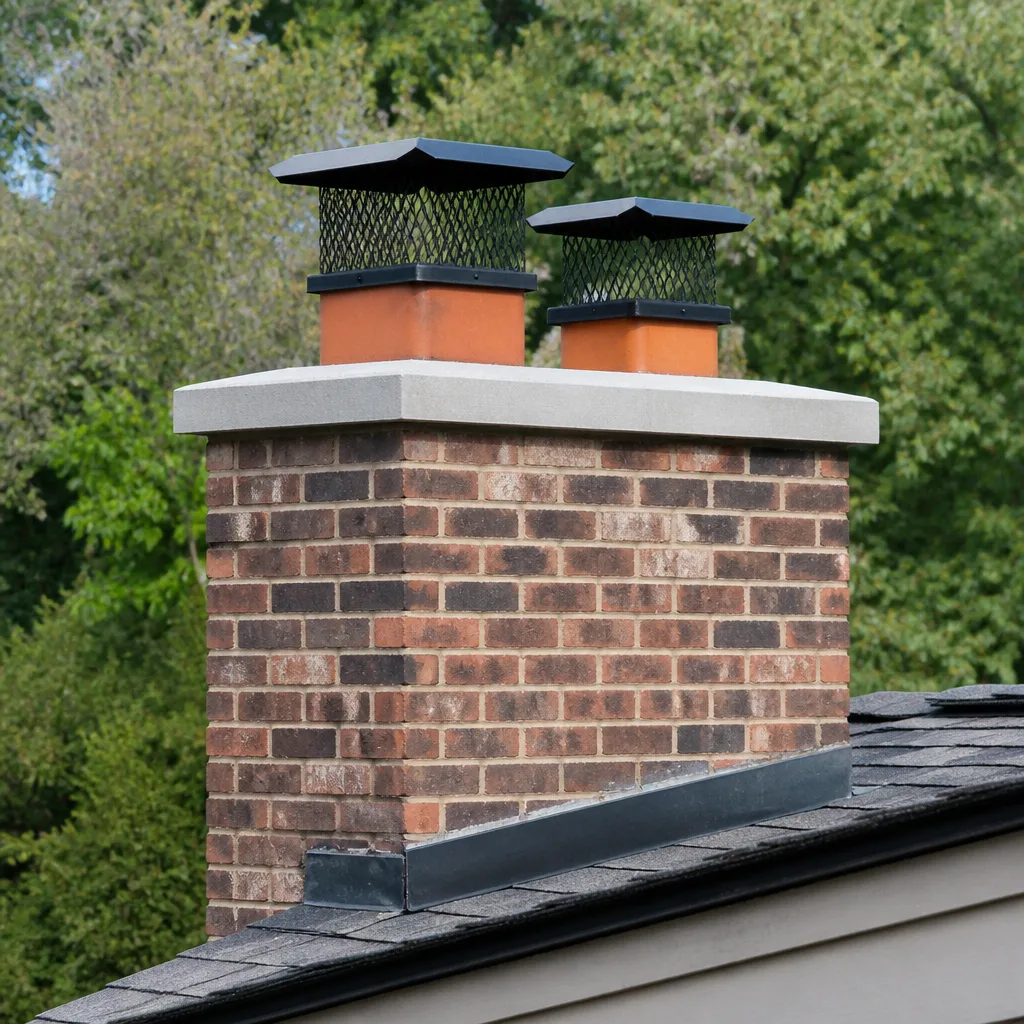 Caps & crowns
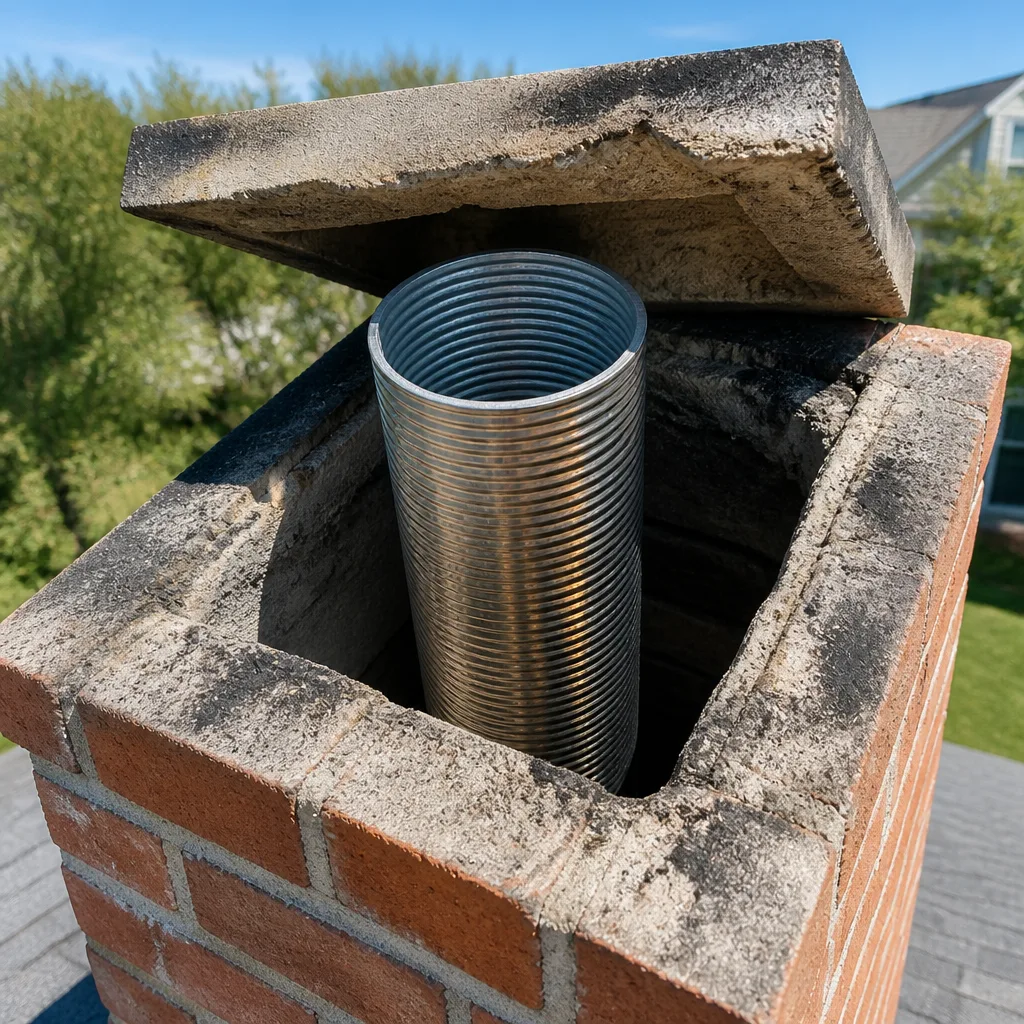 Flue relining
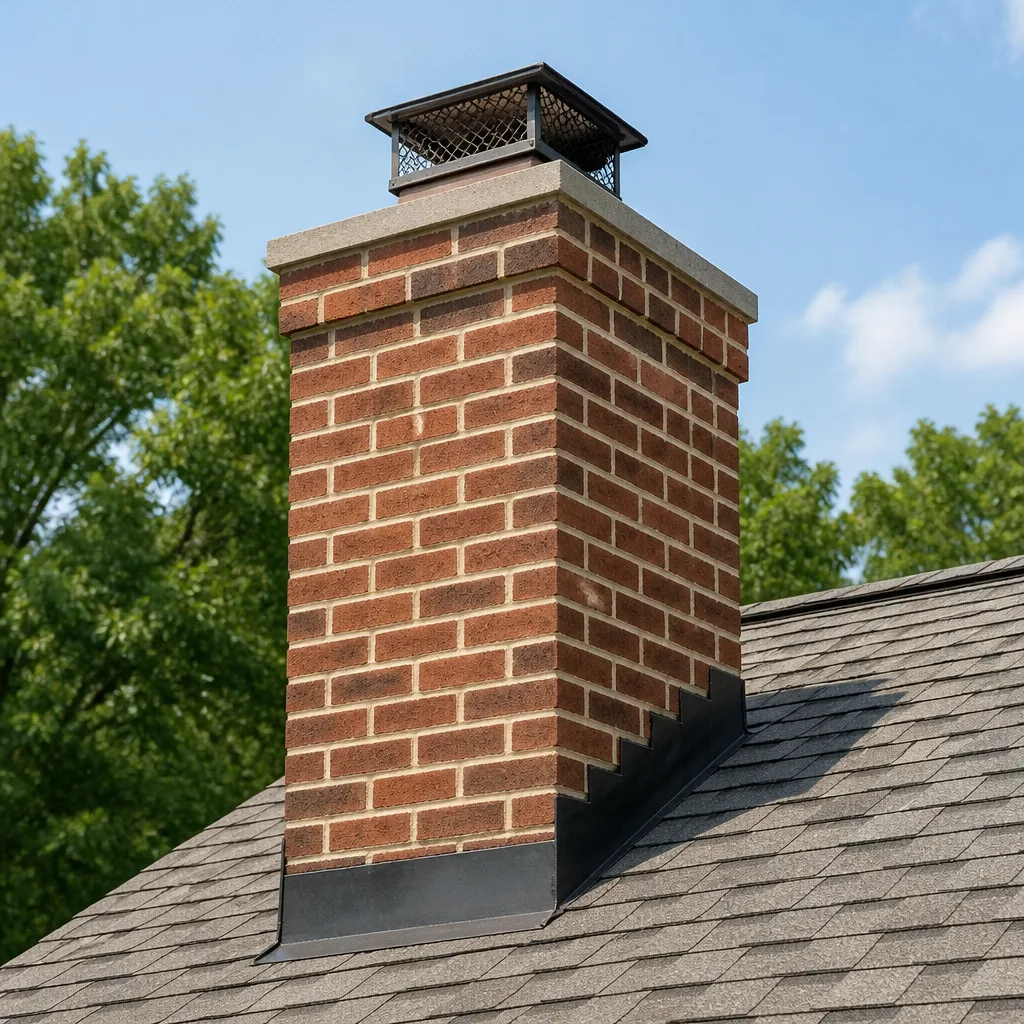 Masonry repair
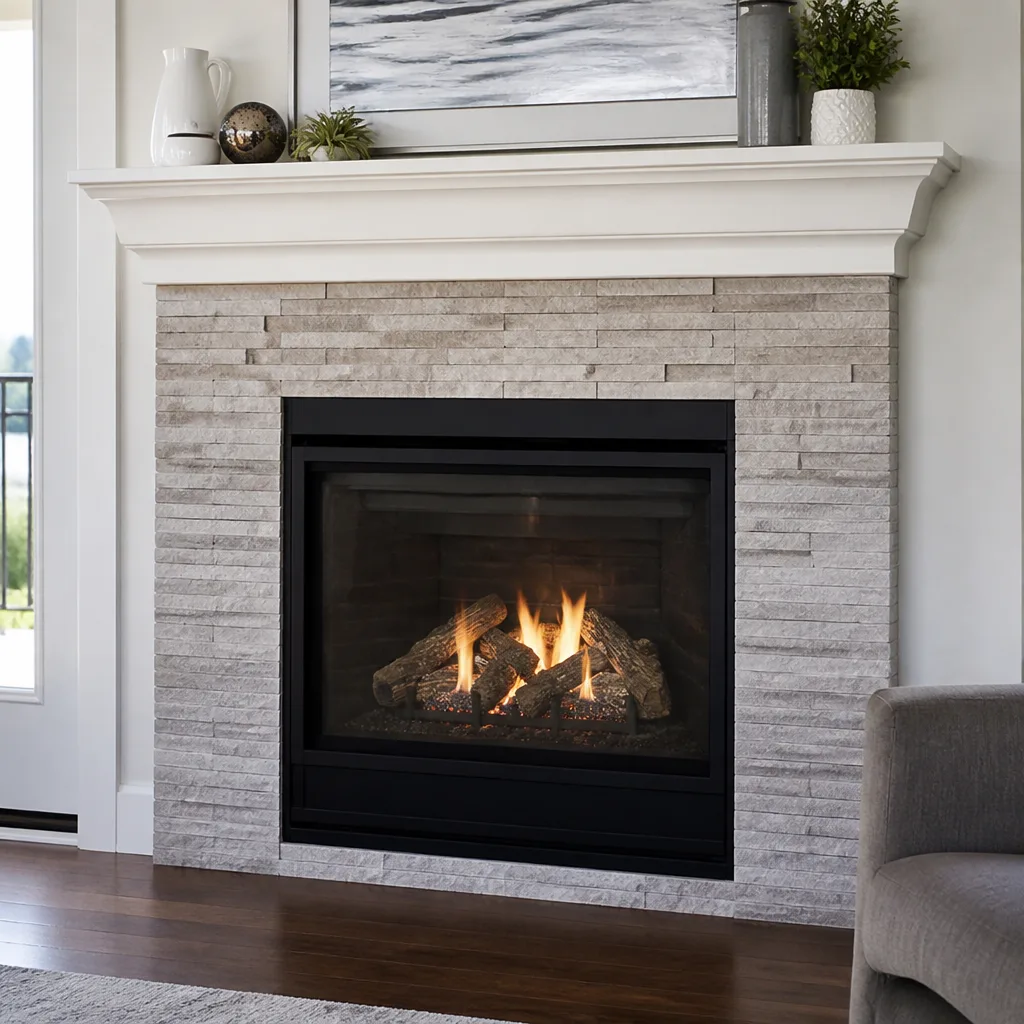 Gas fireplace service
Level 1 sweep and inspection to the NFPA 211 annual standard - flue, crown, cap, and flashing checked and photographed
Chimney sweep logs do not sweep chimneys. They loosen some creosote - which then falls where a brush and vacuum still have to collect it.
DIY vs Professional Chimney Cleaning: The Arvada Homeowner’s Decision Guide
A chimney brush kit costs around $60 at any hardware store, and thousands of homeowners buy one every fall. Here’s what the kit doesn’t include: any way to know whether the liner you’re scrubbing has a hairline crack that’s been routing carbon monoxide into the wall cavity behind it. That diagnostic gap is the whole case for professional service, and it has almost nothing to do with whether a flue gets scrubbed clean. In this guide we’ll separate what a homeowner can legitimately handle from what requires trained eyes and real tools, explain how Arvada’s high-altitude burning conditions change the risk math, and give you a five-question framework for deciding which side of the line you’re on this season.
Quick Answer
DIY chimney cleaning is appropriate only when your flue has been professionally inspected within the past year and found sound, you’re removing light stage-one creosote, and you can examine the liner yourself with proper lighting and a camera. For most Arvada homeowners, professional cleaning is the right call because the value isn’t the scrubbing, it’s the assessment: a trained sweep can see liner cracks, glaze, and draft problems that a brush and a flashlight will never reveal.
Styles & brands we work with
- Sweep & inspection
- Caps & crowns
- Flue relining
- Masonry repair
- Gas fireplace service
Table of Contents
- What You Can Legitimately Do Yourself
- The Diagnostic Gap: Why Cleaning Isn’t the Hard Part
- How Arvada’s Altitude Changes the Creosote Equation
- The Tools and Training a Real Flue Assessment Requires
- Liability, Insurance, and Self-Certification
- A Five-Question Decision Framework
- What a Professional Sweep Actually Includes
- Common Mistakes to Avoid
What You Can Legitimately Do Yourself
There’s real work a homeowner can do around a fireplace without touching anything dangerous. We’d rather you did these jobs than skipped them, because a well-maintained firebox is easier and safer to burn in. The line to hold is simple: you can look, and you can clean the parts you can reach with your hands and eyes. You can’t assess anything on the other side of the damper.
The homeowner-safe tasks break down like this:
- Firebox visual inspection. Look for cracked firebrick, missing mortar joints, or white chalky staining on the brick. Note anything loose or crumbling and don’t burn until it’s been looked at. This is observation only, not diagnosis.
- Ash removal. Scoop cooled ash into a metal container with a tight lid and set it outside, well away from the house. Never vacuum warm ash. Never store ash in a paper bag or cardboard box, even on a porch.
- Basic damper check. Open and close the damper by hand. It should move freely and sit flush when closed. A damper that sticks open or won’t seal wastes heat and can let cold air down the flue when the fireplace is idle.
- Exterior cap inspection from ground level. From the yard, use binoculars to check that the cap is present, that the screen mesh isn’t torn or rusted through, and that no obvious birds’ nests or debris are packed into the opening. Do not climb on the roof for this.
That’s the honest list. Ash removal and observation are genuinely useful. They buy you nothing on the interior flue, and the interior flue is where the risk lives. What a chimney brush and a homeowner’s arm can reach is a fraction of the flue liner’s surface, and none of the parts where a crack would matter most. If your system needs anything beyond a look and a scoop, that’s where the conversation should stop. Our guide to Arvada Chimney Sweep Pros explains what a full evaluation covers.
The Diagnostic Gap: Why Cleaning Isn’t the Hard Part
Here’s the part competitors gloss over: physically cleaning a flue is not difficult. A rotating brush on a flexible rod, run from the top down or the bottom up, will knock loose soot and stage-one creosote off the liner walls. With the right brush size and thirty minutes, most motivated homeowners can do that. The cleaning isn’t the hard part. The assessment is.
What a homeowner can’t do from the firebox is determine whether the liner they just cleaned is structurally sound enough to keep using. That question requires seeing the full length of the flue under proper light, recognizing what glaze looks like versus normal soot, and knowing the difference between a hairline crack that’s cosmetic and one that’s venting combustion gas into the chase. Those are separate skills from scrubbing.
In our experience, the calls that matter most are the ones where the homeowner thought everything was fine because the fire drew well. A flue can pull a draft beautifully and still be cracked. A damaged liner doesn’t announce itself with smoke in the room; it vents where you can’t see, into wall cavities or attic space, and the carbon monoxide from a wood fire or a gas appliance has no smell to warn you. That’s the specific hazard the diagnostic step exists to catch, and it’s why we don’t treat cleaning as the end goal. The cleaning is the housekeeping. The inspection is the point.
For reference, professional-grade liner materials like DuraFlex are engineered to flex and resist the thermal cycling a working flue goes through. A homeowner can’t tell from above whether their existing liner has already lost that integrity. A camera can. A trained eye on a camera feed can. A flashlight pointing down a dark flue from the firebox can’t. We handle both the diagnostic and the repair under one roof so findings don’t sit unaddressed.
How Arvada’s Altitude Changes the Creosote Equation
Most DIY chimney guides are written for sea level. Arvada sits at roughly 5,300 feet, and that elevation changes how a wood fire burns in ways that directly affect how fast creosote accumulates and what form it takes. Thinner air means less oxygen per cubic foot entering the firebox. Less oxygen means incomplete combustion. Incomplete combustion means more unburned wood gas traveling up the flue as smoke, and more of that smoke condensing on cooler liner walls as creosote.
Three things follow from that:
- Stage two creosote arrives sooner. What’s a fluffy, brushable stage-one flake at lower elevation can harden into stage two – crusty, tar-like, and much harder to remove – in fewer burns here. The timeline most DIY guides assume doesn’t hold in Arvada.
- Glaze forms faster. Stage three, the shiny hardened glaze that a standard brush will skate right over, becomes more likely the more often the fire is run with a restricted air supply. Glaze is a fire hazard, and it takes specialized removal tools and technique, not a $60 kit.
- Seasonal swing matters. The cold stretches along the Front Range concentrate burning into fewer months. A household that burns hard through winter at altitude can hit meaningful creosote build-up sooner than the annual sweep schedule assumes, and many Arvada homeowners burn more than they realize during a cold snap.
The practical upshot: if you’re going to consider DIY at all in Arvada, you need to be more conservative about frequency, not less. The climate here doesn’t reward cutting corners on inspection. That’s a local fact worth repeating to anyone who tells you a once-a-year brush is always enough. When creosote has moved past stage one, the question is no longer whether you can clean it. It’s whether you can recognize it. If the answer is no, that’s not a knock on you. It’s a limit of any untrained eye.
The Tools and Training a Real Flue Assessment Requires
A proper inspection needs more than a flashlight pointed up a dark hole, and this is where the DIY case usually collapses. The tools a trained sweep uses to assess liner integrity are not the tools a homeowner has on a shelf, and the training to interpret what those tools show takes time to build. Our technicians have up to 8 years of experience, and that experience is mostly about recognizing the difference between a flue that photographs fine and a flue that’s actually sound.
The core assessment equipment and what each piece catches:
- Video inspection camera on a flexible reel. This is the single most important tool. It runs the full length of the flue and shows the liner surface in real time, top to bottom, including the offsets and bends where creosote collects and cracks start. A flashlight from the firebox sees the first four feet.
- High-output lighting built for reflective surfaces. Glaze is shiny and reads differently under strong light than under a cell phone beam. The wrong light can hide exactly what you’re looking for.
- Moisture and structural assessment. Reading the exterior masonry, the crown, and the flashing for water intrusion tells you whether the liner is being attacked from the outside as well as the inside. That’s a whole-system read, and it’s how cap and crown problems get caught before they become liner problems.
- Rotary cleaning tools sized to the flue. The brush has to match the liner’s dimensions. Undersized, it doesn’t reach the walls. Oversized, it can damage a flexible liner. Matching a tool to a flue is itself a skill.
None of this is meant to make the job sound mysterious. It’s mean to be honest about the difference between cleaning and diagnosing. A flashlight isn’t a substitute for a camera, and a homeowner’s arm isn’t a substitute for a reel. If you want to understand what a thorough evaluation includes, our chimney sweep page walks through the full process.
Liability, Insurance, and Self-Certification
This is the section most homeowners have never thought about, and it’s arguably more important than the cleaning question. When you clean your own chimney and declare it safe, you’ve taken on the role of inspector. If a subsequent chimney fire or a carbon monoxide incident traces back to a liner defect you didn’t catch, your homeowner’s insurance adjuster is going to ask one question: who documented the condition of that flue?
That question is where the DIY case gets uncomfortable. A self-cleaned chimney has no record. There’s no inspection photo, no written report, no evidence that the flue was assessed and found sound before you lit the first fire. When a loss is under evaluation, a documented, professional inspection establishes the baseline condition of the system, and it shows the home was maintained. That matters during a claim. It matters if you’re selling the house and a buyer’s agent asks for chimney records. It matters if there’s ever a question about whether a defect was pre-existing or new.
We’re not claiming your insurer will deny every claim without a professional chimney inspection; that’s not how policies are written, and we’d rather not overstate it. The honest point is that a professional sweep documents the condition of the system in a way a homeowner’s word can’t, and that documentation has value beyond the sweep itself. It’s the difference between “I looked and it seemed fine” and a dated report showing what the camera saw. That record is the thing you’re actually buying when you hire a sweep, alongside the cleaning.
A Five-Question Decision Framework
Not every homeowner needs to call for a sweep this season. Some genuinely don’t. Here’s a short framework that tells you which camp you’re in. If you can honestly answer yes to any one of these five questions, DIY cleaning is not appropriate for your situation this year, and the responsible move is to book a professional evaluation before you burn.
- Has it been more than a year since a professional inspected your flue? If the last inspection is a mystery, you can’t know the liner’s condition, and cleaning without that knowledge is guesswork.
- Have you burned wood through a full Arvada winter or more since your last sweep? High-altitude burning builds stage-two creosote faster than lower-elevation guides assume, so a longer interval than usual is a reason to call, not a reason to relax.
- Is there any visible sign of trouble? Cracked or spalling firebrick, a damaged crown, rusted or missing cap, staining on the exterior masonry, or smoke that won’t draw cleanly. Any one of these changes the job from cleaning to assessment.
- Do you burn a gas appliance vented through this chimney? A gas flue and a wood flue need different attention, and a gas appliance venting into a cracked flue is one of the more serious carbon monoxide scenarios we encounter.
- Are you planning to sell the home, file an insurance claim, or rent it out? Any of these turns documentation from a nice-to-have into a genuine need, and only a professional inspection produces a report worth having.
If you answered no to all five, and you’ve had a professional pass in the last year, you may safely handle the light cleaning and observation tasks in the first section. That’s a real answer, not a sales pitch. The framework exists to help you decide honestly, not to push everyone toward a booking. Where we think homeowners get it wrong is treating “I can physically reach it” as the same thing as “I can assess it.” Those are different competencies, and only one of them is more or less universal.
What a Professional Sweep Actually Includes
When you hire a professional sweep in Arvada, the visit should include more than a brush run up the flue. A proper visit stages cleaning and evaluation together: camera inspection of the full liner, cleaning sized to the flue, and a condition report that tells you what was found and what, if anything, needs attention. If the sweep finds a problem, the same visit should be able to explain it, show you the evidence, and lay out options. That last part is where the industry fragments. Sweep-only providers hand findings to a separate repair contractor, and the diagnosis-to-fix gap between the two is where small problems become expensive ones.
We structure a visit so the inspection and the fix stay with one team. That means a heat-resistant liner material like HeatShield becomes usable when the flue needs resurfacing rather than full replacement, and it means when a cap or crown needs replacing, it gets specified to the right fit rather than patched with whatever a handyman has on hand. The materials matter. Professional-grade components from makers like Olympia Chimney and Gelco are the things certified professionals specify; generic parts underspec the exact spots where water intrusion starts. If a sweep reveals a fireplace problem, we can address that too. Our fireplace repair page covers what’s involved.
Not every finding needs immediate work. One of the honest parts of the job is telling a homeowner when something can safely wait. We don’t recommend thousands of dollars of liner or masonry work without camera evidence you can see for yourself. If the flue is sound, the answer is a clean, a report, and a date for next year. If there’s a problem, you’ll get a clear picture of it, not a scare speech.
Common Mistakes to Avoid
- Treating “the fire draws fine” as evidence the flue is sound. Draft is about airflow, not structure. A cracked liner pulls a draft perfectly while venting gases into the wall cavity. Draw tells you almost nothing about the liner’s condition.
- Running a brush through a flue that’s never been inspected. Cleaning an already damaged liner can dislodge material that was partly plugging a crack. Clean only after a professional has confirmed the flue is sound.
- Using a flashlight-down-the-flue check as an “inspection.” A flashlight sees the first few feet and nothing past the first bend. The bends and offsets are exactly where cracks start and creosote packs in on Front Range flues.
- Assuming a sea-level sweep schedule applies here. Arvada’s elevation builds stage-two creosote faster than lower-elevation guidelines assume. More frequent inspection at altitude is not overreach; it matches the burning conditions.
- Storing ash in a bucket on the porch or in the garage. Ash stays hot for days. Only a metal container with a tight lid, set well away from the house, is safe. This one causes house fires every winter, and it’s entirely preventable.
- Cleaning a gas-appliance flue with a wood-chimney frame of reference. Gas venting behaves differently, and a gas flue that’s cracked is a carbon monoxide problem, not just a creosote one. Those systems need a proper evaluation, not a homeowner brush run.
- Treating a homeowner’s own cleaning as its own inspection record. A self-cleaned chimney has no documentation. If a claim, a sale, or a question arises later, “I looked and it seemed fine” won’t carry the weight of a dated professional inspection.
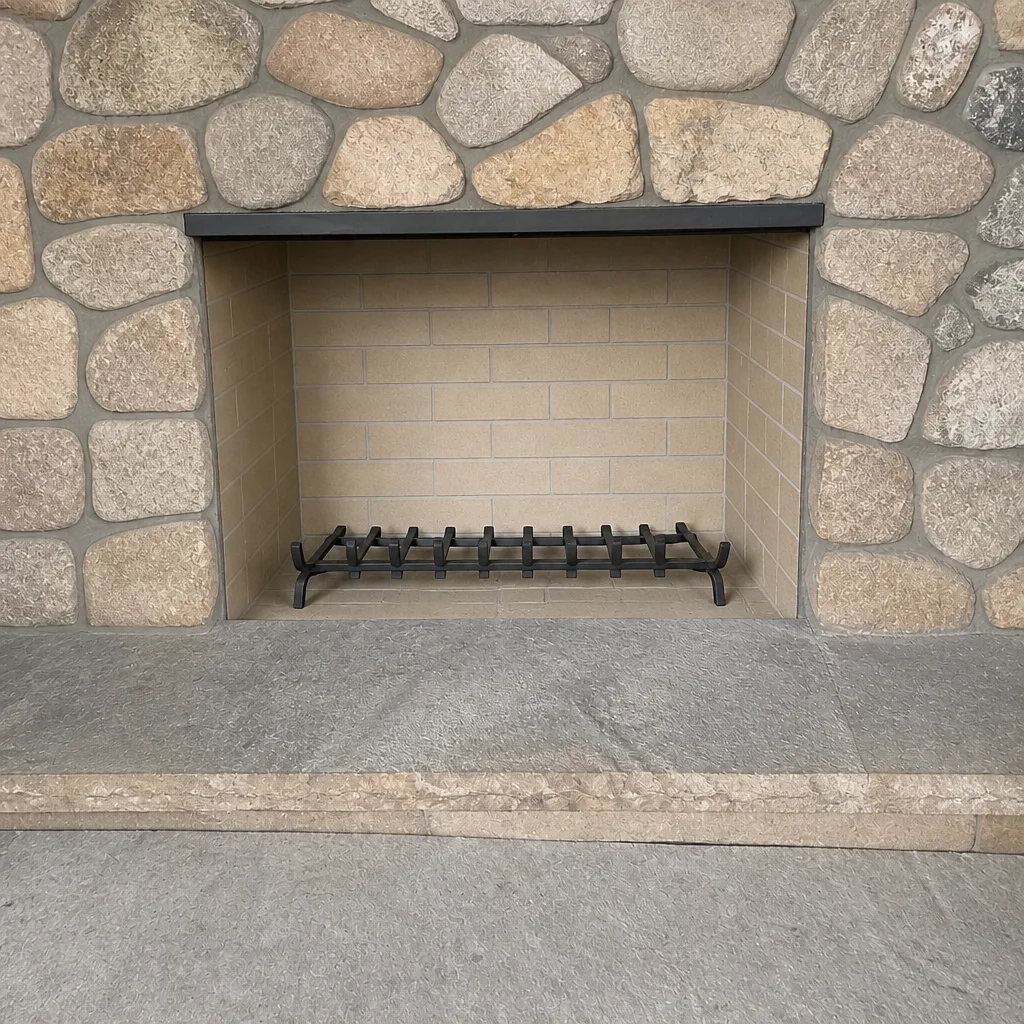
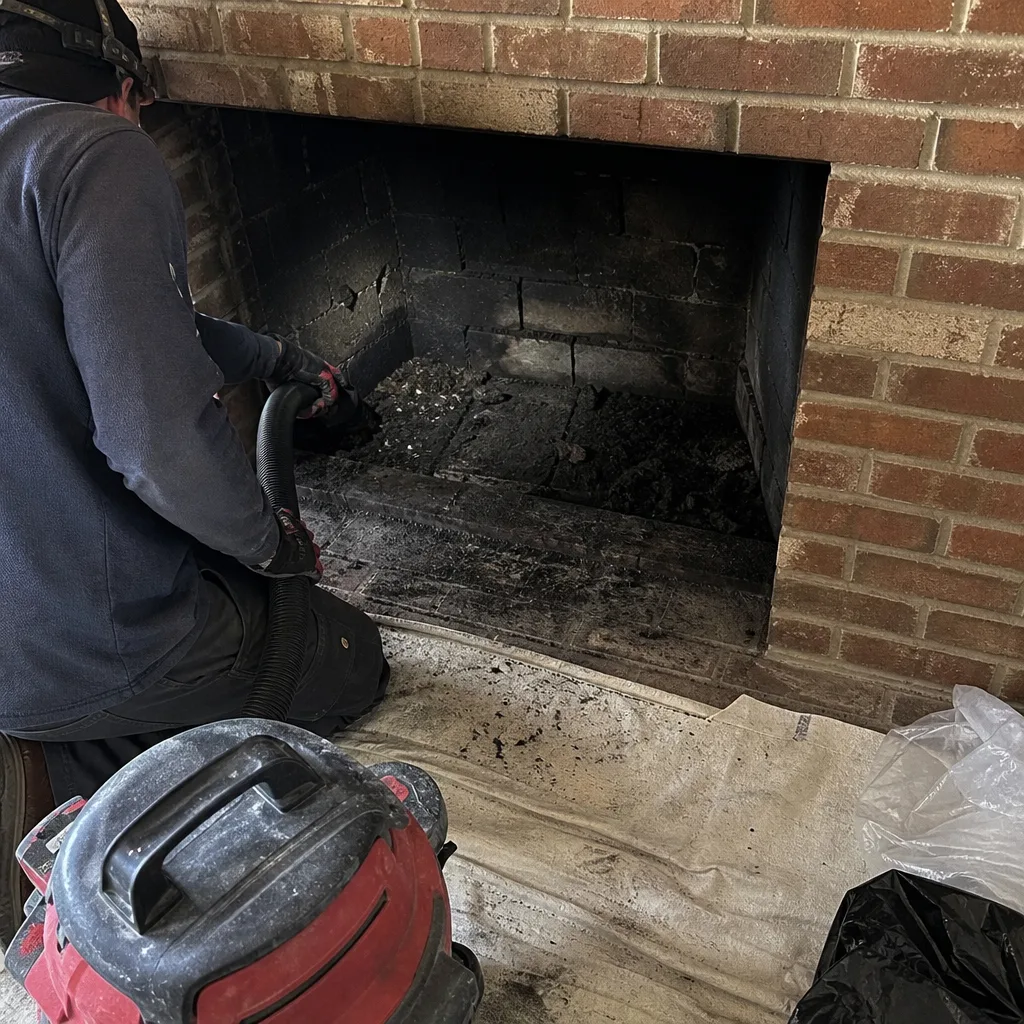
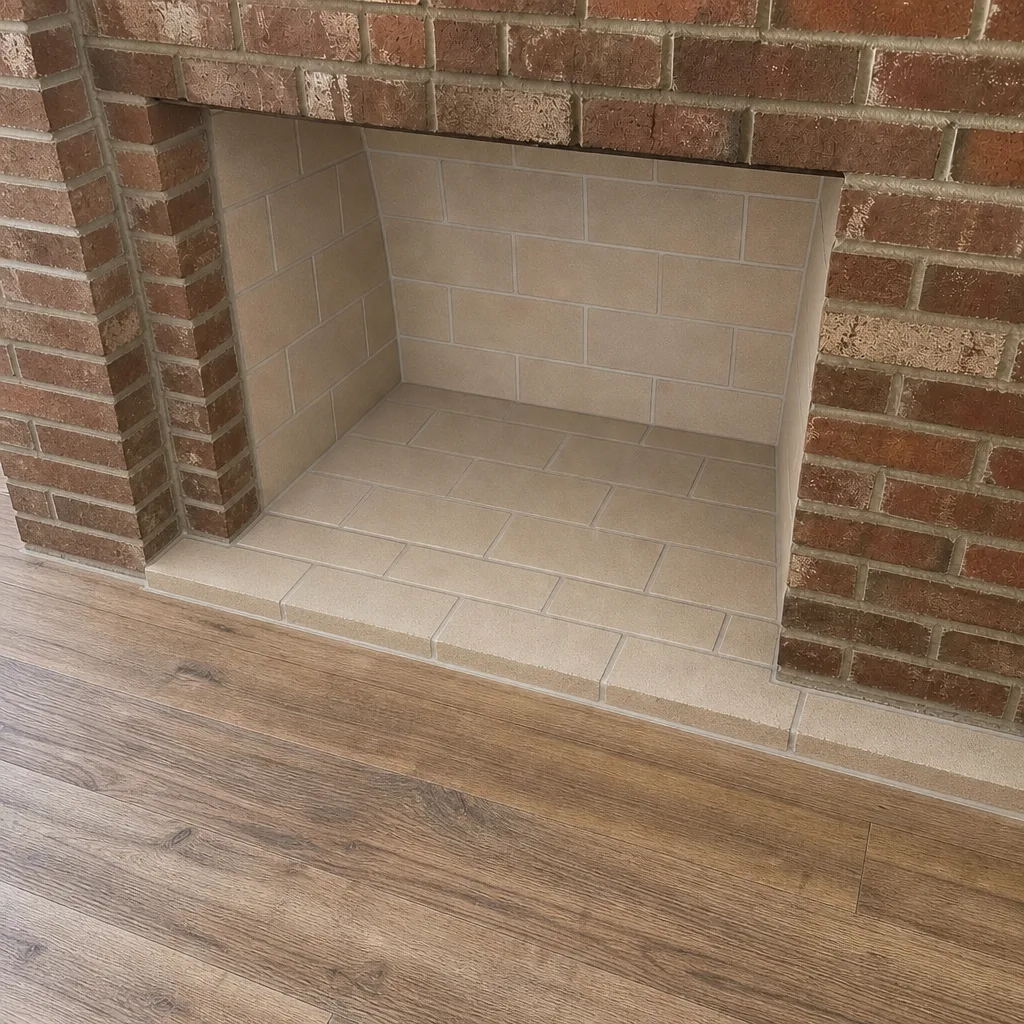
See the difference
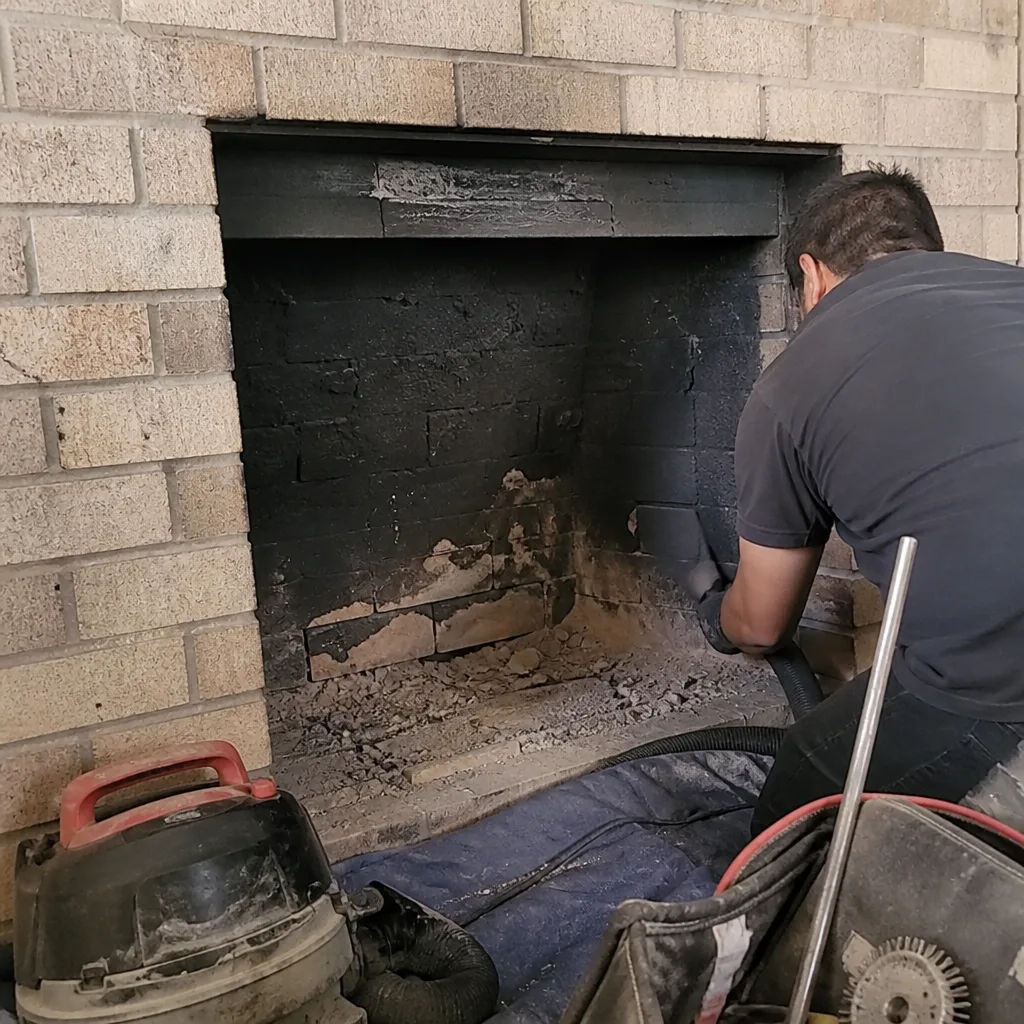 Before
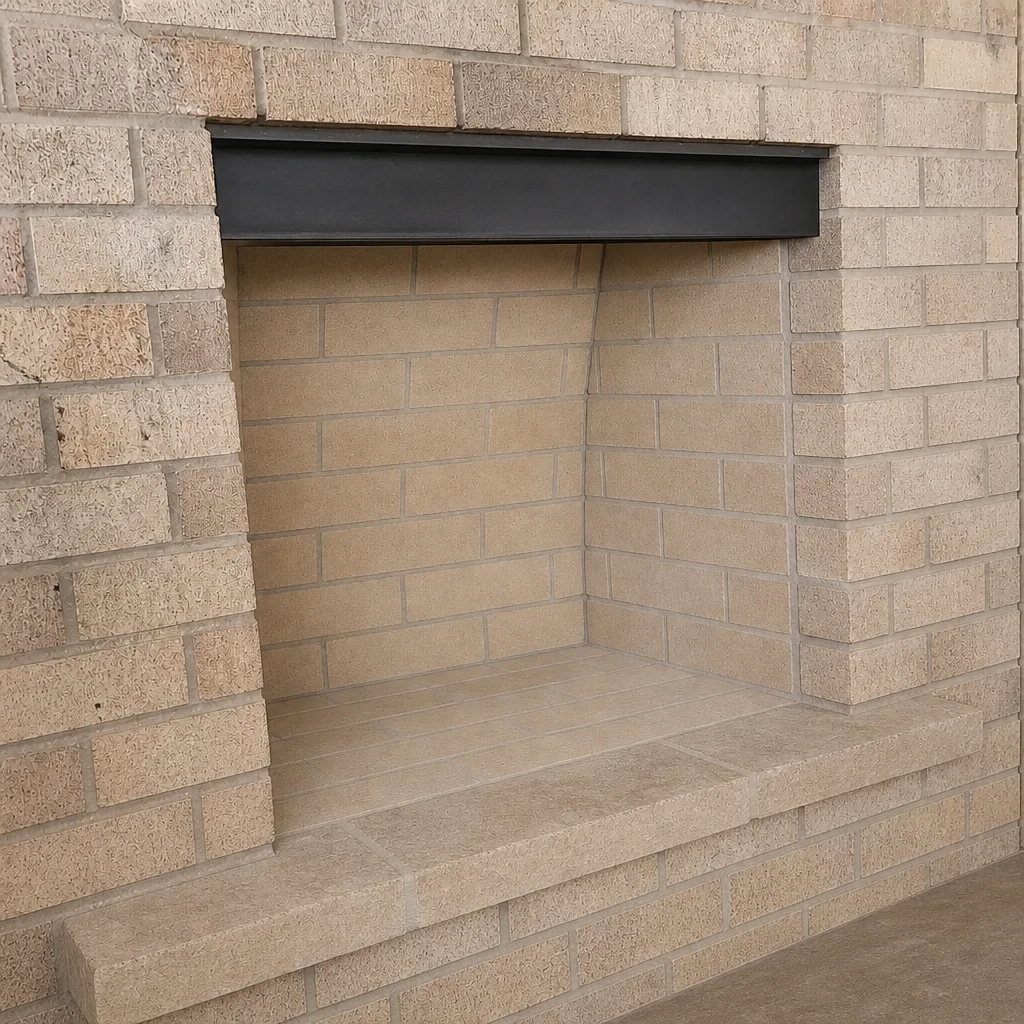 After
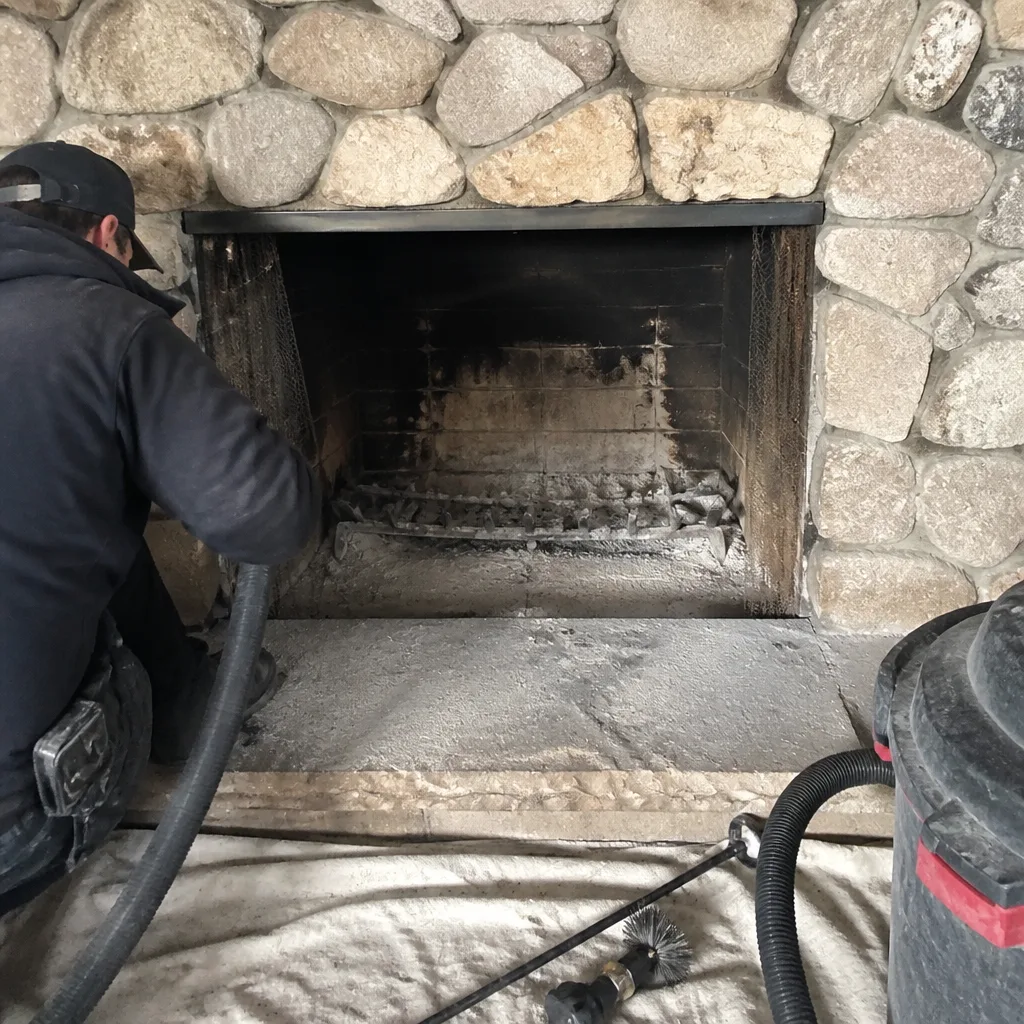 Before
 After
 Before
 After
When to Call a Professional
Call for a professional evaluation when any of the following apply: it’s been more than a year since a trained inspection, you’ve burned a full season at altitude, you’ve noticed smoke that won’t draw, spalling brick, a damaged crown, staining on the exterior, or a missing or rusted cap. Call if you burn a gas appliance through the chimney, if you’re selling or refinancing the home, or if the last person who looked at your flue wasn’t a trained sweep. If you answered yes to any of the five questions in this guide, that alone is enough reason. Arvada Chimney Sweep Pros offers free estimates in Arvada – call (877) 502-4468. We answer 24/7. Fast dispatch from 7am to 7pm, Sunday through Friday. The written estimate sets the final price, and nothing is recommended without camera evidence you can see for yourself. If a repair is needed, our chimney repair team picks it up from the inspection, same crew, no referrals.
Frequently Asked Questions
You can physically clean a chimney yourself if the flue has been inspected within the past year and found sound, and you’re removing only light stage-one creosote. In Arvada, the altitude means creosote builds to stage two faster than most DIY guides account for, so the window where DIY cleaning is genuinely appropriate is narrower here than at lower elevations. If you’re unsure of the liner’s condition, the safe answer is a professional inspection before any cleaning. Call (877) 502-4468 for an exact quote – estimates are free.
A typical professional chimney sweep in Arvada is a per-job estimate, and the written estimate you receive before booking is the final price. The price covers cleaning sized to your flue plus a full camera inspection and a condition report, and no work is recommended without evidence you can see. Call (877) 502-4468 for a free estimate and an exact number.
You need a new liner only when the camera shows a liner that’s actually failed, cracked, or damaged past safe use, and a proper provider will show you that footage. If the flue just needs cleaning or resurfacing, a heat-resistant material like HeatShield can sometimes restore it without full replacement. We don’t recommend liner work without camera evidence you can review yourself, and we’ll say plainly when a repair can safely wait. Call (877) 502-4468 to book an inspection and see for yourself.
At minimum once a year, and more often in Arvada if you burn heavily through winter, because high-altitude conditions build stage-two creosote faster than a sea-level schedule assumes. Any time you’ve noticed a change in how the fire draws, it’s worth an evaluation ahead of schedule. Call (877) 502-4468 for an exact quote – estimates are free.
A skipped inspection leaves you without any knowledge of the flue’s condition, which is exactly when a failing liner or a creosote-loaded flue goes unnoticed. The real risk isn’t the cleaning; it’s the undiscovered defect – a cracked liner venting carbon monoxide into a wall cavity, or a glaze-heavy flue that sparks a chimney fire. Skipping inspection doesn’t skip the problem, it just delays the discovery. Call (877) 502-4468 to book an evaluation before the next burn.
Insurance policies generally don’t dictate who cleans the chimney, but they do care about documented maintenance when a loss is under evaluation. A professional inspection produces a dated report and photos establishing the flue’s condition; a self-cleaned chimney produces no record. That documentation carries real value if you ever file a claim or sell the home. Call (877) 502-4468 for an exact quote – estimates are free.
The Bottom Line
The DIY chimney cleaning question isn’t really about the $60 brush. It’s about whether you can assess the flue your brush is running through, and in Arvada’s high-altitude burning conditions, that assessment matters more than it does in milder regions because creosote hardens and glazes faster here. You can legitimately handle ash removal, firebox observation, damper checks, and a ground-level cap look. You can’t certify your own liner as safe with a flashlight and a brush. The responsible line is the inspection, not the cleaning, and once you’re past that line, a professional sweep with a camera and a written report is the thing worth paying for. Arvada Chimney Sweep Pros offers free estimates in Arvada – call (877) 502-4468. We answer 24/7. Fast dispatch from 7am to 7pm, Sunday through Friday.
Written by the team at Arvada Chimney Sweep Pros.