
Last updated November 23, 2026
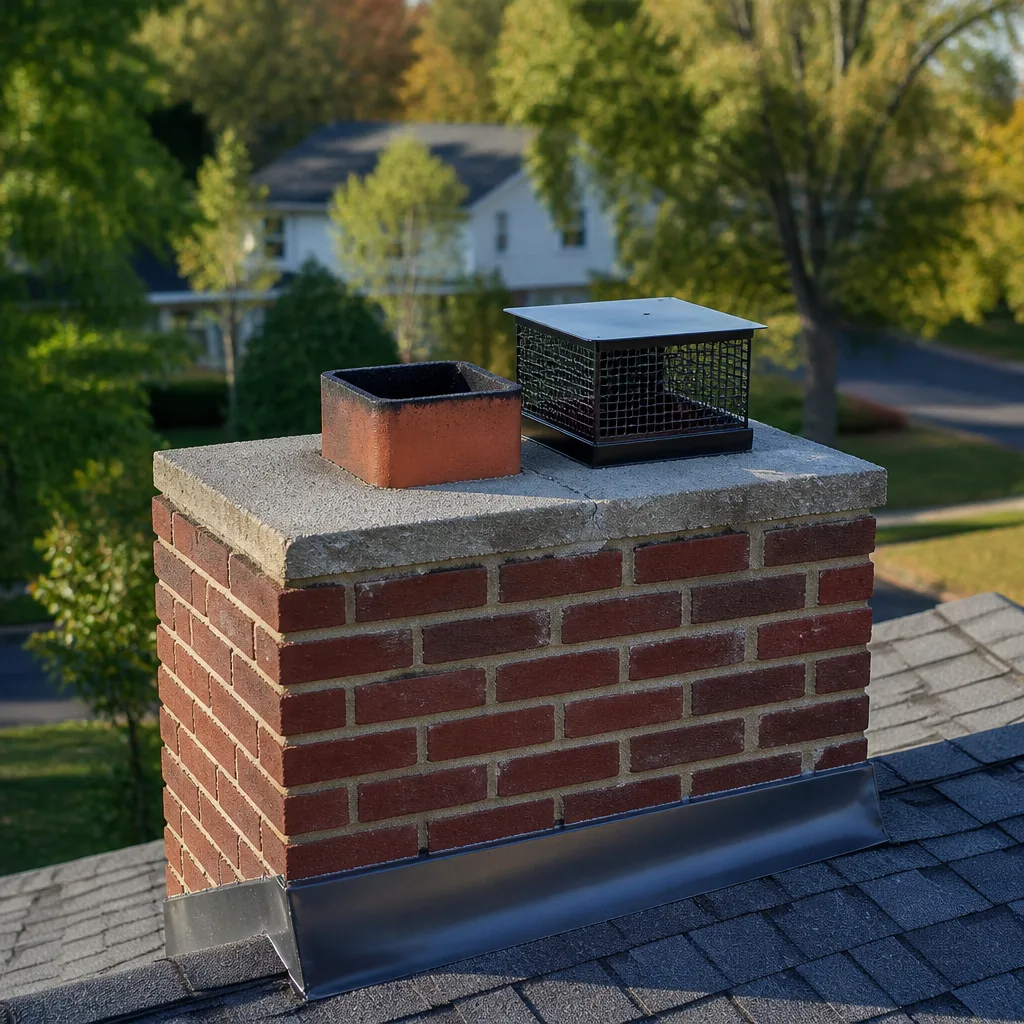 Sweep & inspection
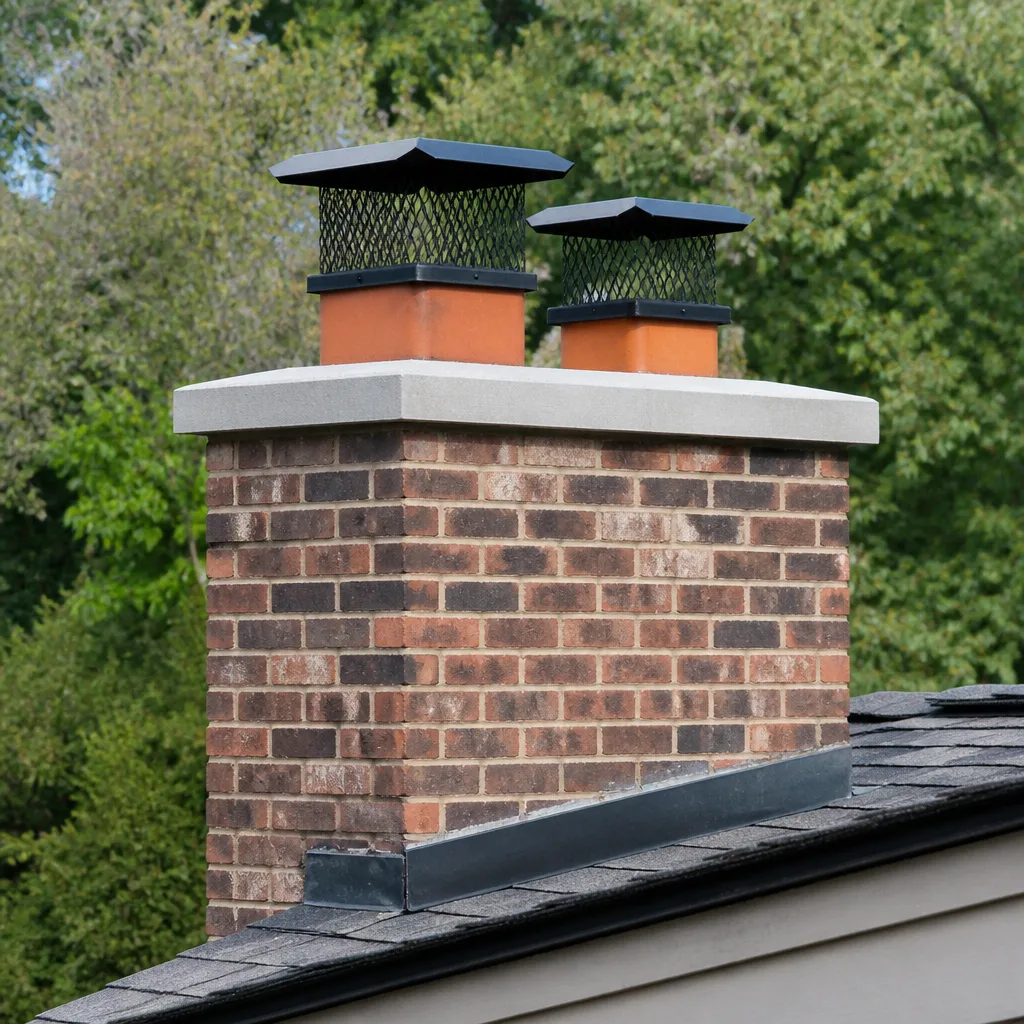 Caps & crowns
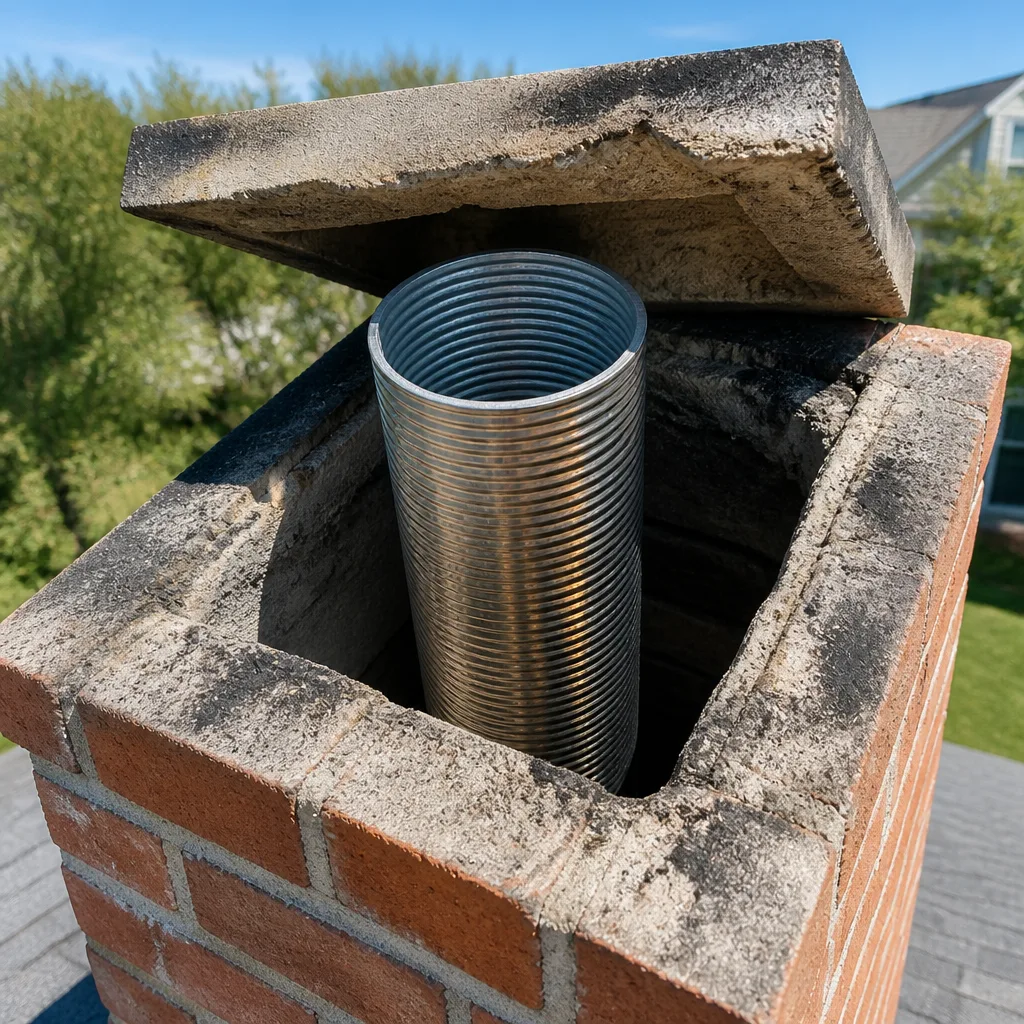 Flue relining
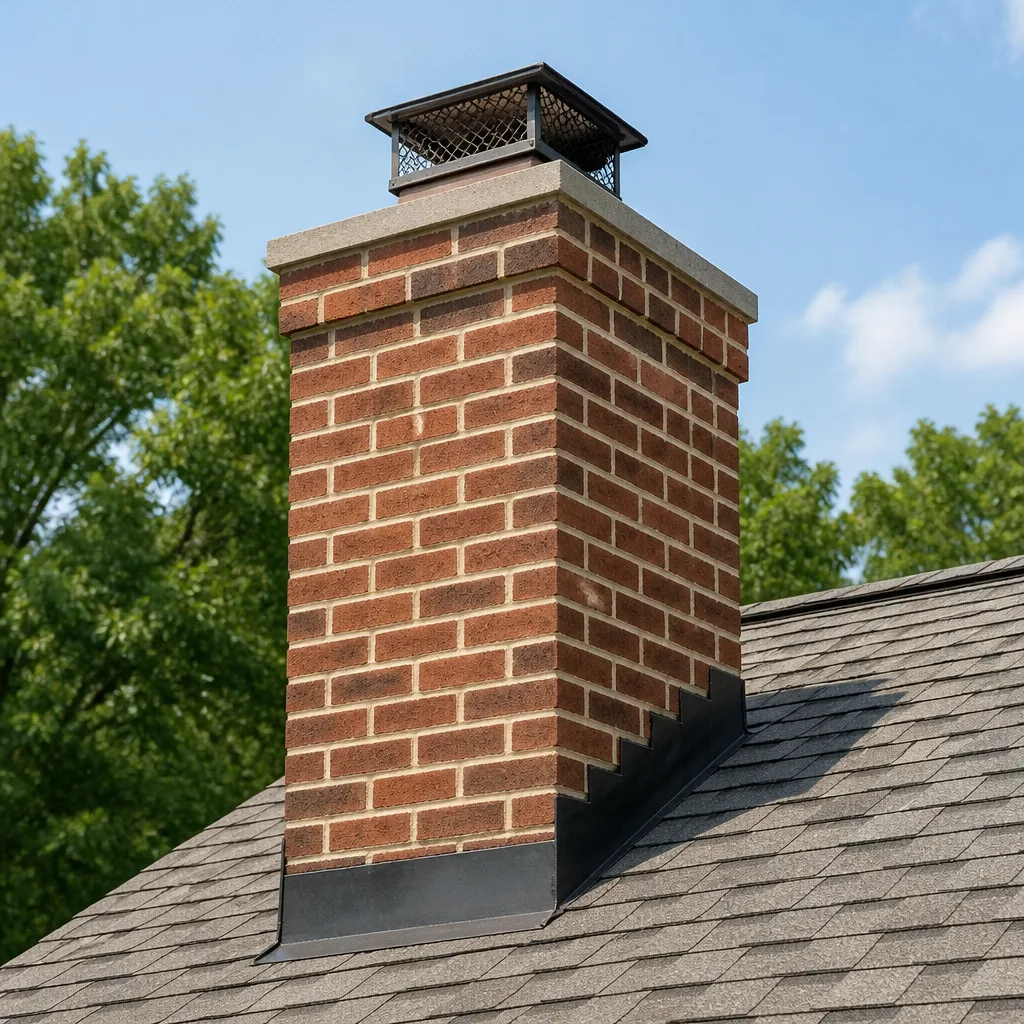 Masonry repair
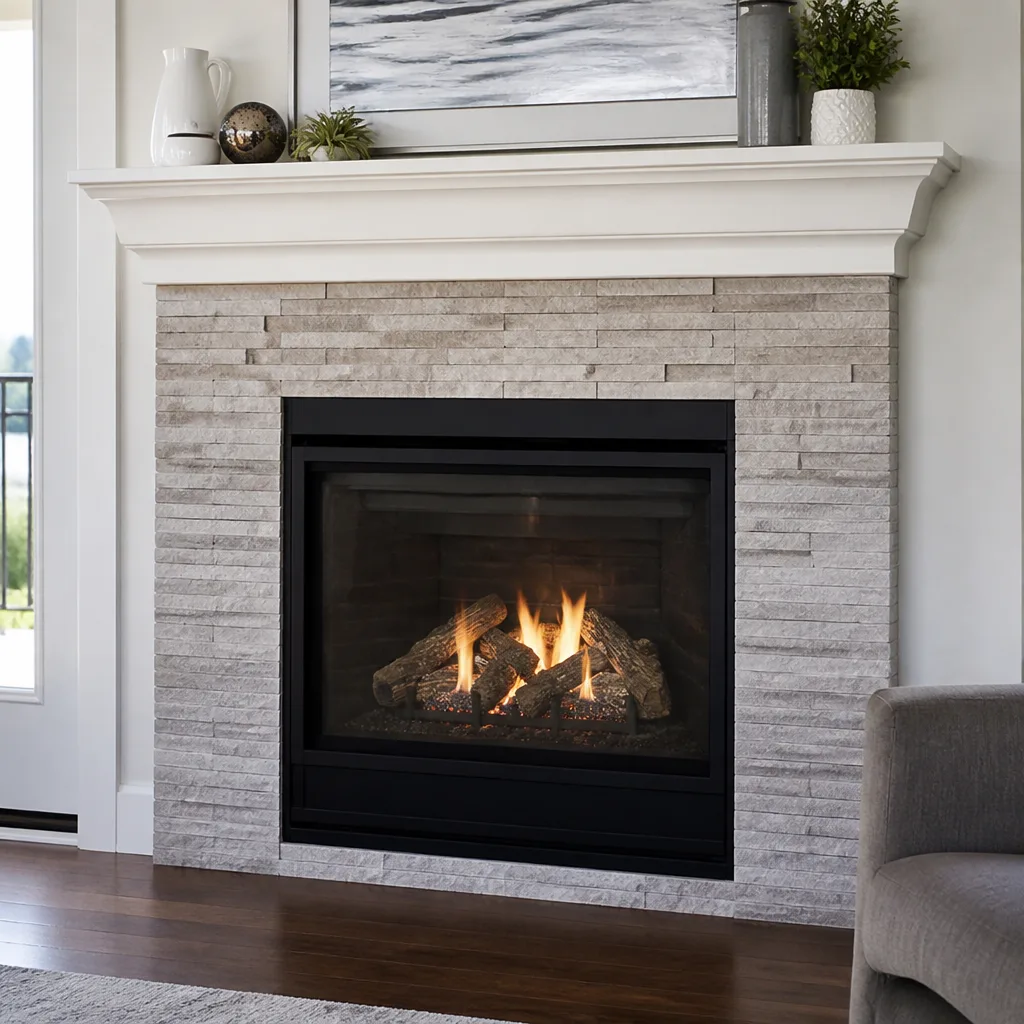 Gas fireplace service
Level 1 sweep and inspection to the NFPA 211 annual standard - flue, crown, cap, and flashing checked and photographed
Chimney sweep logs do not sweep chimneys. They loosen some creosote - which then falls where a brush and vacuum still have to collect it.
Choosing the Right Chimney Cleaning Brand: A Buyer’s Guide for Arvada
When a chimney contractor repoints your crown or seals your flue, you probably won’t know whether they used a professional product designed for thermal cycling or a hardware-store substitute. The difference shows up two winters later, when the repair fails. By then, the original contractor is long gone, and you’re paying twice for the same fix. That’s the quiet problem with chimney work: the materials are invisible. You see a clean fireplace and an intact cap, not the chemistry holding them together.
This guide changes that. We’ll walk through the product categories where brand quality actually determines how long a repair lasts, explain why professional-grade manufacturers get specified on Arvada chimneys, and give you a checklist you can carry into any estimate. Arvada homes sit in a climate that punishes cheap materials, so the stakes here are real.
Quick Answer
The right chimney cleaning brand is the one specified for professional use in each specific category: HeatShield for ceramic flue resurfacing, DuraFlex for stainless liner systems, Gelco and Famco for caps and crowns, and Olympia Chimney and Copperfield for related components. Generic hardware-store sealants and creosote logs don’t meet the thermal and chemical demands of a Colorado chimney. Ask any contractor which products they use by name, and treat a vague answer as a signal.
Styles & brands we work with
- Sweep & inspection
- Caps & crowns
- Flue relining
- Masonry repair
- Gas fireplace service
Table of Contents
- Why chimney product brands matter more than most homeowners realize
- The four product categories where brand quality decides longevity
- Why HeatShield, Gelco Fireguard, and similar products are specified by professionals
- The false economy of generic creosote removal logs
- How to ask a contractor which products they use
- A material spec checklist for your next Arvada estimate
- How Arvada’s climate and Front Range conditions affect product choice
- The brands we work with and why
Why Chimney Product Brands Matter More Than Most Homeowners Realize
Chimney materials lead a hard life. A flue surface heats to hundreds of degrees during a fire, then cools to whatever the outside air is doing, often within hours. On the Front Range, that outside air swings from a mild afternoon to a hard freeze overnight. Every one of those cycles expands and contracts the materials bonded to your flue, crown, and cap. Cheap sealants and coatings crack under that load because they weren’t formulated for it. Professional-grade products are, and that’s the whole difference.
The problem is you never see the material choice. You see the result: a crown that’s still solid or one that’s spiderwebbed after two winters. We’ve pulled caps apart that were fastened with the wrong product and watched them fail at the seam rather than the fastener. That’s a material problem, not an installation problem.
Here’s what makes brand choice matter more in a chimney than in, say, a bathroom caulk job:
- Heat cycling is extreme. Interior flue surfaces and exterior crowns endure temperature swings no general-purpose sealant is rated for.
- Creosote is chemically aggressive. Deposits are acidic, and they attack the wrong coating from the inside out.
- Moisture intrusion is relentless. A crown or cap that isn’t specified for freeze-thaw movement will crack, and once water gets in, spalling brick follows.
- Access is expensive. Redoing a crown or a liner means paying for the same labor a second time. The saving on a cheap product disappears fast.
In Arvada, this plays out on older brick chimneys in neighborhoods like Olde Town and the homes surrounding it, where a 1950s or 1960s crown has already been patched once or twice. A third patch with the wrong product just delays the inevitable. If your inspection turns up spalling or a failing crown, that’s a chimney repair conversation, not a maintenance one, and it should start with the material spec.
The Four Product Categories Where Brand Quality Decides Longevity
Chimney cleaning itself involves very few products. The brands that matter show up in the repair and protection work that follows a sweep. There are four categories worth understanding before you sign an estimate.
- Flue sealants and resurfacing products. These coat the inside of a damaged flue to restore its integrity without relining it. HeatShield is the recognized name in ceramic flue resurfacing. Generic refractory cement doesn’t behave the same way under thermal cycling.
- Crown coatings and crown repair materials. The crown is the concrete or mortar cap at the very top of the chimney, and it takes the full brunt of weather. Gelco and Famco supply products specified for this. Hardware-store masonry patch is the wrong tool. These are the same product families we rely on for chimney cap and crown work because the components are made for fit and freeze-thaw durability.
- Liner systems. When a flue is too damaged for resurfacing, a stainless liner is the fix. DuraFlex liner systems are the professional standard, engineered for flexibility, corrosion resistance, and heat rating. A generic flexible liner that isn’t rated for the appliance type is a real hazard, not just a shortcut.
- Creosote removal treatments. Chemical treatments (as opposed to mechanical sweeping) exist for stubborn stage 2 and stage 3 deposits. Professional-grade products are formulated to soften deposits chemically, letting a sweep remove them safely. We’ll cover this in its own section because it’s where the biggest misunderstanding lives.
Every one of these categories has a professional tier and a consumer tier. The consumer tier isn’t evil, it just isn’t designed for the loads a chimney sees. When a contractor defaults to whatever’s in the truck, you don’t get to choose which tier you’re getting.
Why HeatShield, Gelco Fireguard, and Similar Products Are Specified by Professionals
Chimney professionals don’t pick brands randomly, and they don’t pick them because of marketing. They pick products that have been tested against the conditions their customers’ chimneys actually see. That’s what “specified” means in this trade: a manufacturer has engineered the product for a specific failure mode and documented it, and trade professionals have lived with the results for years.
Take HeatShield. It’s a ceramic-based flue resurfacing system applied to the inside of a clay flue that has cracks, gaps, or spalling but is still structurally sound enough to hold the coating. The point is that it restores the flue’s seal without pulling the old liner out. For the right chimney, that’s a meaningful alternative to a full reline, and it’s why HeatShield is a recognized product in the trade rather than a generic patching compound.
Gelco Fireguard and similar products work on a different principle. They’re formulated for firebox and crown-adjacent applications where high heat and direct flame contact are possible. The name “Fireguard” isn’t decoration. The formulation is genuinely different from a standard refractory mortar, and it’s what you want in a firebox repair.
Famco and Olympia Chimney fall into the category of manufacturers whose components are specified for fit and durability rather than sold as universal parts. A chimney cap that isn’t sized correctly, or a crown that isn’t built to shed water away from the flue, is the most common source of water intrusion We see in Arvada. Those are products where getting the right manufacturer for the right application actually matters.
The through-line is this: every product above was engineered for a specific job, tested, and specified. A hardware-store alternative might look the same on the outside. It isn’t the same inside. That’s how we approach our Arvada chimney sweep pros work: inspection first, then the products matched to what the inspection actually finds.
The False Economy of Generic Creosote Removal Logs
Creosote removal logs you buy at a hardware store are not a substitute for a professional sweep. Full stop. That single sentence saves a lot of expensive misunderstandings.
Here’s what an over-the-counter log actually does. It contains a chemical catalyst that changes the composition of existing creosote deposits so they become more brittle and easier to brush away. It’s meant to be used as a supplement to a regular sweep. That’s it. It does not remove creosote, and it does not touch heavy stage 3 deposits (the glazed, tar-like creosote that actually ignites).
Stage 2 and stage 3 deposits are where the fire risk concentrates. A generic removal log might soften a light stage 1 dusting. It won’t do anything meaningful to hardened, glazed creosote, and it can give a homeowner a false sense of progress. In our experience, a homeowner who burns a log every month and skips the sweep entirely ends up with a flue that needs professional chemical treatment or mechanical removal, which is more work, not less.
The professional approach goes like this:
- Inspect first. A camera inspection determines the creosote stage and location. This is the step generic logs skip entirely.
- Match the treatment to the stage. Light deposits come out with a standard sweep. Glazed deposits require a professional-grade chemical treatment formulated to break down the structure, followed by a sweep once the deposit is softened.
- Sweep as the removal step, not as the whole job. Chemical treatment softens; the brush removes. Both steps matter for stage 2 and stage 3.
- Verify by camera. The flue should be re-inspected after treatment to confirm the deposits are gone.
If a chimney sweep company in Arvada tells you a removal log alone will handle a heavily loaded flue, that’s worth a second opinion. When your inspection report shows heavy deposits, the fix is a professional sweep, and our chimney sweep service builds the camera check into the work so you can see the result.
How to Ask a Contractor Which Products They Use
The single most useful question you can ask any chimney contractor is also the simplest: “Which specific products do you use for this repair?” The answer tells you almost everything. A contractor who names products by brand is telling you they’ve made deliberate material choices. A contractor who says “we use the standard stuff” is telling you they haven’t.
Ask in person or on the phone, and listen for two things:
- Specificity. “We use HeatShield for flue resurfacing and DuraFlex liners” is a specific answer. “We use professional-grade products” is not.
- Match to the work. A serious contractor matches the product to the application. A crown repair is not a firebox repair, and the products should be different. If one generic compound is the answer to everything, that’s a problem.
You can also ask a follow-up: “Why that product instead of a generic alternative?” A trained chimney professional will have a reason. It might be thermal ratings, it might be chemical resistance, it might be fit. Any of those is a good sign. A shrug is not.
Finally, watch for upselling in reverse. A contractor who reaches for a full liner replacement on every job, without first evaluating whether resurfacing would work, isn’t using the products to serve you. They’re using them to drive a bigger ticket. A HeatShield evaluation first, then a liner recommendation if resurfacing isn’t appropriate, is the honest order of operations. Our fireplace repair work starts the same way: diagnose before recommending, and let the inspection set the scope.
A Material Spec Checklist for Your Next Arvada Estimate
Bring this checklist to any chimney estimate in Arvada and compare contractors on material quality, not just bottom-line price. A written estimate should tell you what the fix involves and what materials will be used. You don’t have to accept a cheap quote with no material detail, and you don’t have to accept a high quote with no explanation either.
Use these questions as your spec sheet:
- What product is specified for the flue repair? If it’s resurfacing, HeatShield should come up by name. If it’s a liner, it should be a system like DuraFlex. Ask for the brand and the model or system name.
- What product is specified for the crown or cap? Gelco and Famco are the names to listen for. If the answer is “concrete patch,” ask whether the product is rated for freeze-thaw movement.
- What product is specified for the firebox, if that’s part of the scope? Fireguard-type products exist for a reason. Ask whether the firebox repair product is flame-rated.
- Is resurfacing an option before replacement? A professional will evaluate the flue and tell you whether HeatShield is appropriate, or explain why a full liner is required. If they skip that evaluation, that’s a red flag.
- Will the work come with a camera inspection report? You want the ability to see the finding yourself, not just take a contractor’s word.
- Is the cap or crown sized for this specific chimney? Not every cap is universal. A serious cap or crown install starts with a measurement.
- What does the written estimate cover? A good estimate names the service, the materials, and the price. The final price is the written estimate, and it should be in writing before work starts.
The checklist itself is a filter. Contractors who answer all seven questions comfortably are telling you something. Contractors who wave off the product questions are telling you something else, and it’s worth listening to.
How Arvada’s Climate and Front Range Conditions Affect Product Choice
Arvada’s climate is a materials test. Front Range winters swing hard: a mild afternoon, an overnight freeze, a spring thaw that refreezes by evening. That pattern repeats across the whole season. Every chimney on a home in Arvada experiences dozens of freeze-thaw cycles each year, and the exterior surfaces take the greatest hit.
The crown and cap are where that shows first. A crown that isn’t built with a product rated for thermal movement will crack, and once it cracks, water gets between the crown and the flue. That’s the source of the majority of water intrusion we diagnose in Arvada. Water in a chimney leads to spalling brick, rusted dampers, and staining on interior walls near the fireplace. The fix isn’t just patching the crack. It’s replacing the crown with a product specified for the freeze-thaw load.
Interior materials face their own conditions. Creosote from burning wood in a Colorado home can be heavy, because cool, fast temperature drops in the fall encourage incomplete combustion. That’s why the professional treatment and sweep sequence matters in Arvada more than it might in a milder climate. A sweep that’s timed to the end of the burning season, before creosote has a chance to settle over the summer, is a reasonable approach for most wood-burning homes here.
Wall thickness and construction vary across the metro. A late-1800s or early-1900s brick chimney in an older part of Arvada may have thinner clay tiles and less exterior cladding than a mid-century home. That’s not a difference in brand choice; it’s a difference in how much the products matter. Older masonry benefits the most from professional-grade materials, because there’s less margin for a cheap product that fails early.
The Brands We Work With and Why
We install and work with professional-tier chimney brands because the products are engineered for the conditions Arvada chimneys actually face. The roster you’ll see us reference is DuraFlex liner systems, HeatShield ceramic flue repair, Gelco, Olympia Chimney, Famco, and Copperfield. Each of those covers a category. They’re not interchangeable with hardware-store equivalents, and they’re the same materials specified by certified chimney professionals.
The reason we work with them is simpler than brand loyalty. Our technicians have up to 8 years of experience, and in that time, they’ve seen what works and what fails. A HeatShield flue restoration works on the right chimney. DuraFlex works when a liner is the only safe way forward. Gelco and Famco components fit properly because they’re built for it. We’d rather match the product to the problem than force one material into every job.
The same principle drives our overall service approach. We handle everything from a routine sweep to structural repair, so the materials question stays consistent from inspection through completion. Nothing gets handed to a second contractor who uses different products. That single point of continuity matters for Arvada homeowners because the diagnostic and the fix are done by the same team, with the same material standard.
If your system is due for a closer look, the right first step is an honest assessment. Not a quote written to sell the biggest job, and not a sweep that skips the inspection. A clear report, a specific material recommendation, and a written estimate you can compare.
Common Mistakes to Avoid
- Accepting “professional-grade” as an answer. It isn’t one. It’s a category, not a product. Ask for the brand and the application, and if you can’t get a specific name, ask why.
- Treating a creosote removal log as a substitute for a sweep. It’s a supplement. Heavy deposits need professional chemical treatment and a proper sweep, and a log won’t touch glazed stage 3 creosote.
- Letting a contractor skip the resurfacing evaluation. Jumping straight to full liner replacement, without checking whether HeatShield is appropriate, is the most expensive shortcut on the list.
- Using a hardware-store sealant on a crown or flue. These products aren’t formulated for the thermal and chemical loads a chimney sees. The failure might take two winters to show, but it will show.
- Choosing a cap that isn’t sized for your chimney. A universal cap fastened to a chimney that wasn’t measured for it is the water intrusion path we see most often in Arvada.
- Comparing estimates on price alone. Two quotes for the same job can differ because one assumes a professional product and one assumes a generic substitute. Compare the material spec first.
- Skipping the post-repair camera inspection. If you can’t see the result, you can’t verify the fix. Ask for the report before you write the check.
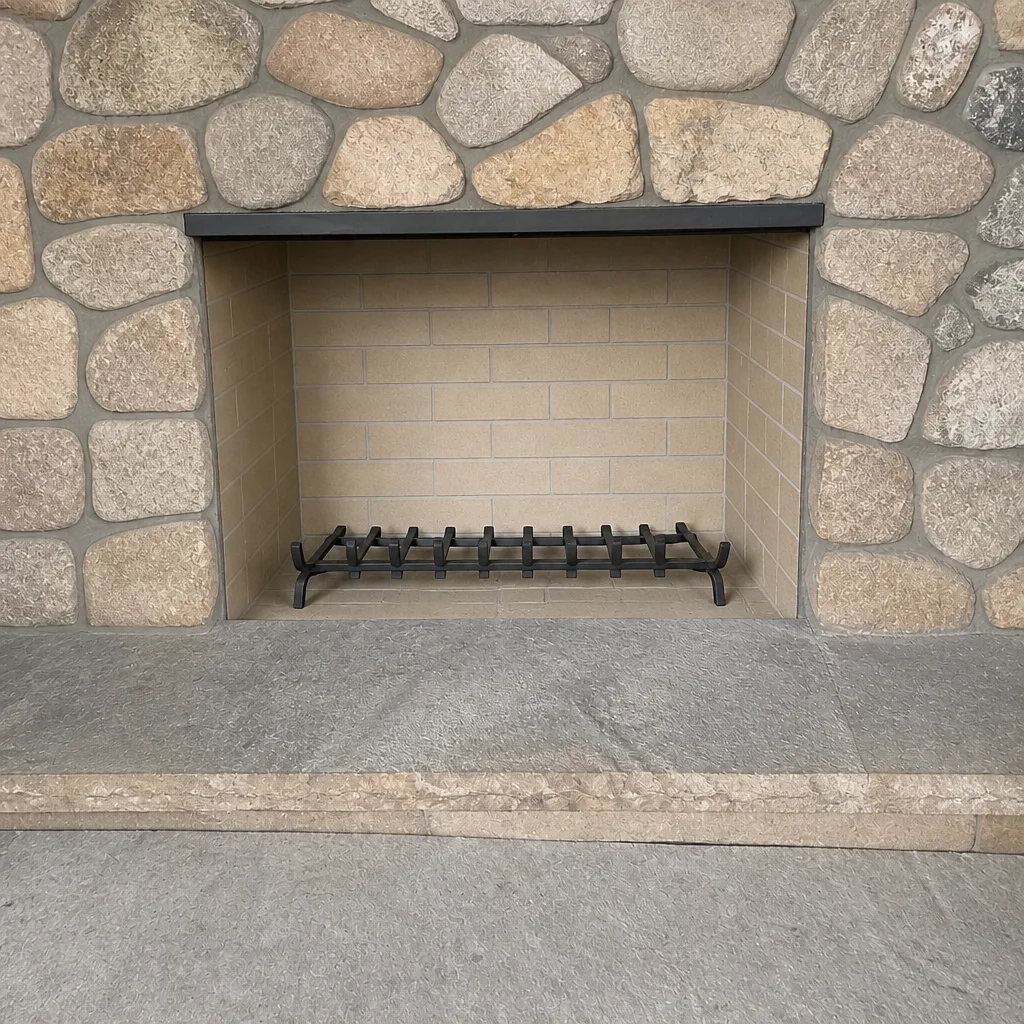
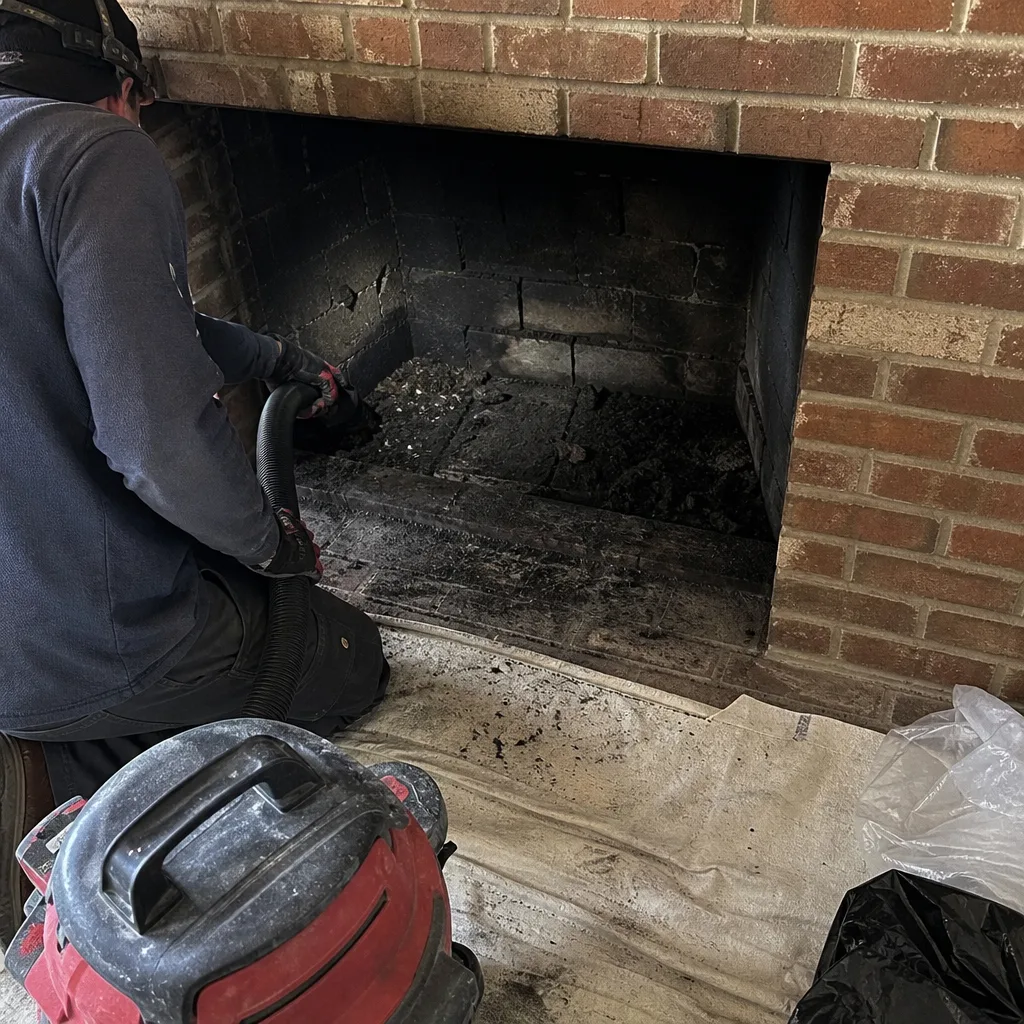
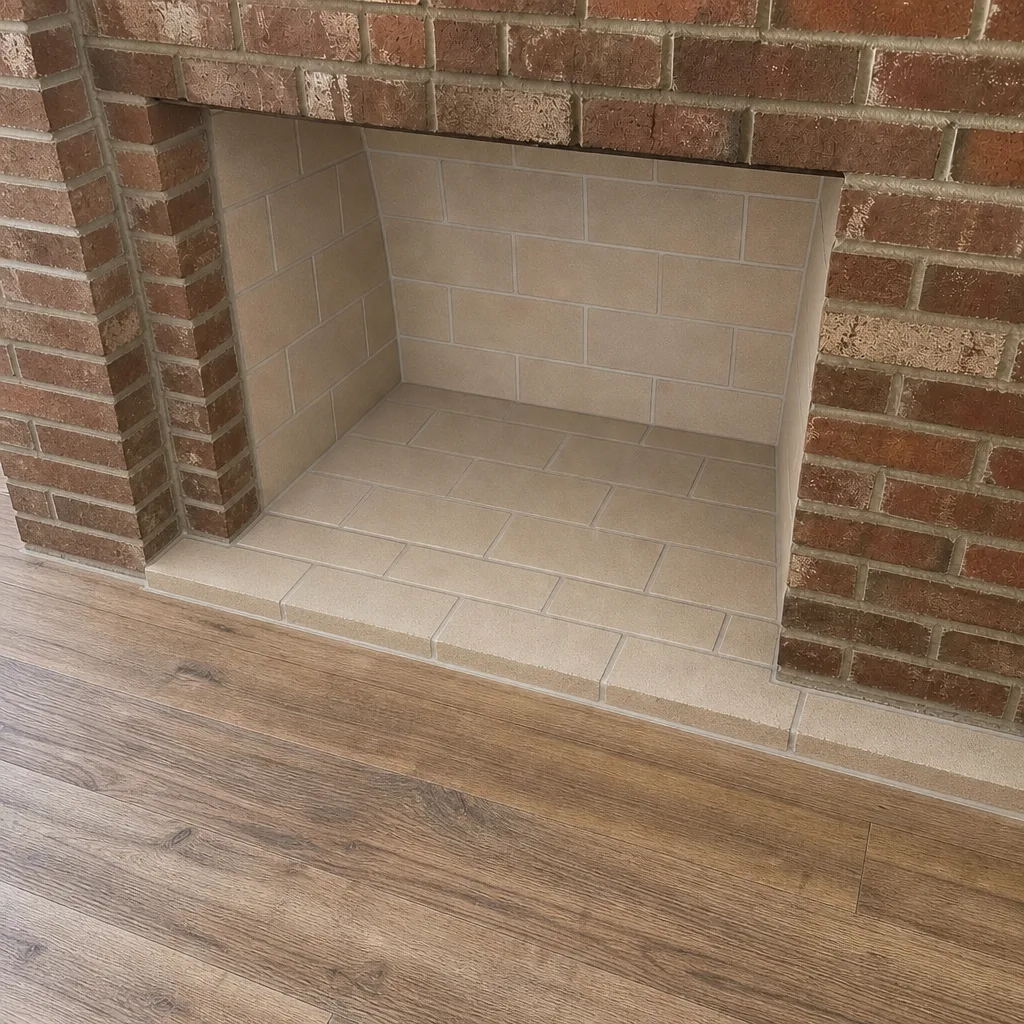
See the difference
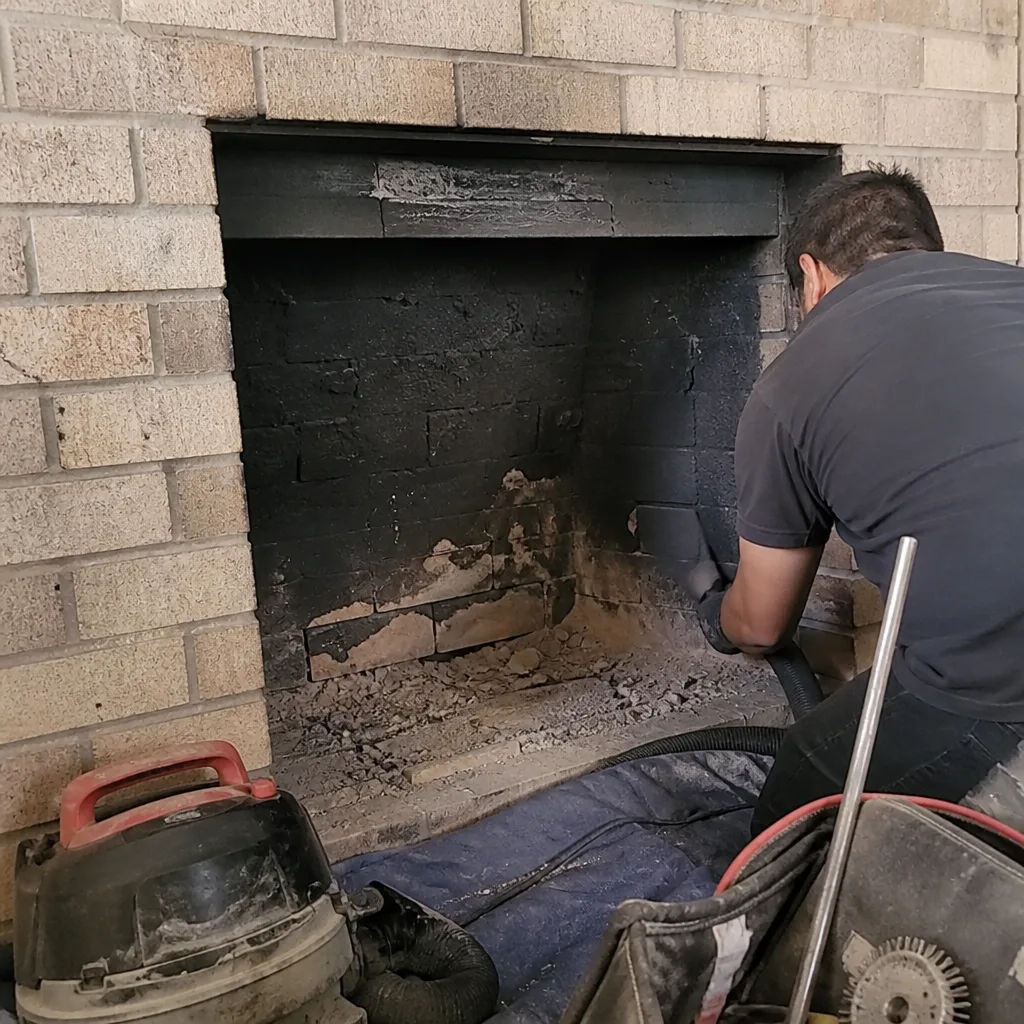 Before
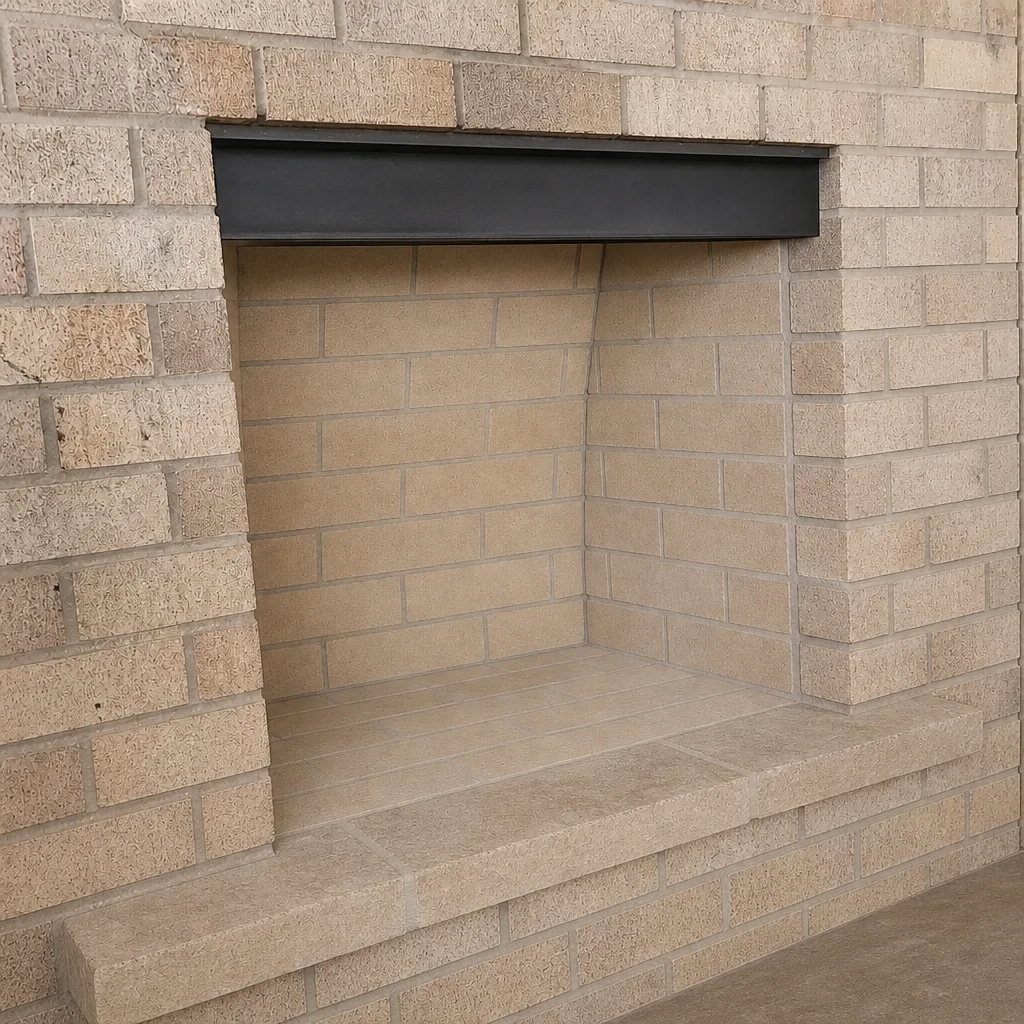 After
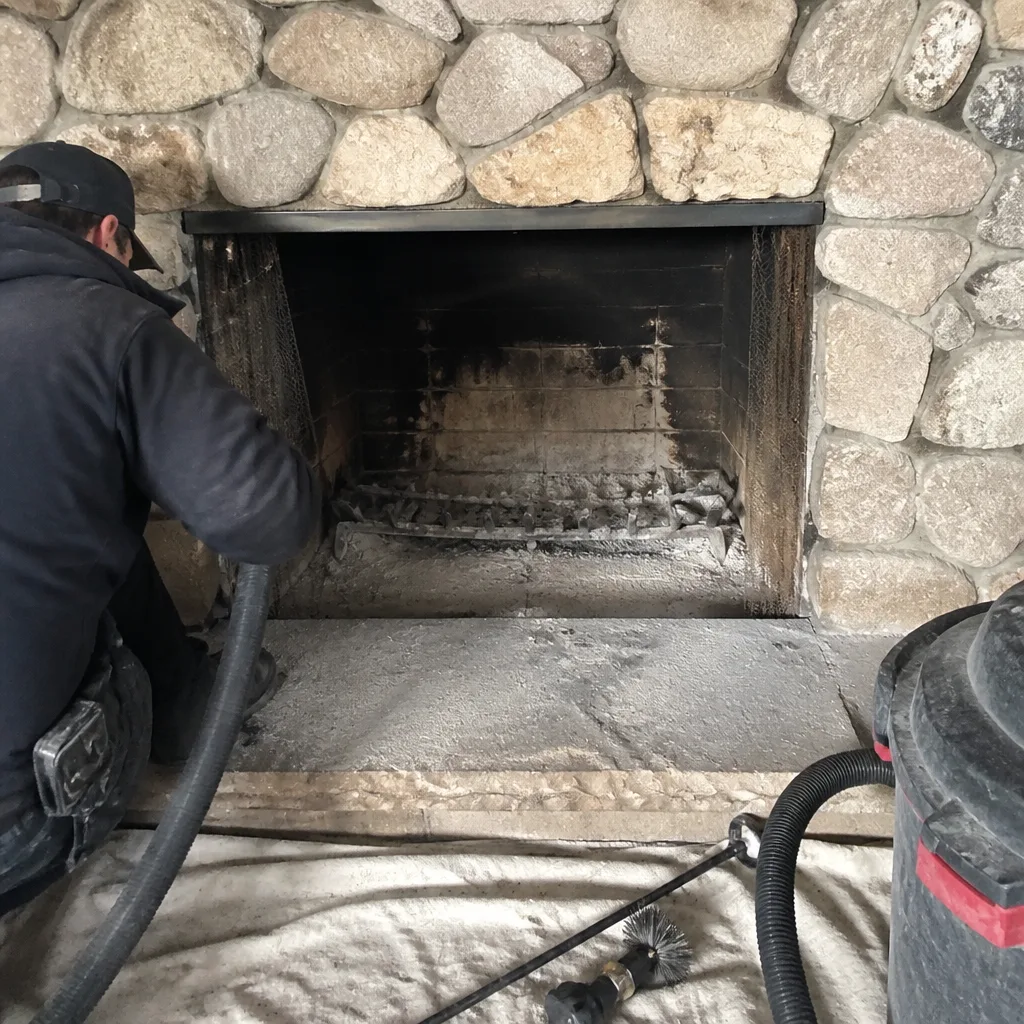 Before
 After
 Before
 After
When to Call a Professional
Call a professional when you notice visible deterioration: spalling brick, an uneven or cracked crown, staining on interior walls near the fireplace, or a smoky smell that appears in the room even when the fire isn’t going. Call when you’ve never had the chimney inspected and you’ve been burning wood season after season. Call when draft problems show up, when the fireplace smokes back into the room, or when you can’t see whether the flue above the damper is clear. Call when a contractor has given you a quote without naming the products they’ll use. Arvada homes get a lot of freeze-thaw load, and the small exterior problems tend to become structural ones. Arvada Chimney Sweep Pros offers free estimates in Arvada – call (877) 502-4468. We answer 24/7. Fast dispatch from 7am to 7pm, Sunday through Friday.
Frequently Asked Questions
Professional chimney sweeps in Arvada use HeatShield for ceramic flue resurfacing, DuraFlex for stainless liner systems, and Gelco or Famco for crown and cap components, alongside treatments for creosote removal. The cleaning step itself relies mostly on brushes and a camera. The brands matter in the repair and protection work that follows a sweep. If you’re comparing contractors, ask for those names specifically. Call (877) 502-4468 for an exact quote – estimates are free.
Creosote removal logs are worth buying only as a supplement to a regular sweep, never as a substitute for one. They soften light deposits so a brush can remove them, but they don’t remove creosote and they don’t touch glazed stage 3 deposits. A homeowner who relies on a log and skips the sweep ends up with heavier deposits and more expensive removal. The right sequence is inspection, sweep, and professional treatment if the camera report calls for it. Call (877) 502-4468 for an exact quote – estimates are free.
HeatShield is a ceramic flue resurfacing system engineered for the thermal cycling and chemical exposure inside a chimney flue. A generic flue sealer is a consumer-grade patch material, not a tested flue restoration system. On the right chimney, HeatShield can restore the seal without a full reline. A generic sealer is more likely to fail under the same conditions, and the failure happens where you can’t see it. Ask any contractor whether your flue is a candidate for resurfacing before you accept a full liner quote. Call (877) 502-4468 for an exact quote – estimates are free.
The brand of crown coating matters because the crown takes the full thermal and freeze-thaw load of every season, and a product not formulated for that will crack. Arvada’s overnight temperature swings work a crown hard. Gelco and Famco coatings are specified for the movement, so the crown survives the winter cycles instead of cracking after two seasons. A hardware-store masonry patch might hold for a season, but not for the years the chimney needs. Call (877) 502-4468 for an exact quote – estimates are free.
Yes, and you should. A written estimate can include the specific products the contractor will use, and asking for that spec is a fair and normal request. A professional will name the brand and the application, whether it’s HeatShield for the flue, Gelco or Famco for the crown, or DuraFlex for a liner. A contractor who can’t name the product isn’t working with a professional-tier material system. Call (877) 502-4468 for an exact quote – estimates are free.
Product brands matter less for a routine sweep than for a repair, because a sweep is mostly mechanical: brush, camera, containment. What matters for a sweep is a proper inspection and a report you can see. Brands become the whole conversation when the sweep uncovers a crown problem, a flue crack, or heavy creosote that needs treatment. The sweep is the entry point; the material spec is what protects the home afterward. Call (877) 502-4468 for an exact quote – estimates are free.
The Bottom Line
Chimney product brands matter because the materials are invisible until they fail. HeatShield for flue resurfacing, DuraFlex for liners, Gelco and Famco for crowns and caps, Olympia Chimney and Copperfield for components: these are the professional tier, and they’re specified for a reason. Generic substitutes and creosote removal logs occupy a different category, and they belong in a different conversation. Carry the material spec checklist into your next Arvada estimate, ask for the brand by name, and compare contractors on what they’ll actually install. When the repair holds through several winters, that’s the proof.
If a chimney sweep in Arvada has turned up a problem you can’t see, or you simply want a straight answer on which products your system needs, call Arvada Chimney Sweep Pros at (877) 502-4468 for a free estimate. We answer 24/7. Fast dispatch from 7am to 7pm, Sunday through Friday. We inspect it and fix it – same team, no referrals, and the written estimate sets the final price.
Written by the team at Arvada Chimney Sweep Pros.