
Last updated November 23, 2026
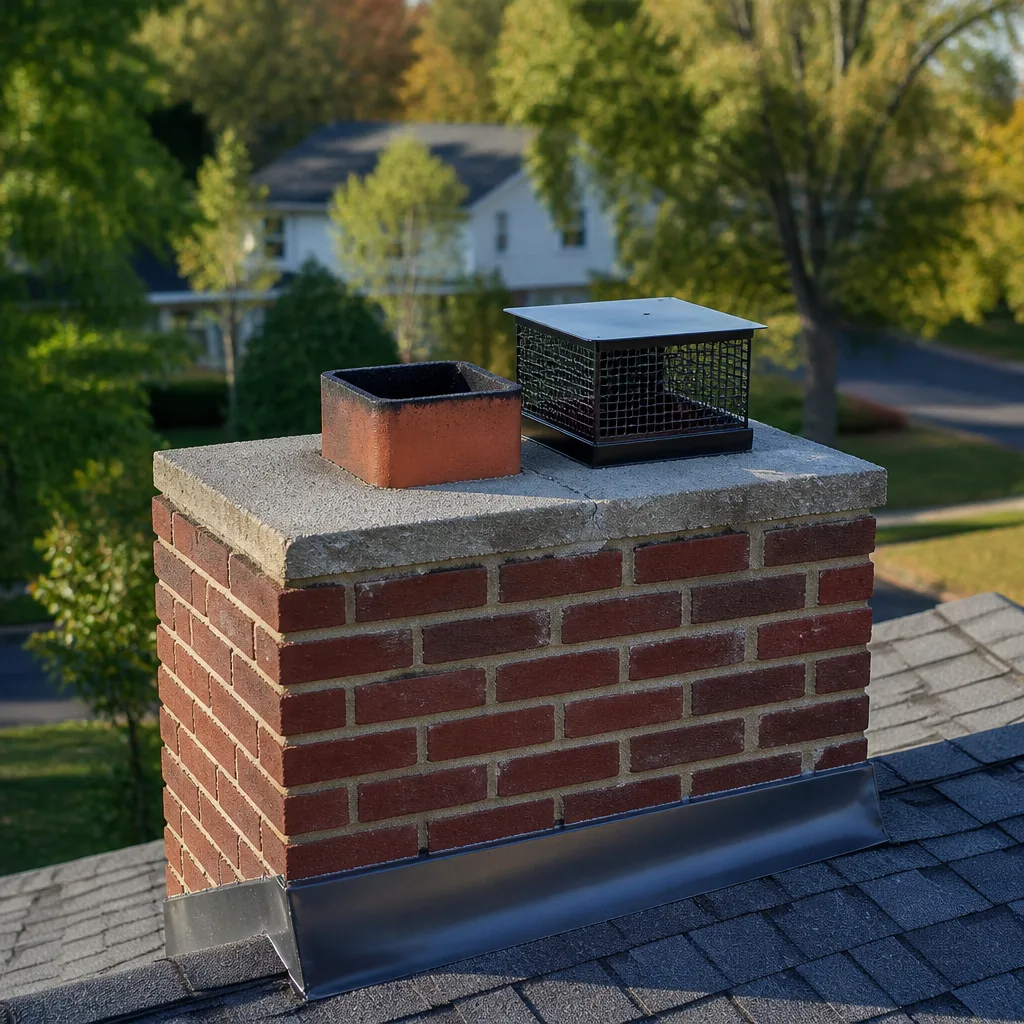 Sweep & inspection
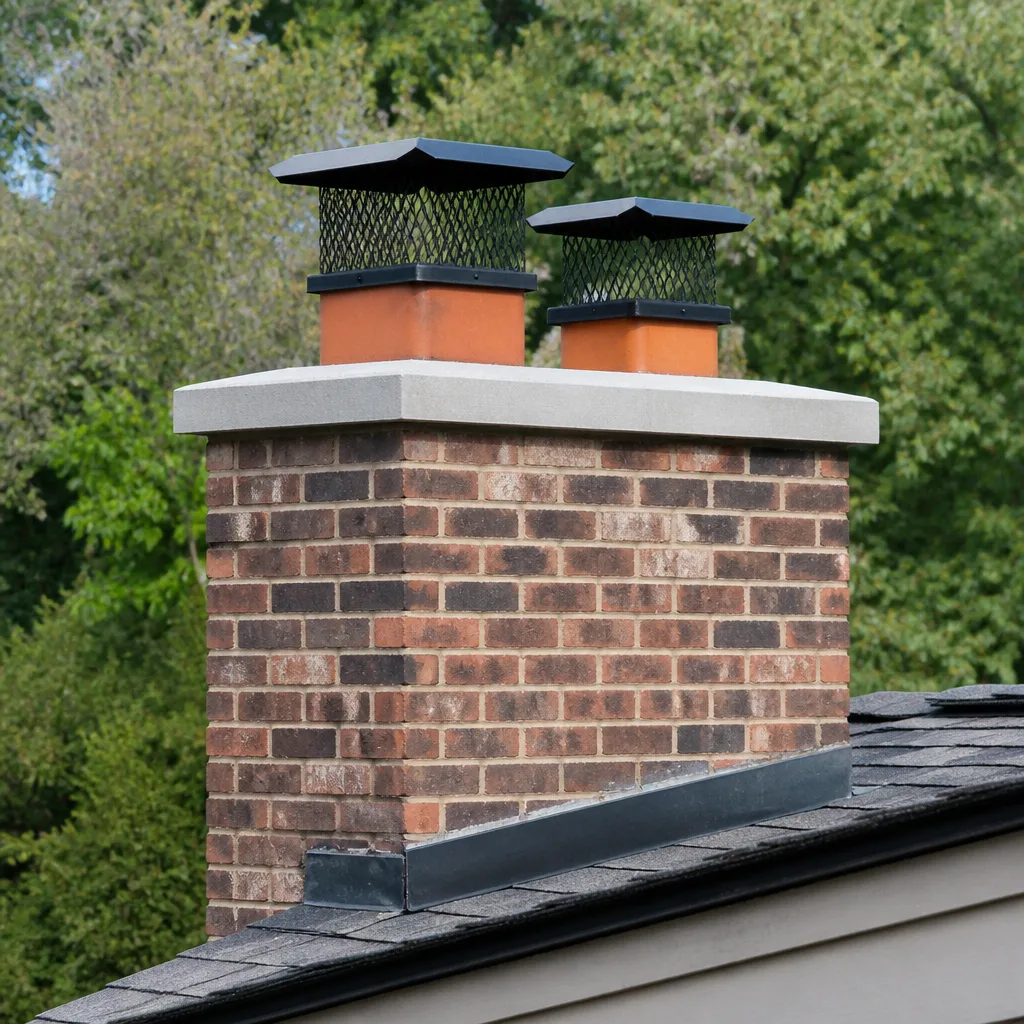 Caps & crowns
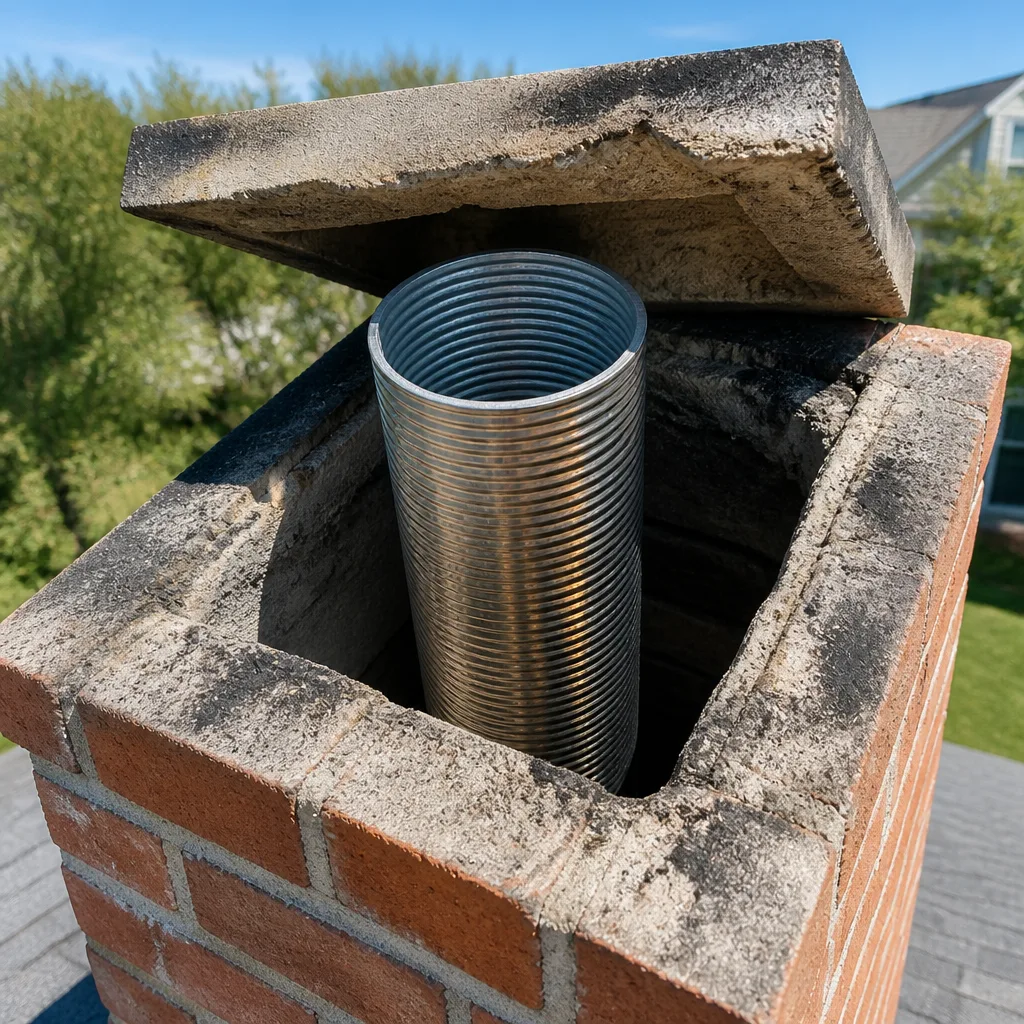 Flue relining
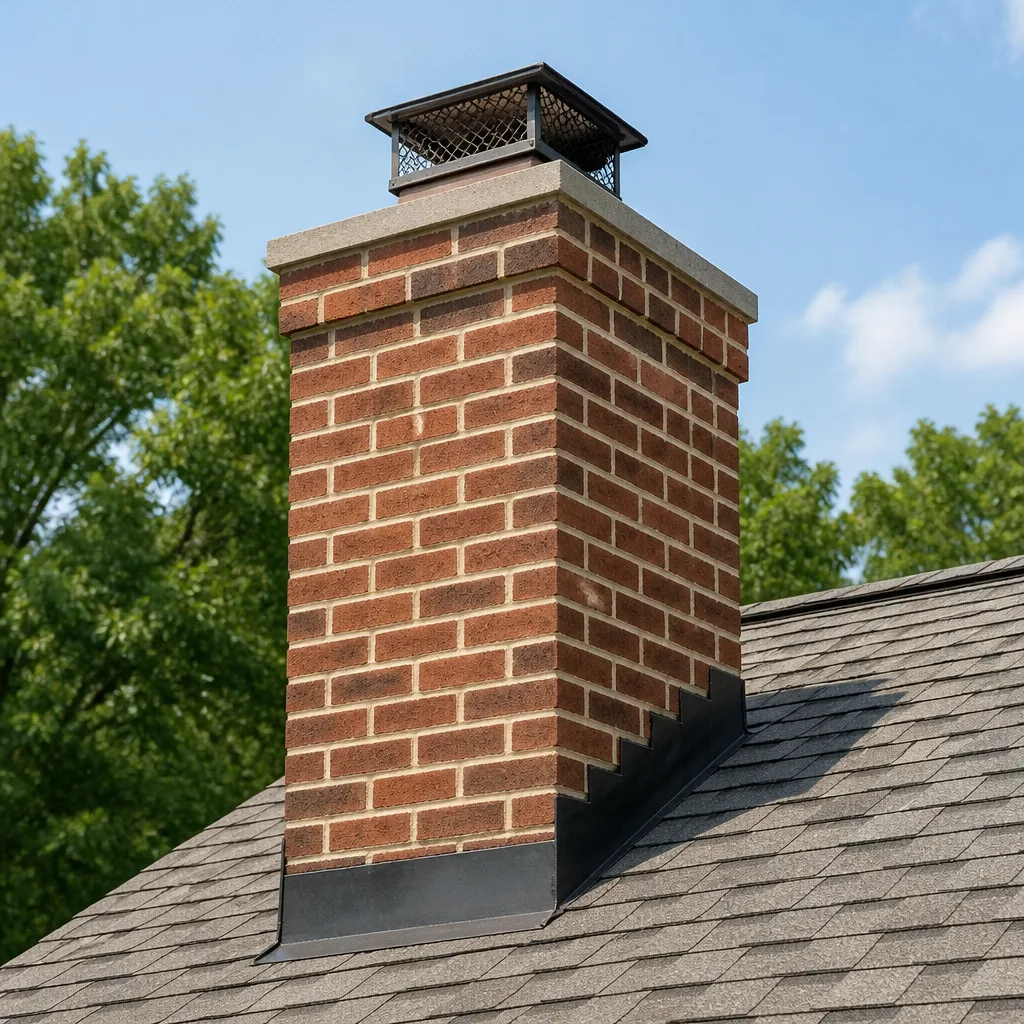 Masonry repair
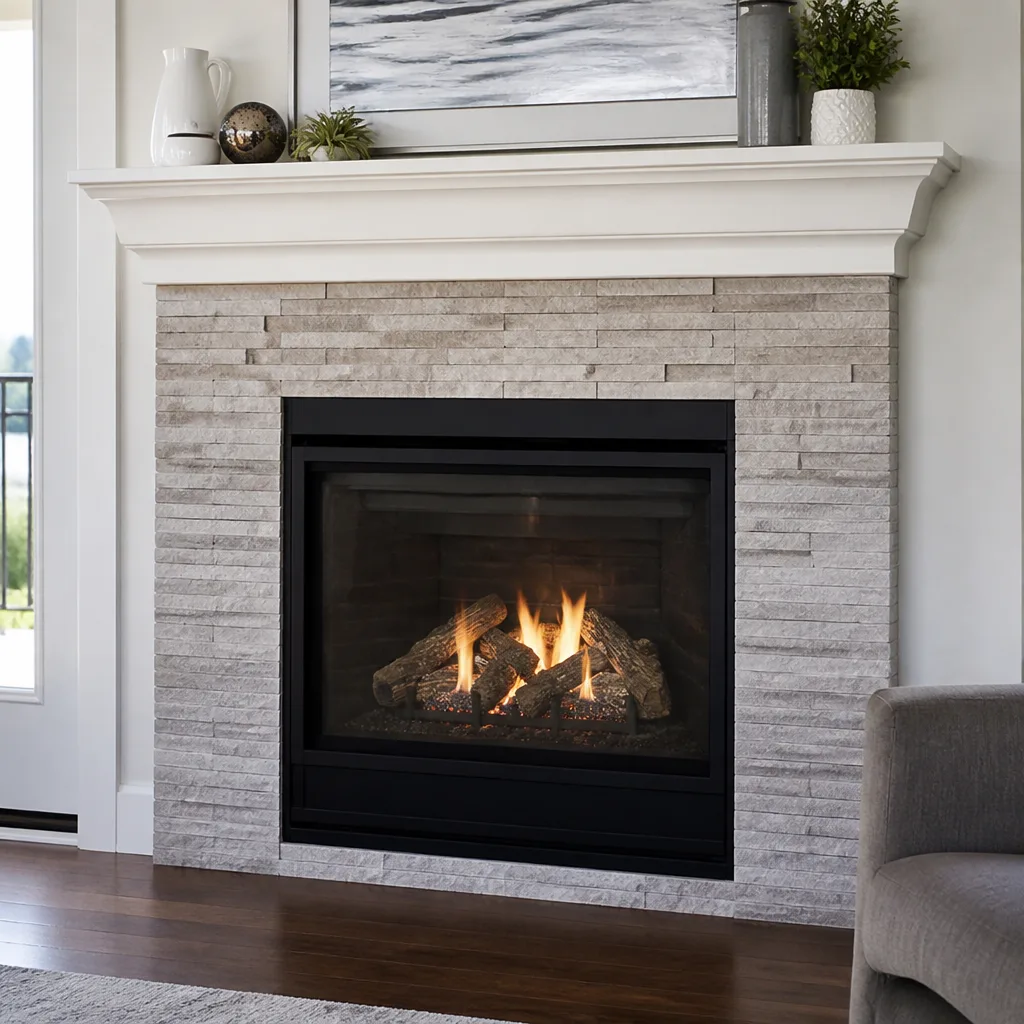 Gas fireplace service
Level 1 sweep and inspection to the NFPA 211 annual standard - flue, crown, cap, and flashing checked and photographed
Chimney sweep logs do not sweep chimneys. They loosen some creosote - which then falls where a brush and vacuum still have to collect it.
Chimney Cleaning Warning Signs: An Arvada Homeowner’s Reference Guide
Here’s a fact that surprises most Arvada homeowners: a smoky smell filling your living room on an 85-degree afternoon in July usually has nothing to do with creosote buildup. It’s a pressure problem, not a dirt problem, and sweeping the flue won’t touch it. Chimney warning signs only make sense once you know which part of the system is producing them. A rust streak, a white powdery stain, a cold draft on a January morning, and a smoky smell in August are four different conversations about four different components. This guide maps each symptom to its likely source, tells you which problems can safely wait for your next service, and flags the handful that mean you should stop using the fireplace today.
Quick Answer
Chimney cleaning warning signs fall into two groups: symptoms that mean the flue needs sweeping (a thick creosote smell, visible soot buildup, smoke rolling back into the room during a fire) and symptoms that mean a component is failing (white staining on the masonry, rust streaks on the cap, cold drafts from the firebox, or smoke escaping through seams). The second group is often misdiagnosed as a cleaning problem when it’s actually a structural or draft issue. In Arvada, our dry high-desert air and hard freeze-thaw swings accelerate masonry and crown wear, so staining and spalling deserve attention sooner than homeowners expect.
Styles & brands we work with
- Sweep & inspection
- Caps & crowns
- Flue relining
- Masonry repair
- Gas fireplace service
Table of Contents
- The Arvada Symptom-to-Source Matrix: Matching Warning Signs to the Right Fix
- What the Color of the Stain Tells You: White vs. Black vs. Rust
- Three Kinds of Smoky Smell and How to Tell Them Apart
- Why a Damper That “Works Fine” Can Still Cost You Heat
- Signs Inside the Firebox That Point to a Cracked Liner
- Time-Sensitive Warnings vs. Signs That Can Wait
- How Often Should an Arvada Chimney Be Swept?
- When It’s Time for a Full Evaluation
The Arvada Symptom-to-Source Matrix: Matching Warning Signs to the Right Fix
The single most common reason chimney problems go unresolved is that the symptom gets attached to the wrong component. Someone smells smoke, calls for a sweep, the sweep cleans the flue, and the smell returns the next time the weather shifts. The flue was never the issue. This matrix is the reference we wish every homeowner had before they picked up the phone.
- Thick, acrid smell that intensifies in warm weather with no fire burning: usually creosote vaporized by outside heat, or a draft reversal. Sweep if buildup is confirmed; investigate draft if the flue is clean.
- Smoke rolling back into the room when you light a fire: blocked flue, closed or partially closed damper, or negative pressure from another exhaust appliance. Needs a sweep and a draft check.
- White, powdery staining on exterior brick or mortar: efflorescence, meaning water is moving through the masonry and evaporating as salt crystals. Points to a failing crown, cap, or flashing, not a dirty flue.
- Black sooty staining on brick or the fireplace surround: chronic smoke spillage. Often a liner, damper, or flue-sizing issue.
- Rust streaks on the cap or firebox hardware: water intrusion, typically from a missing or damaged chimney cap.
- Cold drafts from the firebox when no fire is burning: a damper that doesn’t seal, or an open flue that’s pulling conditioned air out of the house.
- White powder deposits inside the firebox or flue: signs of liner deterioration or moisture reacting with the flue surface. Stop and get it inspected.
- Cracked or spalling brick on the chimney exterior: water damage from a compromised crown, often worsened by Arvada’s freeze-thaw cycles.
Read the matrix as a shortcut, not a diagnosis. Two symptoms can share a source, and one symptom can have two sources. But it narrows the conversation fast. When you call, describing the symptom accurately gets you a more focused evaluation than “the chimney’s acting weird.”
What the Color of the Stain Tells You: White vs. Black vs. Rust
Stain color is the most reliable quick diagnostic a homeowner can read without climbing a ladder. Each color comes from a different failure mode, and each points at a different part of the chimney system.
White staining (efflorescence)
That chalky, salty-looking powder on the exterior brick isn’t mold and it isn’t smoke residue. It’s efflorescence – water has moved through the masonry, dissolved salts as it traveled, and left crystals behind as it evaporated off the surface. In Arvada, where our spring meltwater and sudden freeze-thaw swings stress masonry repeatedly through the cold months, efflorescence almost always traces back to a water entry point: a cracked crown, a missing or undersized chimney cap, or failed flashing where the chimney meets the roof. The white stain itself is harmless; the water path behind it is what erodes brick and mortar over time. This is a chimney cap and crown conversation far more often than a cleaning one.
Black staining
Black soot deposits on the brick face, the mantel, or the surround mean smoke is escaping the firebox or the flue seam instead of going up the chimney. Sometimes the cause is as simple as a partially closed damper or wet firewood. Sometimes it’s a flue that’s undersized for the fireplace opening, or a liner with a compromised joint. Black staining that appears or worsens over a season is worth an inspection.
Rust streaks
Rust tells a water story too, but from a different angle. Rust on the chimney cap, the firebox damper assembly, or the top-sealing hardware means moisture is sitting where metal lives. A missing cap, a cap installed without proper clearance, or a crown that’s puddling water at the flue top will all produce rust. Left unaddressed, rusted hardware fails – and a rusted damper is a big part of the “heat loss” story in the next section.
If you’re seeing any of these three, the fix is usually in the exterior chimney structure or the cap-and-crown assembly – which is the piece most general handymen skip or underspec. Components like the copperfield cap and crown products we use are built for that job specifically.
Three Kinds of Smoky Smell and How to Tell Them Apart
A smoky smell in the house is not one problem. It’s at least three distinct ones, and confusing them is why so many homeowners get a sweep and then keep smelling smoke. Here’s how to separate them.
1. Creosote smell
Creosote is the tar-like byproduct of burning wood, and it has a sharp, acrid, almost chemical odor that’s most noticeable on warm days even when no fire is lit. That’s because warm outdoor air changes the pressure balance and can push creosote odor back down the flue. A thick creosote smell usually means the flue has accumulated enough buildup to warrant a sweep. Left long enough, creosote buildup is the primary fuel load in a chimney fire, which is the real reason sweeping matters.
2. Animal intrusion smell
If the smell is more musky or ammonia-like and shows up suddenly with no fire having been burned, you may have birds, squirrels, or raccoons that found their way in through an uncapped flue. Animal nests block draft and introduce material that isn’t meant to burn. A missing or damaged chimney cap is almost always the entry point. This isn’t a creosote problem and sweeping alone won’t solve it – you need the flue cleared and the cap replaced.
3. Moisture-related mildew smell
Mildew smells damp and earthy, and it tends to be strongest after rain or snowmelt. That’s water finding a way in – through the crown, the cap, or the flashing – and staying in the masonry or firebox long enough to grow mildew. This is the smell that points to the exterior chimney assembly, not the flue interior.
In our experience across Arvada, the trickiest diagnosis is when two of these overlap. A homeowner can have mild creosote buildup and a missing cap at the same time, and the two smells blur together. That’s one reason we photograph what we find and show you – so the recommendation is based on visible evidence, not a hunch.
Why a Damper That “Works Fine” Can Still Cost You Heat
The damper is the metal plate that opens and closes the flue. When a homeowner says “the damper works fine,” what they usually mean is “it still opens and closes.” But the test that matters isn’t whether it moves. It’s whether it seals.
A damper that closes but doesn’t seal leaves a permanent gap between your living room and the outside. In Arvada, where winter nights routinely drop well below freezing, that gap is a slow, constant heat leak. Warm interior air rises up the flue and out the top of the chimney all night, replaced by cold air pulled in through every crack and gap in your home’s envelope. It’s one of the most common causes of a fireplace room that feels cold even when the fire was burning an hour ago.
Signs your damper may be the source of the leak:
- A cold draft from the firebox when no fire is burning.
- The room feels colder than the rest of the house, especially on windy days.
- Smoke smell in the house after the fire has gone out.
- Visible rust or pitting on the damper plate or the frame around it.
- A damper that closes but rocks loosely, or leaves a visible gap along one edge.
Many dampers can be adjusted or reseated. Some need replacement, and in newer firebox assemblies a top-sealing damper is worth discussing – it seals at the very top of the flue rather than just at the firebox, which closes the leak path fully. That’s a conversation worth having with an inspection, because the right fix depends on the assembly you actually have.
Signs Inside the Firebox That Point to a Cracked Liner
The flue liner is the protective barrier between the fire and the surrounding structure. When it fails, the chimney still “works” – fires light, smoke rises – which is exactly what makes a cracked liner dangerous. The warnings are subtle, and they’re mostly visible inside the firebox or at the flue top.
Watch for these:
- Spalling on the firebox brick: the brick face flaking or peeling away in layers. Moisture and heat cycling do this, and it often shows up near the same time liner damage does.
- White powder deposits on the firebox walls or the flue top: not the efflorescence on the exterior, but chalky residue inside the firebox itself. It can signal that the flue surface is breaking down and reacting with moisture.
- Unusual smoke patterns: smoke that curls back toward the room before rising, drifts unpredictably, or “puffs” in pulses instead of drawing steadily up the flue.
- Visible seams, cracks, or gaps: in a clay-tile liner, look for horizontal cracks or missing mortar at the tile joints. In a metal liner, look for separation at the joints.
- Flue debris in the firebox: chunks of tile, flaking material, or powdery residue that dropped down from above.
Any of these is a reason to stop burning and have the flue evaluated – and ideally camera-inspected, so you can see the condition yourself rather than take it on faith. When the damage is moderate and the liner structure is still sound, a HeatShield ceramic flue repair can resurface the flue from the inside without tearing out a full liner. When it’s more extensive, a DuraFlex liner system is the standard replacement. We carry both capabilities because the right answer depends on what the camera shows, not on what’s easier to sell.
Time-Sensitive Warnings vs. Signs That Can Wait
Not every warning sign is an emergency. Treating the harmless ones as emergencies creates unnecessary stress, and treating the serious ones as harmless creates real risk. Here’s the split.
Stop using the fireplace and call a professional now
- A fire that won’t draw, or smoke rolling back into the room in volume.
- A rumbling or roaring sound from the flue during a fire – a chimney fire may be underway.
- Visible fire, sparks, or heat damage on the exterior of the chimney or roof.
- A strong smell of smoke in the house while a fire is burning or immediately after.
- Any suspected carbon monoxide alarm in the home, or symptoms like headache and dizziness while burning.
- Visible fallen debris in the firebox that came down from the flue.
- Cracked, separated, or missing liner material you can see.
These aren’t “call next week” signs. A source of combustion that isn’t venting properly is a fire and carbon monoxide concern, and it’s worth stopping use until it’s checked.
Address at the next scheduled service
- Thin, powdery white staining on exterior brick that isn’t growing.
- A creosote smell that’s mild and only noticed on warm days.
- Cold drafts from the firebox that don’t cause smoke problems.
- A rusty damper that still opens and closes.
- Faded or lightly blackened brick on the firebox face.
- A cap that’s intact but smells slightly musty after rain.
None of these should be ignored indefinitely, but none require dropping everything. Arvada’s climate puts a lot of stress on masonry, so “next scheduled service” means the next sweep or inspection, not “someday.”
How Often Should an Arvada Chimney Be Swept?
The general rule of thumb is once a year for a wood-burning fireplace in regular use, and more often if you burn heavily. But the honest answer is that the interval depends on how much you burn, what you burn, and what your flue looks like when it’s inspected. A homeowner who burns a cord of well-seasoned hardwood a winter may go longer between sweeps than someone burning green wood several nights a week.
Here’s how we recommend thinking about it:
- Annual inspection is the baseline. Even if the flue doesn’t need a full sweep, an inspection tells you what condition everything is in – liner, cap, crown, damper, firebox.
- Sweep on actual buildup, not the calendar. A flue with light soot doesn’t need a full sweep; a flue with a quarter-inch of creosote does. You want a sweep that checks before cleaning.
- Gas fireplaces still need attention. A gas fireplace doesn’t build creosote, but it still needs the venting checked and the firebox inspected – and debris, animal nests, and moisture still find their way in.
- After any water event or roof work, check the chimney. A crown that cracked, flashing that failed, or a cap that shifted will show up as staining within a season or two in Arvada’s freeze-thaw cycles.
- After a chimney fire, inspect before the next fire. Even a small chimney fire can cause liner damage that isn’t visible from the firebox.
If you’re not sure when you last had yours checked, that’s the answer. Call for an inspection. We’d rather tell you the flue is clean than sell you a sweep you don’t need. When it’s time for a proper cleaning, you can schedule a chimney sweep, and we’ll do a full evaluation of the system at the same time.
When It’s Time for a Full Evaluation
Many warning signs are single issues that a sweep and a cap repair can handle. But sometimes the pattern you’re seeing points to a system that needs a full look from cap to firebox – not just a quick sweep and a guess.
Signs it’s time for a full evaluation:
- You’ve had a sweep, but smoke or odor problems came back.
- Staining, rust, or spalling on more than one part of the chimney.
- The fireplace is hard to start, or draws poorly on cold mornings.
- You notice a cold draft from the firebox or an unusually cold fireplace room.
- You’ve had water intrusion, roof work, or animals in the chimney.
- A chimney fire, even a small one, has happened.
- You’ve never had the chimney inspected, or can’t remember when.
When we evaluate a chimney, we photograph what we find and walk you through it – liner condition, crown and cap, damper, firebox, and flue. That way the recommendation is grounded in what’s visible, and you can decide whether to fix something now or at the next service. Some repairs we can complete in the same visit; others can safely wait, and we’ll tell you which is which. If you own a masonry fireplace or a wood-burning insert, you can learn more about ongoing fireplace upkeep on our fireplace repair page, and structural chimney issues are covered in depth under chimney repair.
Common Mistakes to Avoid
- Assuming every smoky smell is creosote. A smoky smell in summer with no fire burning is usually a draft or pressure problem, and sweeping won’t fix it. Match the symptom to the season before you schedule.
- Ignoring white staining because it “washes off.” It does – and that’s the point. Efflorescence means water is moving through the masonry, and Arvada’s freeze-thaw swing will keep chipping away at the brick until the water path is closed.
- Treating the cap as optional. A missing or damaged cap is the most common entry point for water, animals, and debris. In Arvada, that’s water that gets into the crown and, over a winter or two, into the brick itself.
- Assuming a damper that closes is a damper that seals. A gap that looks small at the firebox leaks heat all winter. If your fireplace room runs cold, check the seal, not just the movement.
- Burning wet or unseasoned wood to “save money.” Green wood deposits far more creosote per fire. The buildup needs sweeping sooner, and the debris is harder on the whole flue.
- Calling the first company that quotes a liner replacement without seeing the flue. A cracked liner sometimes needs full replacement, but sometimes a HeatShield resurfacing is appropriate. Ask for camera evidence before saying yes to the bigger job.
- Fireplace maintenance as an afterthought. Fires are easy to light in November and easy to forget by April. If the inspection happens every fall before the first burn, most warning signs get caught before they turn into repairs.
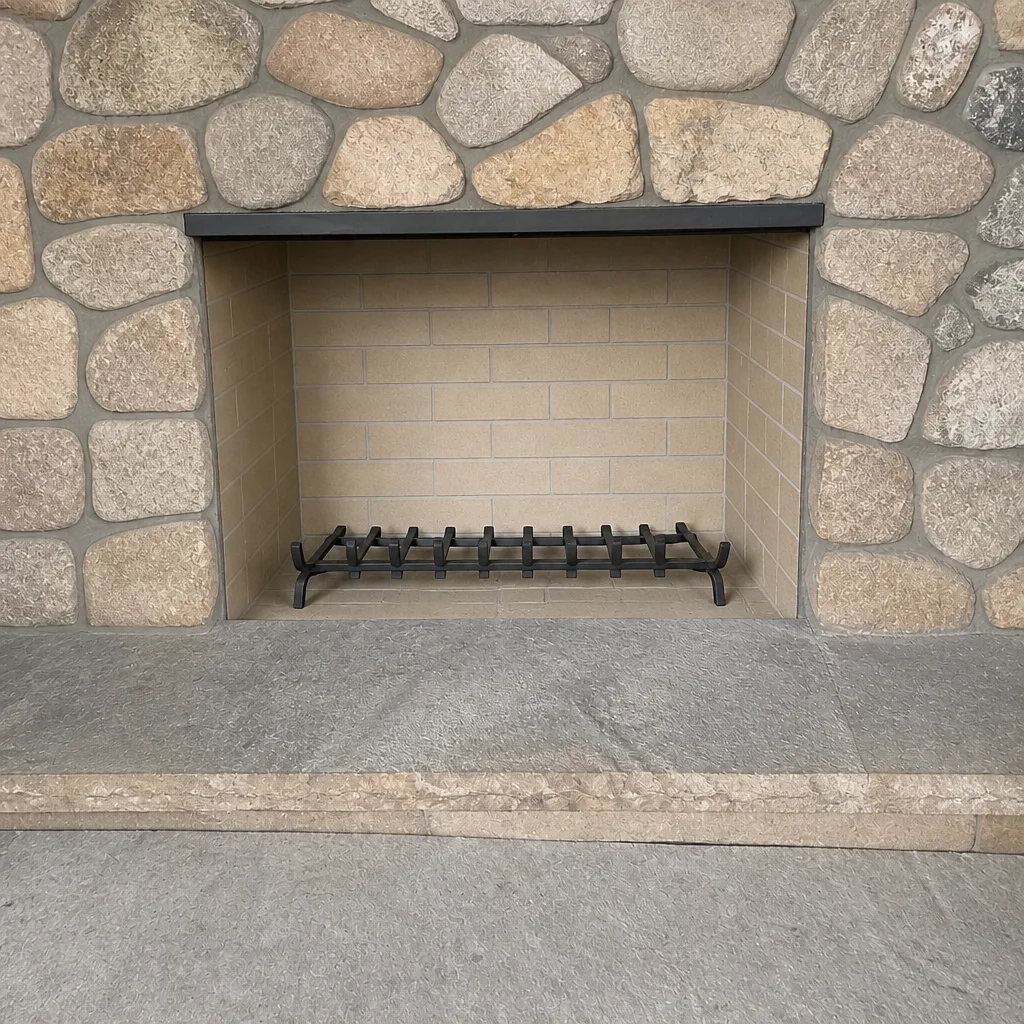
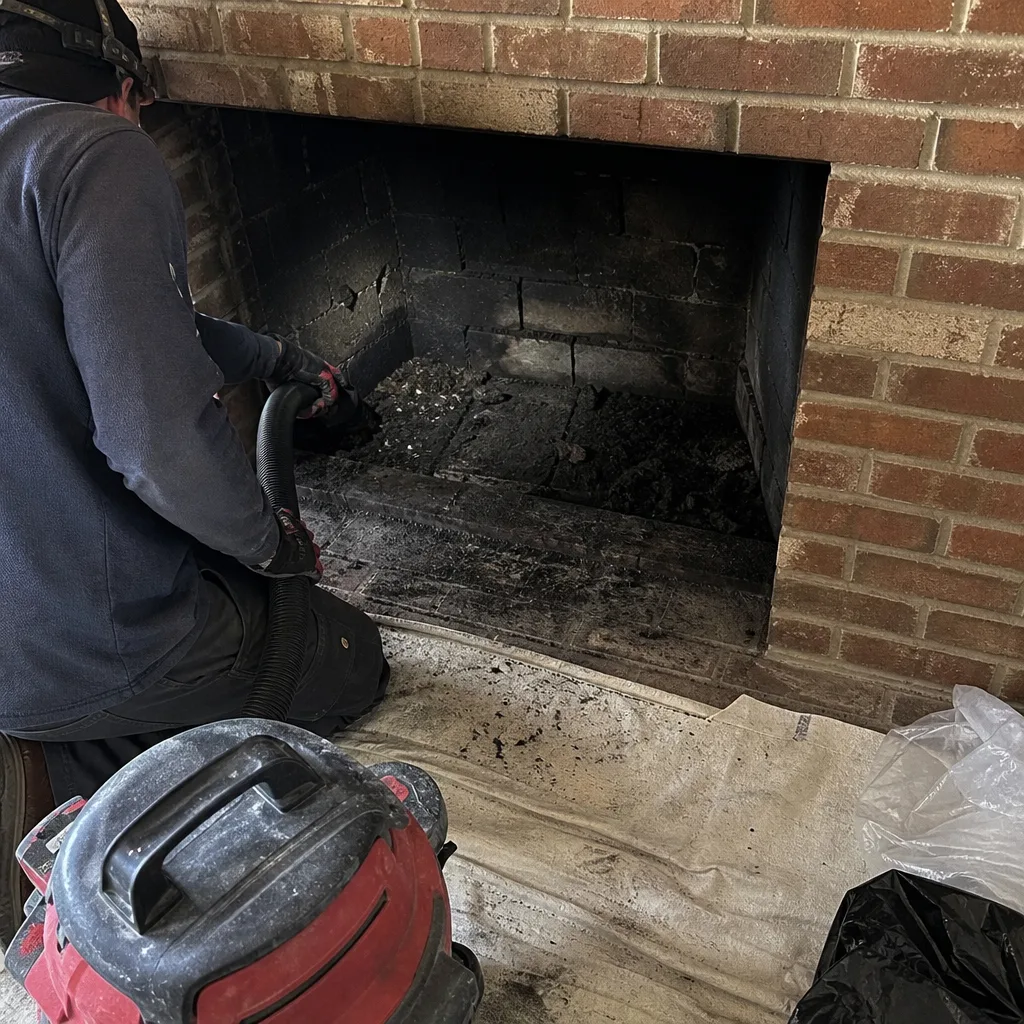
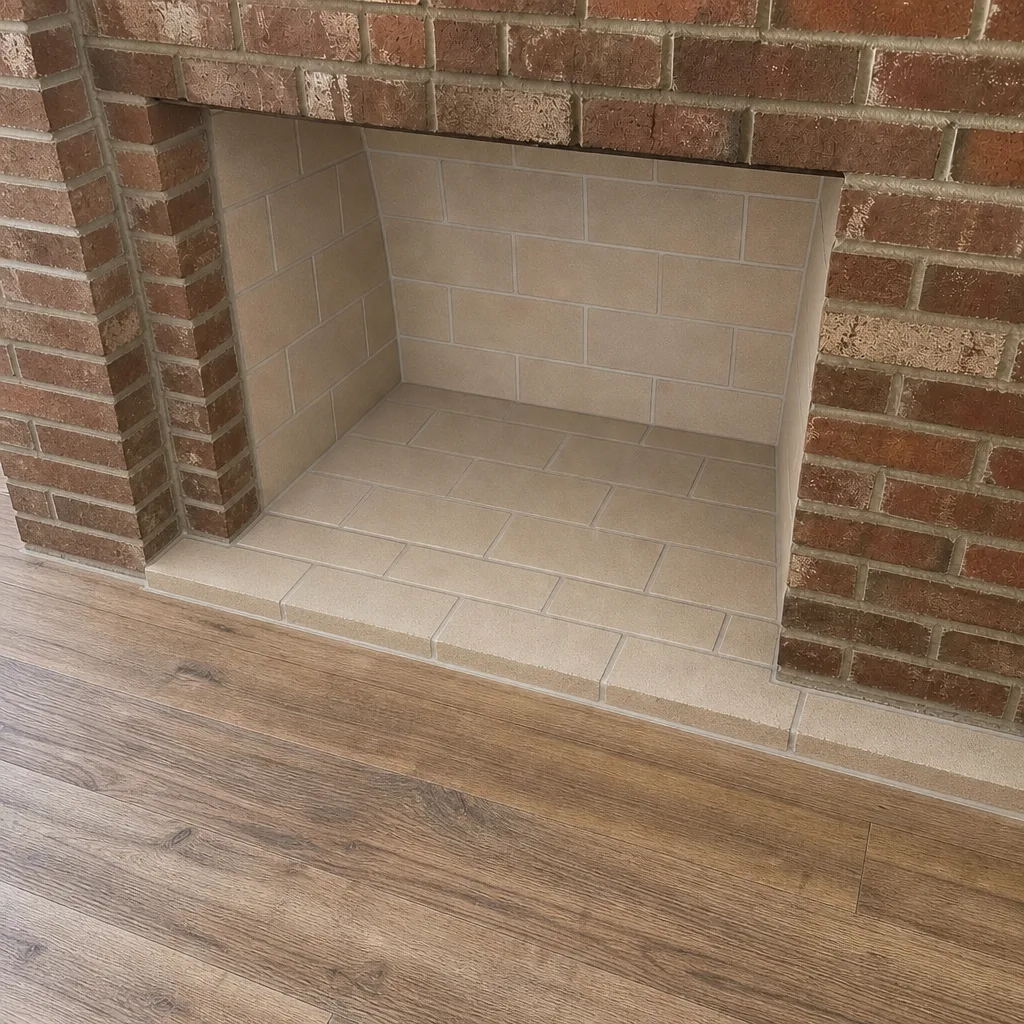
See the difference
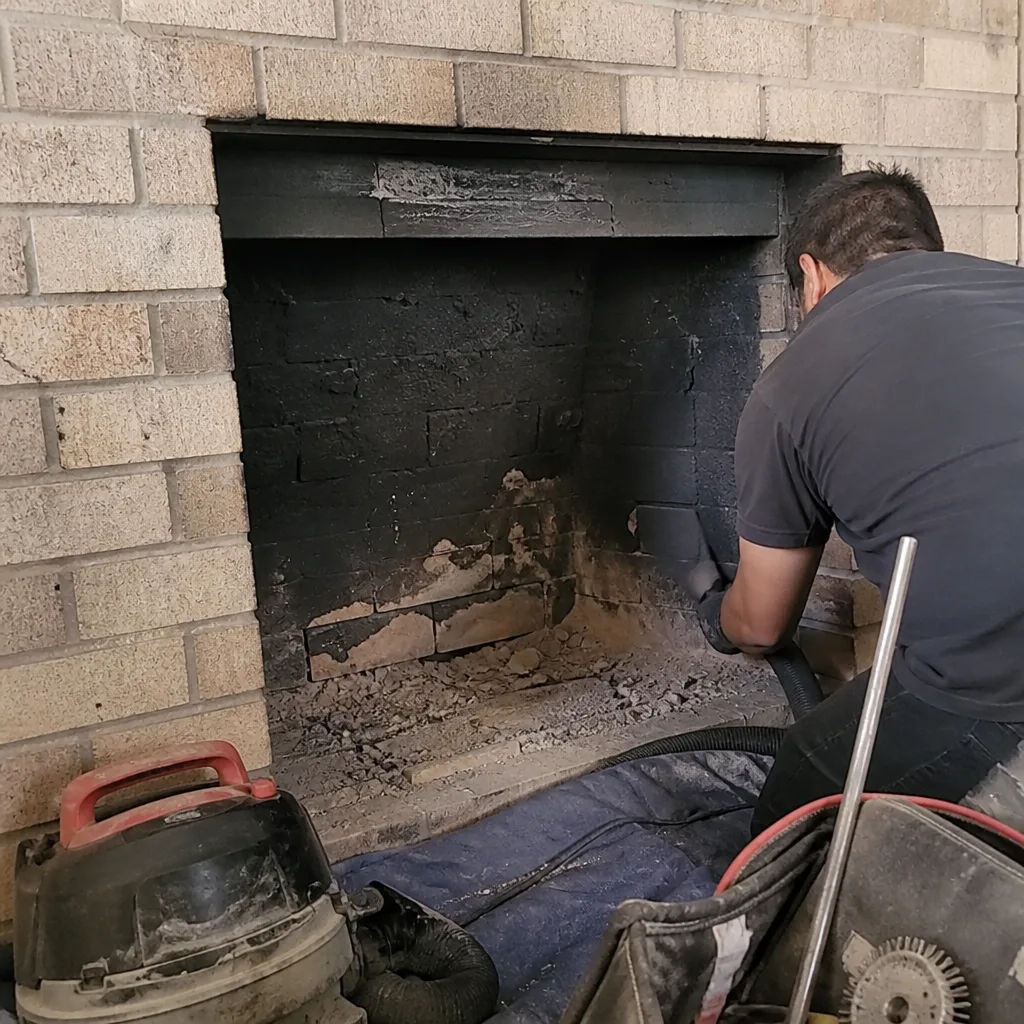 Before
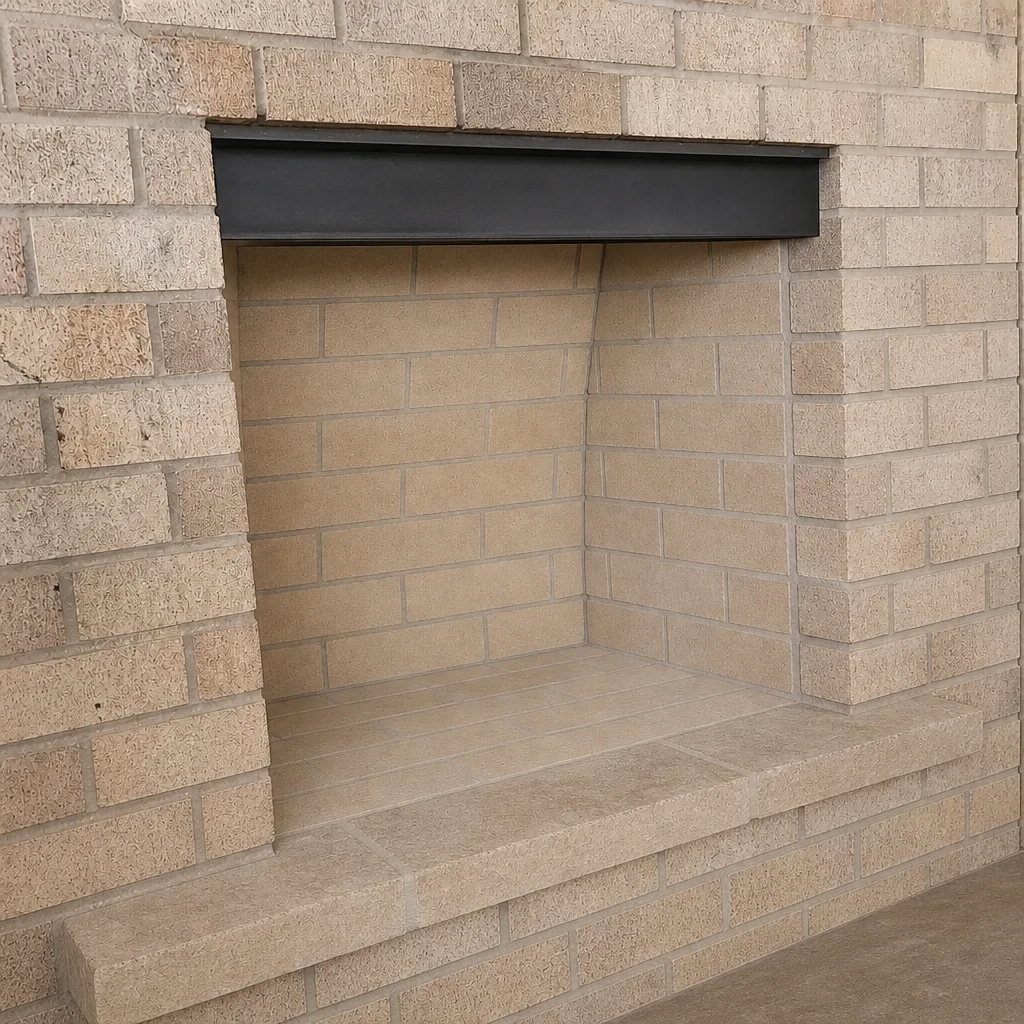 After
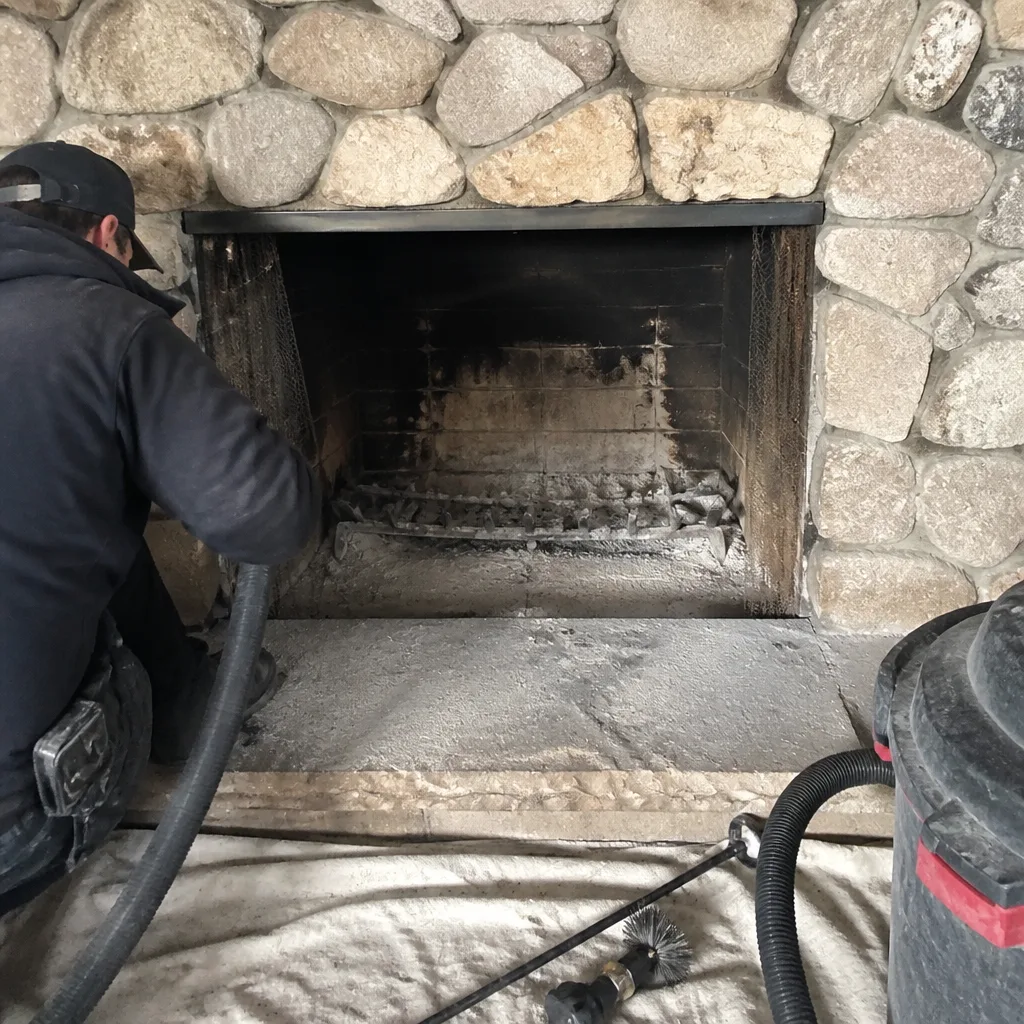 Before
 After
 Before
 After
When to Call a Professional
Call a professional if you’ve noticed smoke rolling back into the room, a rumbling or roaring sound from the flue, a strong smoky smell in the house, visible fallen debris in the firebox, or any signs of heat or flame damage on the exterior. Stop using the fireplace until it’s been inspected. Also call if you’ve got staining, rust, or spalling that’s grown over a season, or if your fireplace room stays cold or drafts persist even after the fire’s out. And if you’ve never had the chimney inspected, call for a baseline evaluation before the next burn season – it’s the cheapest way to know where the system actually stands. Arvada Chimney Sweep Pros offers free estimates in Arvada – call (877) 502-4468. Our technicians have up to 8 years of experience, and we work with recognized professional-grade brands including Olympia Chimney and DuraFlex.
Frequently Asked Questions
A standard chimney sweep in the Arvada area typically runs in the low-to-mid $200s for a straightforward wood-burning flue, with inspections and any cap or crown repairs priced separately by written estimate. Camera inspection is included so you see the flue condition yourself. Call (877) 502-4468 for an exact quote – estimates are free.
It almost always means one of two things: creosote odor being pushed back down by warm outdoor air (a draft reversal), or a pressure difference between your home’s interior and outside air. A sweep can clear light creosote buildup, but if the flue is already clean, the answer is a draft check, not another cleaning. Call (877) 502-4468 to schedule a diagnostic.
Sometimes the liner can be resurfaced with HeatShield ceramic flue repair rather than torn out and replaced. That works when the structural liner is still sound and the damage is surface-level. When the damage is deeper or the liner is compromised along its length, a full DuraFlex liner replacement is the correct fix. You should always see the camera footage before deciding. Call (877) 502-4468 for an evaluation.
At least once a year for a wood-burning fireplace in regular use, and more often if you burn heavily or use unseasoned wood. Arvada’s dry winters and freeze-thaw cycles also make an annual inspection worth doing even when the flue doesn’t need a full sweep, because water damage shows up between cleanings. Call (877) 502-4468 to schedule.
Yes, because the test is whether it seals, not whether it moves. A damper with a gap leaks heat up the flue all winter, which shows up as a cold fireplace room and higher energy use. We can check the seal and adjust or recommend a top-sealing damper if the assembly needs one. Call (877) 502-4468.
The most common outcome is creosote buildup, which increases chimney-fire risk over time. In Arvada, moisture damage from a cracked crown or missing cap is the second most common outcome, and it shows up as staining, spalling, or a rusted damper. Skipping maintenance doesn’t mean a problem tomorrow; it means warning signs that were obvious early become expensive later. Call (877) 502-4468 to get an honest evaluation.
The Bottom Line
Chimney warning signs are a diagnostic code, and the color, smell, and location of each one points to a specific part of the system. White staining means water. Black staining means smoke spillage. Rust means moisture. A smoky smell in summer means draft; in winter, it can mean draft or buildup. A cold draft from the firebox means the damper isn’t sealing. Inside the firebox, spalling or white powder means the liner needs a look. Serious warnings get attention now; minor ones can wait for the next service. Either way, an inspection with photos tells you what’s actually going on. Find us at Arvada Chimney Sweep Pros.
If any of the time-sensitive signs in this guide sound familiar, reach out. Call Arvada Chimney Sweep Pros at (877) 502-4468 for a free estimate. We answer 24/7. Fast dispatch from 7am to 7pm, Sunday through Friday. We inspect it and fix it – same crew, no referrals – using professional-grade materials that hold up to Arvada’s climate.
Written by the team at Arvada Chimney Sweep Pros.