
Last updated November 23, 2026
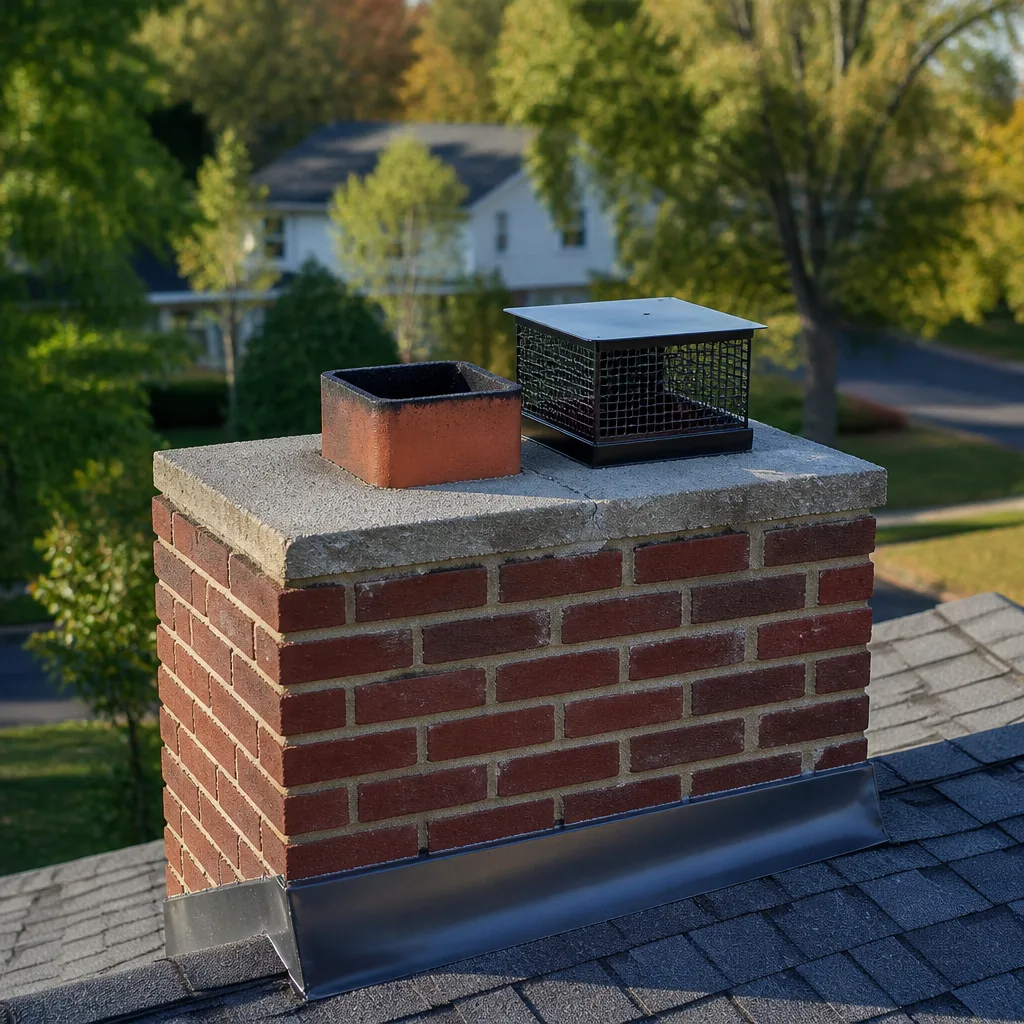 Sweep & inspection
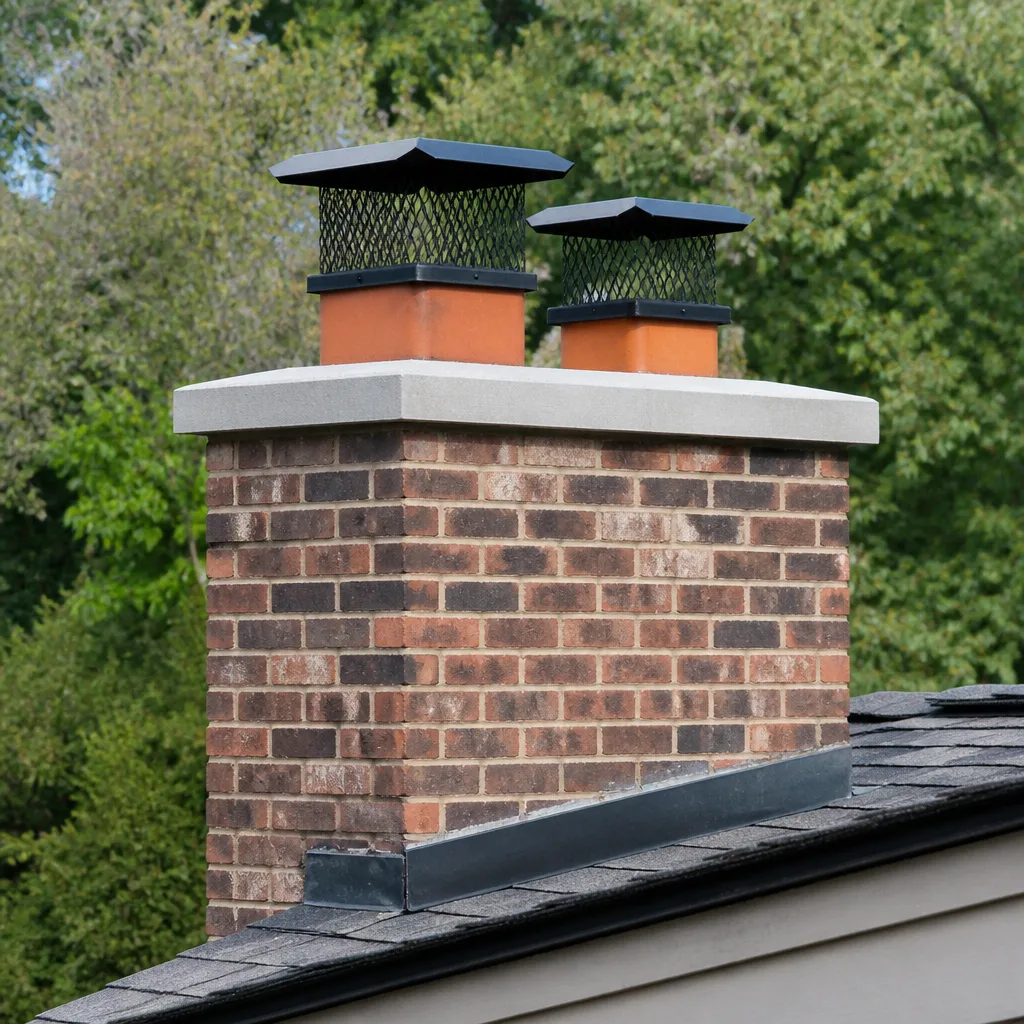 Caps & crowns
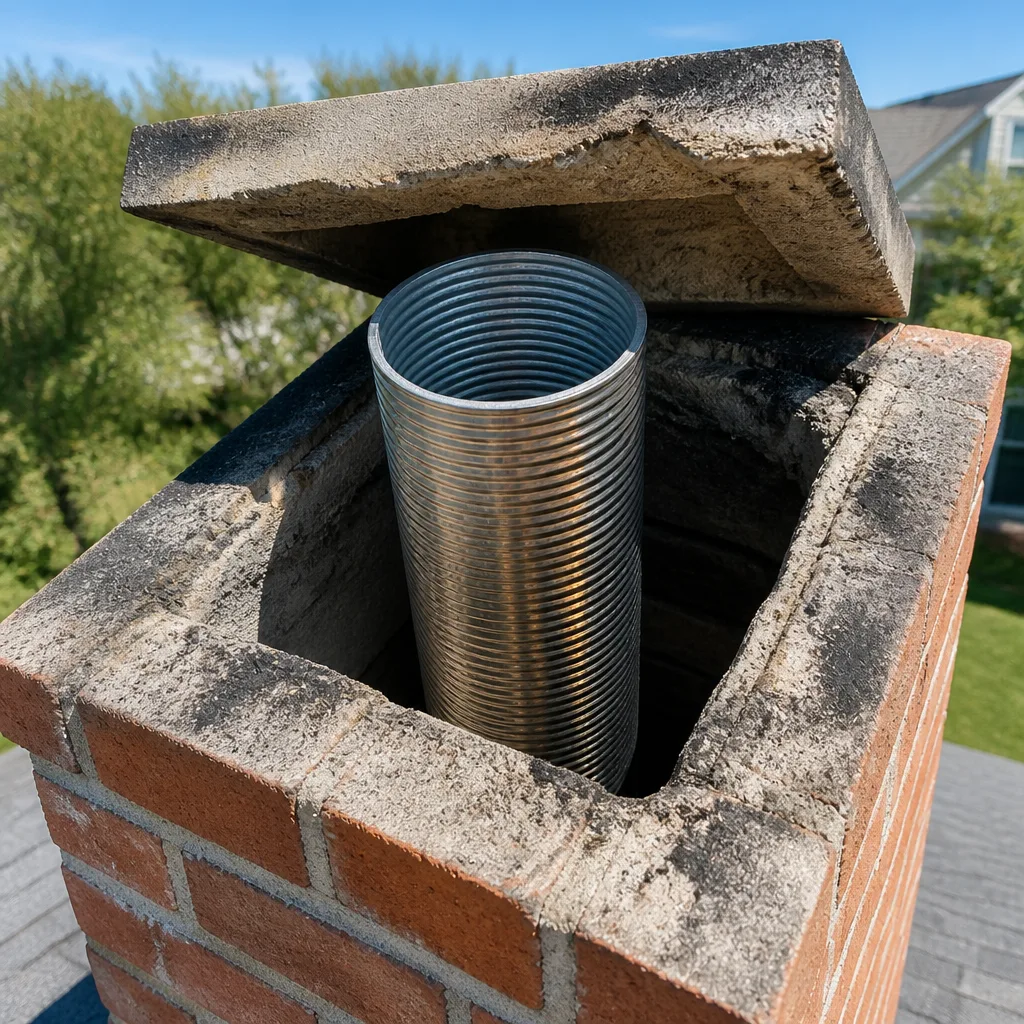 Flue relining
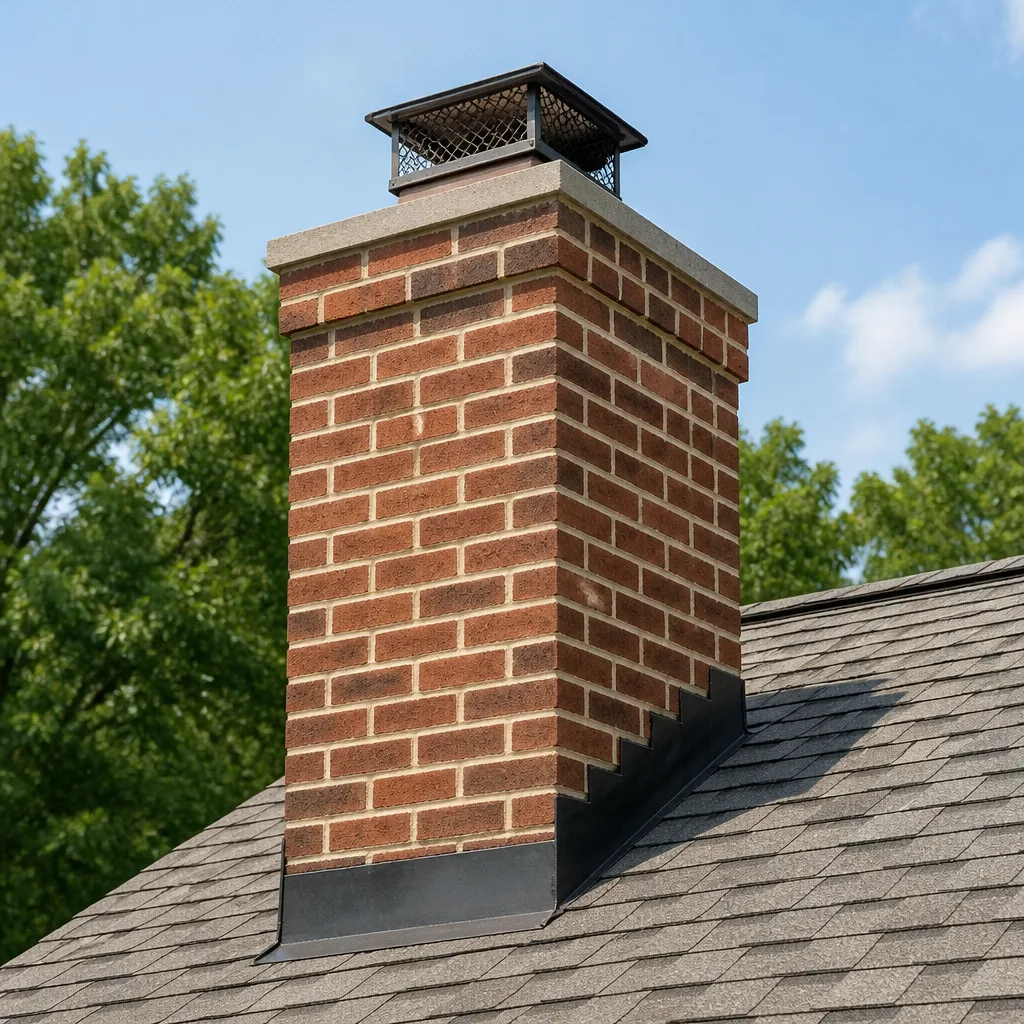 Masonry repair
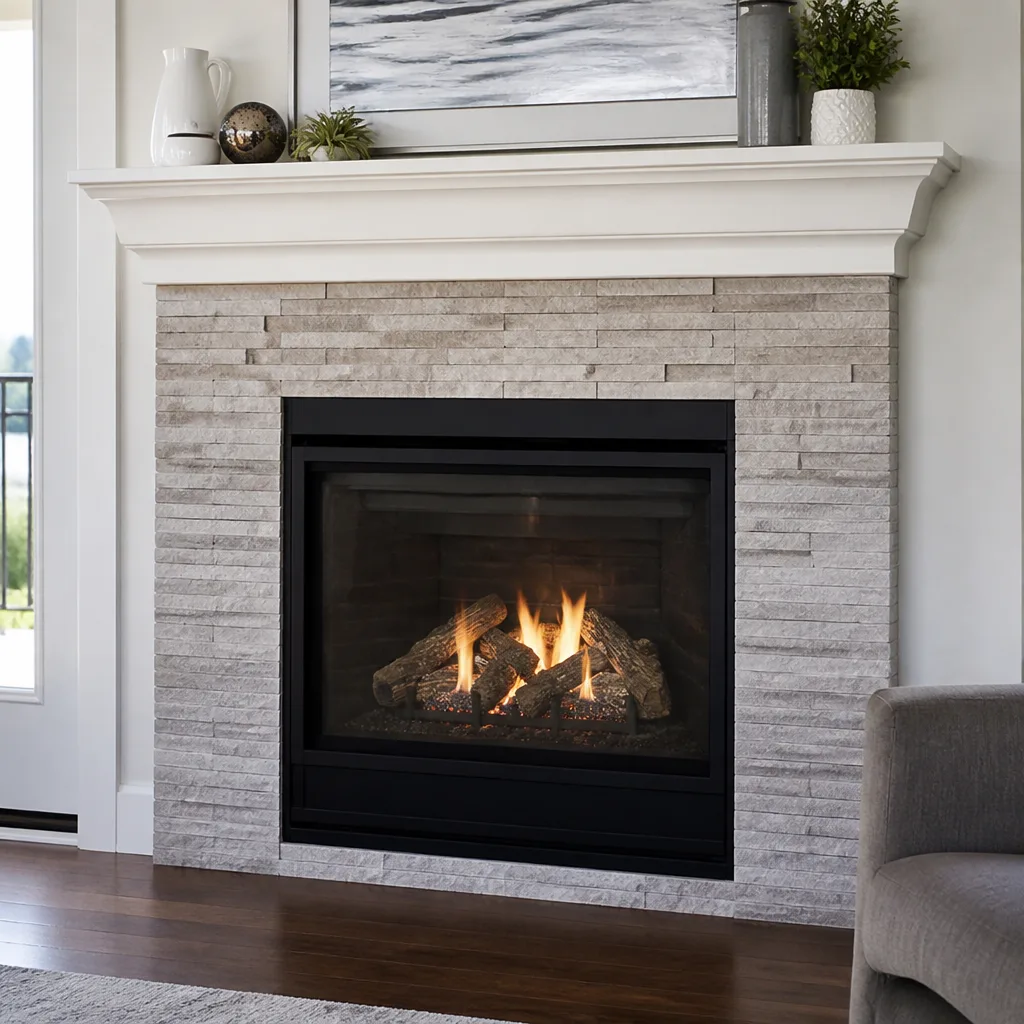 Gas fireplace service
Level 1 sweep and inspection to the NFPA 211 annual standard - flue, crown, cap, and flashing checked and photographed
Chimney sweep logs do not sweep chimneys. They loosen some creosote - which then falls where a brush and vacuum still have to collect it.
Chimney Cleaning Permits, Codes & Inspections in Arvada, CO: What You Need to Know
Here’s the scenario that catches more Arvada homeowners than any other: a sweep finds a cracked flue liner, quotes a relining job, and finishes it in a day. No permit was pulled. That liner is now a code-required structural repair completed without inspection, and if a fire or carbon monoxide problem traces back to it, your insurer isn’t obligated to pay. Most people assume the sweep is the regulated part of chimney care. It usually isn’t. The work that cleaning uncovers is where permits enter the picture. This guide draws the line between routine maintenance and the repairs that have to go through Jefferson County, explains what an inspection report actually means at a home sale, and shows you how to protect yourself before you sign an estimate.
Quick Answer
Chimney cleaning itself generally does not require a permit in Arvada. Structural chimney repairs – liner replacement, firebox rebuilds, crown replacement, and major masonry work – typically do require a permit and inspection through Jefferson County, because Arvada has adopted the International Residential Code (IRC) provisions for chimneys and fireplaces in Sections R1001 through R1003. Always confirm with the city’s building department before work starts, and ask any contractor whether they’re pulling a permit for your job.
Styles & brands we work with
- Sweep & inspection
- Caps & crowns
- Flue relining
- Masonry repair
- Gas fireplace service
Table of Contents
- Where chimney work crosses the permit line in Arvada
- How the IRC applies to your fireplace and chimney
- CSIA inspection vs. a Jefferson County inspection
- Inspection reports and real estate transactions
- How unpermitted work gets discovered and what it costs
- Why Arvada’s climate matters for chimney condition
- A step-by-step permit checklist for homeowners
- Common mistakes to avoid
Where Chimney Work Crosses the Permit Line in Arvada
The simplest way to think about it: maintenance keeps the system in the condition it was built to, and repair changes or restores the structure. Cleaning, sweeping, cap replacement, and visual inspection sit firmly in the maintenance category. Relining, rebuilding a firebox, replacing a crown that has separated from the flue, and reconstructing masonry above the roofline all move into permitted repair territory.
In our experience across Arvada, the confusion comes from the fact that a sweep and a repair can happen in the same visit. A technician arrives for a routine chimney sweep, finds spalling brick inside the firebox, and quotes a rebuild on the spot. That’s legitimate as a quote. It’s not legitimate to complete a structural rebuild without a permit.
Here’s how to sort a proposed job into the right category:
- Almost always maintenance: sweeping, brushing, and vacuuming the flue; removing creosote; inspecting with a camera; installing or replacing a chimney cap; minor mortar touch-ups at the crown edge.
- Usually permitted repair: installing a new stainless liner (DuraFlex or similar); applying HeatShield ceramic flue resurfacing; rebuilding the firebox; replacing the crown when it’s tied to flue reconstruction; repairing or replacing damaged masonry above the roof.
- Depends on scope: damper replacement, hearth extension work, and chase cover replacement. Ask the building department specifically about your job rather than assuming either way.
The safest habit is to ask, “Will this job require a permit in Arvada?” before you approve any estimate over a few hundred dollars. A professional who works in Arvada regularly can answer that question without hesitation. Someone who can’t is telling you something.
How the IRC Applies to Your Fireplace and Chimney
Arvada has adopted the International Residential Code, and Sections R1001 through R1003 are the parts that govern chimneys and fireplaces. R1001 covers masonry fireplaces and their chimneys. R1002 addresses factory-built fireplaces, which is what most newer Arvada homes have. R1003 covers masonry chimney construction, including clearance to combustibles, flue sizing, and the crown and cap requirements.
You don’t need to memorize the code. You do need to understand what it’s for, because it explains why permits exist in the first place. These sections set clearances between the chimney and wood framing, minimum flue size relative to the fireplace opening, and requirements for spark arrestors and caps. Every one of those is a life-safety provision. A chimney built or repaired without meeting them can still look perfectly fine from the living room and still be a fire hazard inside the wall cavity.
Two practical points follow from this for Arvada homeowners:
- Liner replacement is a code event, not a product swap. A new liner has to be sized and installed to R1002 and R1003 standards. That’s exactly the kind of work a permit and inspection are designed to verify.
- Clearances matter after any repair. When masonry is rebuilt or a flue is resurfaced, the clearances to nearby framing have to hold. HeatShield flue restoration, for instance, is a code-compliant alternative to full relining when the existing flue structure is sound and sized correctly – but “when structurally appropriate” is the operative phrase, and that determination is what an inspection documents.
If you’re planning chimney repair of any structural kind, ask your contractor to confirm the work will meet IRC R1001 through R1003 and to pull the permit. The written estimate should say so.
CSIA Inspection vs. a Jefferson County Inspection: What’s the Difference?
A CSIA inspection is an industry-standard evaluation of your chimney’s condition, performed by a certified chimney professional and graded Level 1, 2, or 3 depending on how much of the system needs to be examined. A Jefferson County inspection is a legal step in the permitting process, performed by a county or city inspector to verify that permitted work meets code. They serve completely different purposes, and homeowners routinely conflate them.
Here’s the distinction in practice:
- Who performs it: a CSIA-certified technician for the condition inspection; a municipal code inspector for the permit inspection.
- What it evaluates: the condition inspection evaluates the whole chimney system and produces a report with photos; the permit inspection verifies a specific permitted repair against code requirements.
- What it’s for: the condition inspection tells you what needs fixing; the permit inspection confirms the fix was done to standard.
- What it doesn’t do: a CSIA inspection does not satisfy a permit requirement, and a county inspection is not a substitute for an annual condition check.
Both matter, and they happen at different times. Your CSIA inspection comes first and tells you whether permitted work is even needed. The county inspection comes after the repair and closes the permit. A professional-grade inspection report should include a camera inspection of the flue and photos you can look at yourself, because we’ve found that the most common homeowner concern isn’t the price of a sweep – it’s being told they need thousands of dollars of liner work with no way to verify it. Nothing should be recommended that isn’t backed by camera evidence you can see.
Chimney Inspection Reports and Real Estate Transactions in Arvada
If you’re buying or selling a home in Arvada, a chimney inspection report can trigger a permit requirement before closing. That’s the part most buyers and sellers don’t see coming. A Level 2 inspection – the standard for a real estate transaction because it includes the attic, crawlspace, and accessible portions of the chimney exterior – may uncover unpermitted structural work, a cracked liner, or a firebox that has been rebuilt without documentation.
What happens next depends on what the report finds:
- Condition issues only. A cracked crown or missing cap is a negotiation item, not a permit issue. The seller can fix it or credit the buyer; no county involvement required.
- Evidence of a structural repair without documentation. If the report shows a relined flue or rebuilt firebox with no permit record, the buyer’s lender may require it be resolved before closing. That means a retroactive permit and inspection.
- Active safety hazard. A liner with gaps or a chimney with failed clearances is a real hazard, and the buyer’s insurance company may refuse to write a policy until it’s corrected. That correction is permitted work.
For sellers, the takeaway is to get an Arvada Chimney Sweep Pros inspection before listing. For buyers, it’s to request the permit history along with the inspection report. A clean inspection report with a documented permit trail is a much stronger position than a report that raises questions nobody can answer.
How Unpermitted Chimney Work Gets Discovered and What It Costs
Unpermitted chimney work is usually discovered during a home sale, and it’s discovered because a professional opens up the system and sees something that doesn’t match the record. The buyer’s inspector pulls the permit history, the report shows a new liner or a rebuilt firebox, and there’s no permit on file. At that point the seller is negotiating from a bad position.
The resolution follows a predictable path:
- Retroactive permit application. The owner applies with the county for a permit on work already completed. Some jurisdictions allow this, some require an engineering report, and some require the work to be opened up for inspection.
- Inspection of the existing work. A county inspector evaluates the completed repair against IRC R1001 through R1003. If the work is compliant, the permit closes. If it isn’t, it has to be corrected.
- Correction if needed. This is where costs can climb, because a bad liner install or a firebox rebuilt without proper clearances may need to be removed and redone.
- Documentation for the file. The closed permit and the inspection report become part of the home’s record and satisfy the buyer’s lender and insurer.
There’s also the insurance side. If a chimney fire or carbon monoxide incident traces back to unpermitted structural work, your insurer has grounds to deny the claim. That’s not a scare tactic – it’s how policy conditions work. The permit is your evidence that the work was done legally and to standard.
Why Arvada’s Climate and Housing Stock Matter for Chimney Condition
Arvada sits at the foot of the Front Range, which means freeze-thaw cycles that work on masonry in a way homeowners elsewhere never see. Water gets into a hairline crack in the crown, freezes overnight, expands, and widens the crack. Repeat that through a Colorado winter and a small crown issue becomes a crown replacement. That’s why cap and crown work matters so much here – a properly fitted cap and a sound crown are the primary defense against water intrusion, which is the most common cause of chimney deterioration in this climate.
Arvada’s housing stock compounds it. The city has a real mix of older masonry chimneys in established neighborhoods and factory-built systems in newer construction, and each has different weak points. Older masonry chimneys in Arvada are more likely to need flue resurfacing or relining; newer factory-built systems are more likely to have cap and chase cover issues. Most of the work we recommend in Arvada falls into one of those two buckets.
One practical note for the burning season: get the inspection done before the first fire, not after. A chimney that’s been sitting through a Colorado summer has had months of freeze-thaw, rain, and possibly nesting activity. That’s the inspection window that catches problems while there’s still time to act on them without urgency.
A Step-by-Step Permit Checklist for Arvada Homeowners
Use this sequence for any structural chimney work in Arvada. It removes the guesswork and keeps the paperwork clean.
- Get a condition inspection first. A Level 1 or Level 2 CSIA inspection with camera documentation tells you what actually needs to be done, before anyone quotes a repair.
- Ask whether the proposed work requires a permit. Liner replacement, firebox rebuilds, crown replacement tied to flue work, and masonry repair above the roof usually do. Ask the city’s building department directly if you’re unsure.
- Get a written estimate that states the permit status. The estimate should say whether a permit is required and who is pulling it. The written estimate sets the final price.
- Confirm the permit is pulled before work starts. Ask for the permit number. Don’t accept “we’ll handle it” without documentation.
- Schedule the county inspection. The contractor should arrange it, and you should confirm the inspection happened and the permit closed.
- Keep the paperwork. Permit number, inspection report, and material documentation (DuraFlex, HeatShield, Famco, or Copperfield products, for example) all belong in your home file.
- Book an annual sweep and inspection to maintain the record. A documented maintenance history makes any future sale or insurance claim easier to support.
The whole sequence is simple, and it’s the difference between a chimney system with a clean paper trail and one that raises questions at the worst possible moment.
Common Mistakes to Avoid
- Assuming the sweep covers the permit. A cleaning visit doesn’t include permitting, and a contractor who finishes a relining job without a permit has left you holding the risk. Ask separately.
- Treating a CSIA inspection as a permit inspection. They’re different things, performed by different people, for different reasons. A clean CSIA report doesn’t close a permit.
- Skipping the inspection before listing a home. Arvada buyers request permit history, and unpermitted work found during closing negotiations is far more expensive to resolve than a pre-listing inspection would have been.
- Approving a liner replacement without camera evidence. A cracked liner is a real and common finding, but you should see the footage yourself before approving thousands of dollars of work. A professional who can’t show you the evidence is asking you to trust a diagnosis you can’t verify.
- Letting a contractor self-inspect structural work. The county inspection is the point of the permit. Work that’s completed and never inspected has no legal record that it meets IRC R1001 through R1003.
- Ignoring small crown damage until spring. In Arvada’s freeze-thaw pattern, a hairline crown crack gets worse every winter. Small crown repairs are far cheaper than the masonry work a failed crown causes.
- Assuming your homeowner’s policy covers unpermitted work. It generally doesn’t, and a denied claim after a chimney fire is a life-changing financial event. The permit is cheap insurance against that outcome.
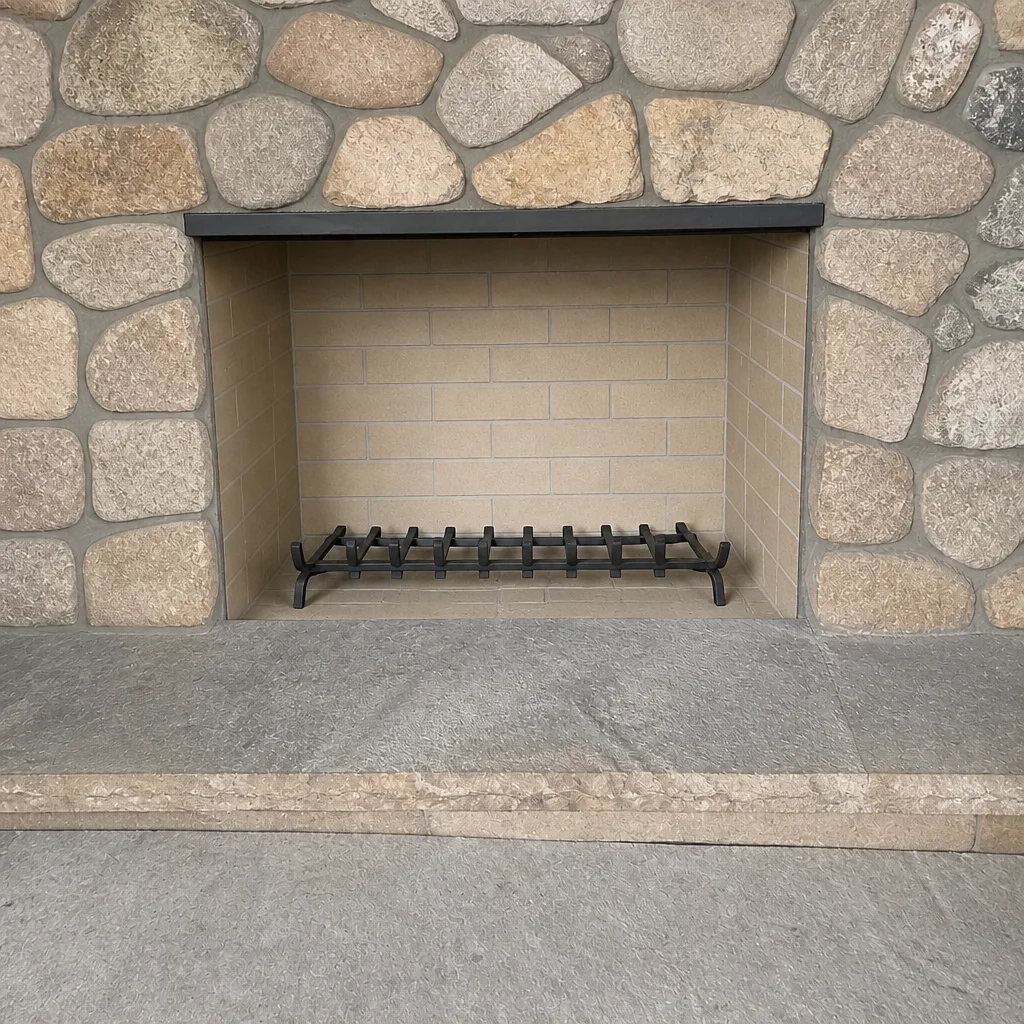
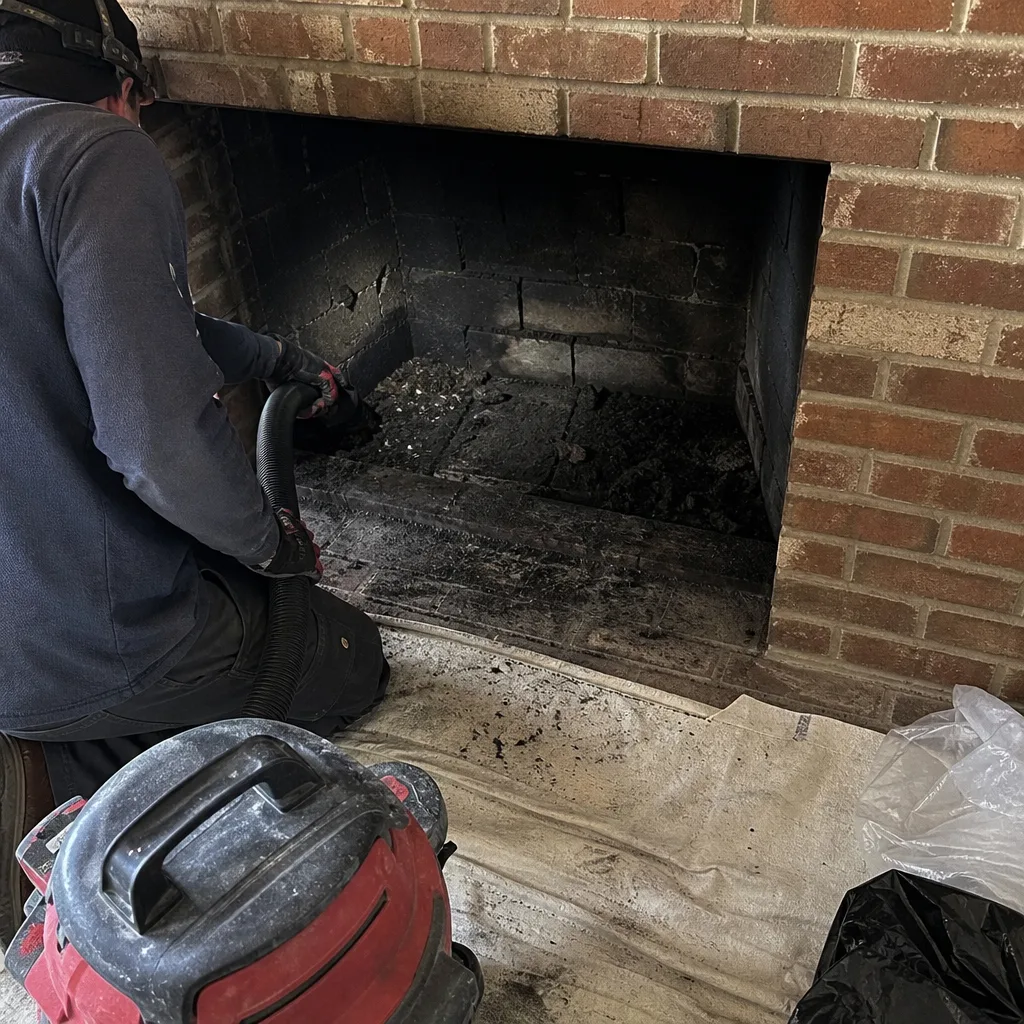
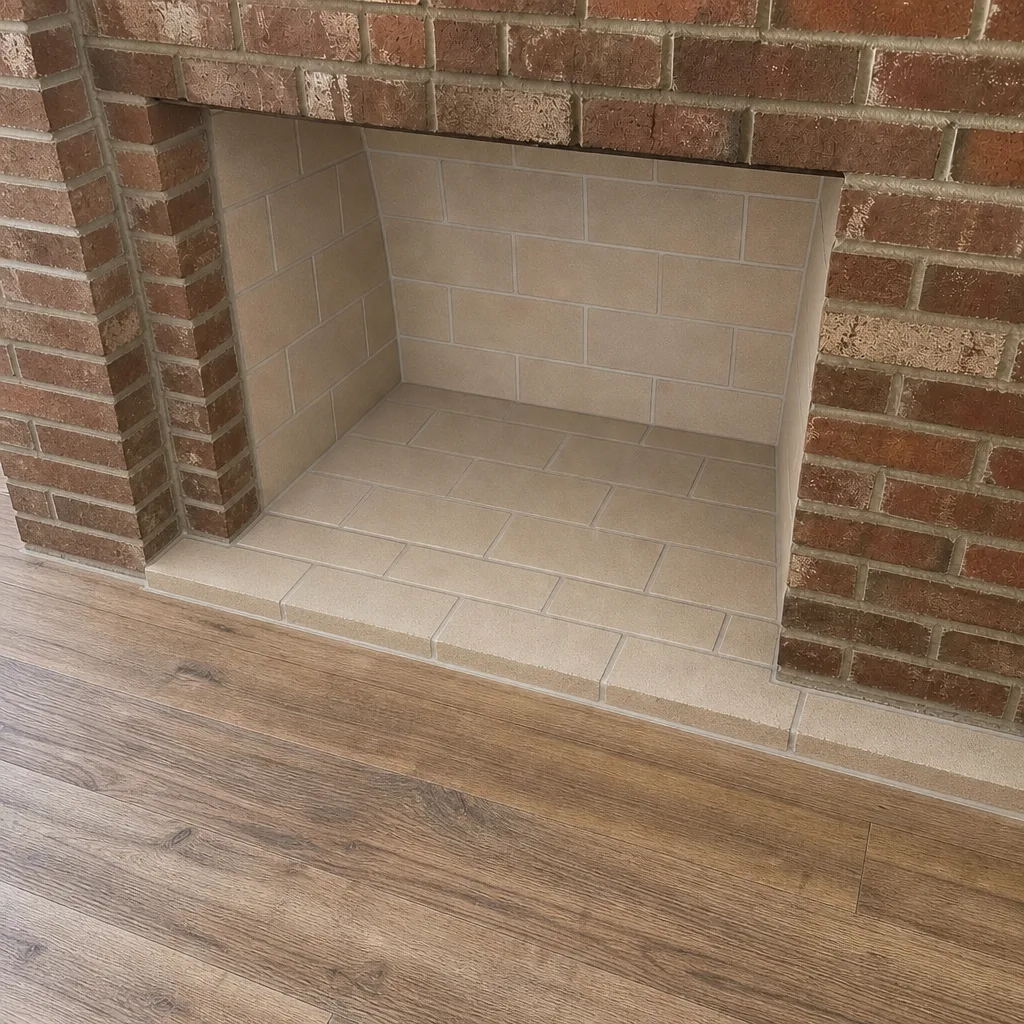
See the difference
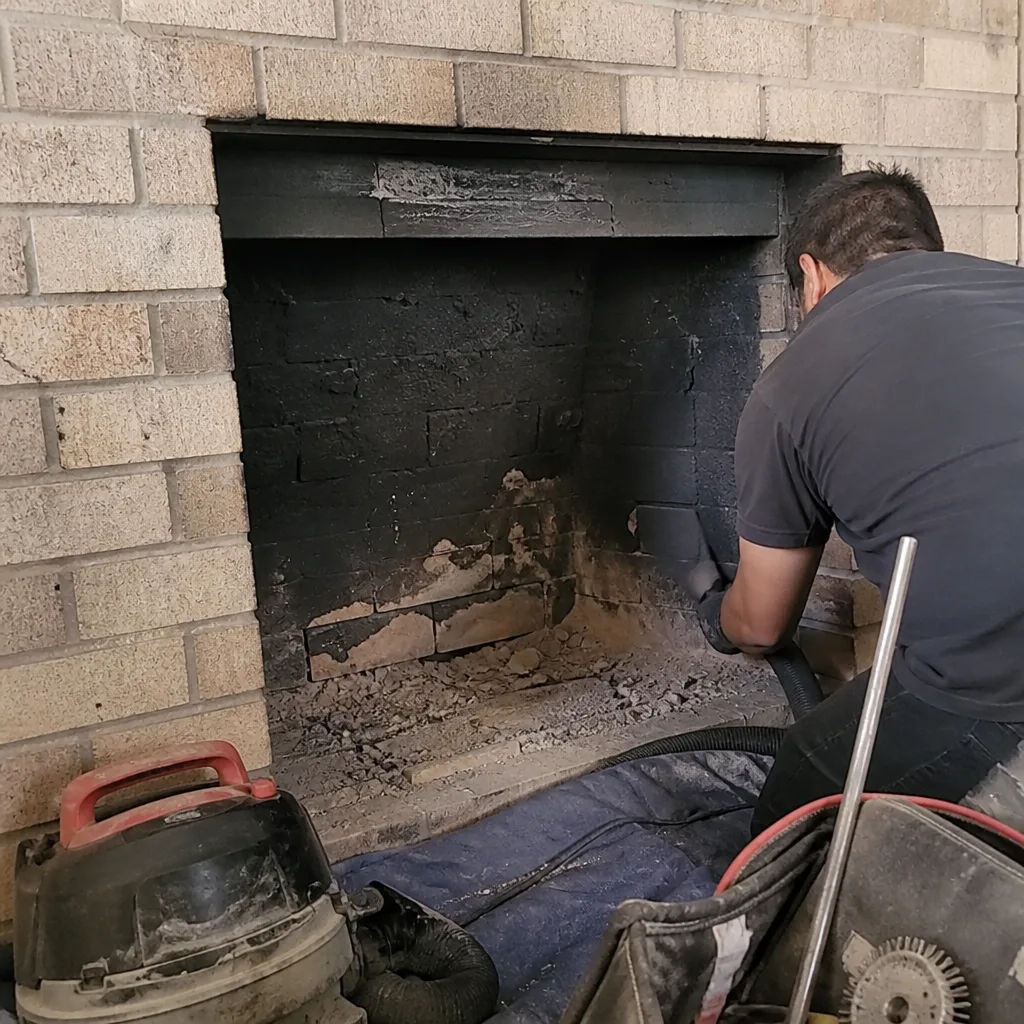 Before
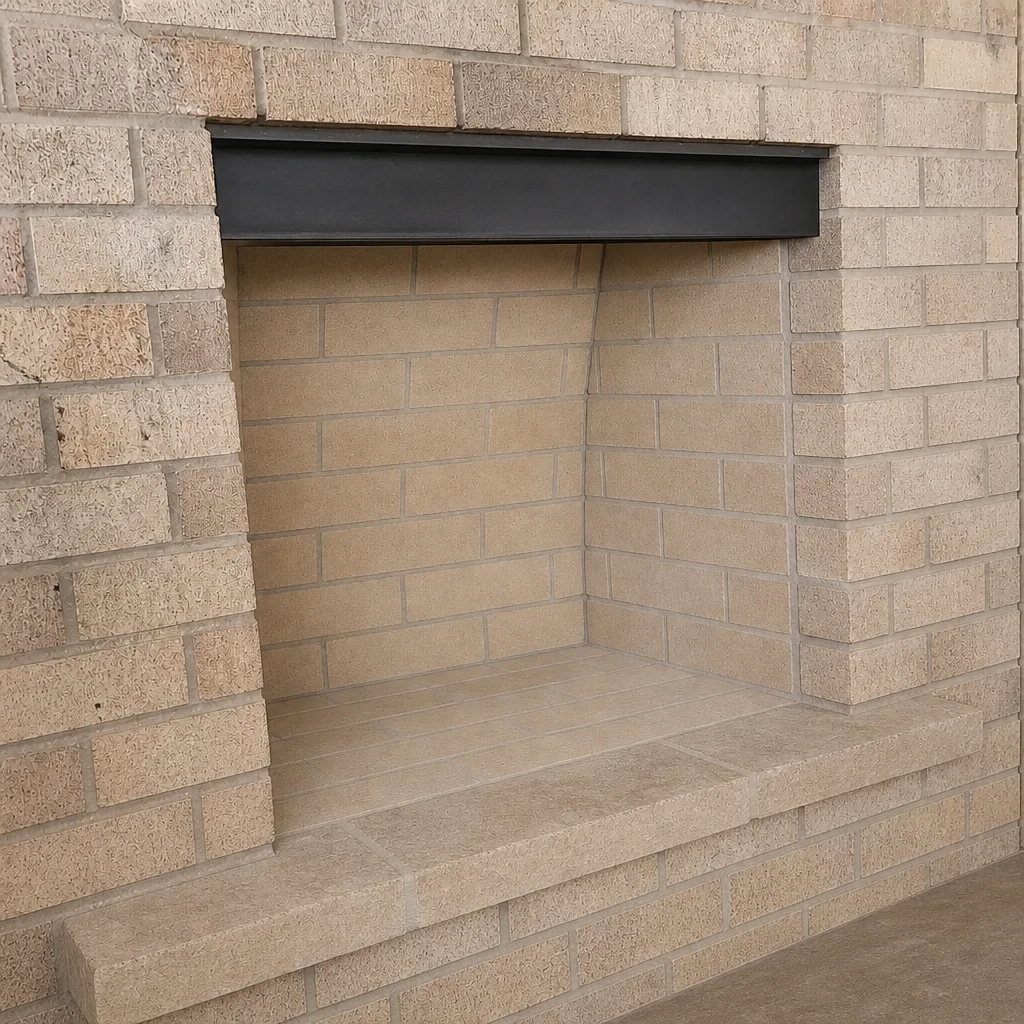 After
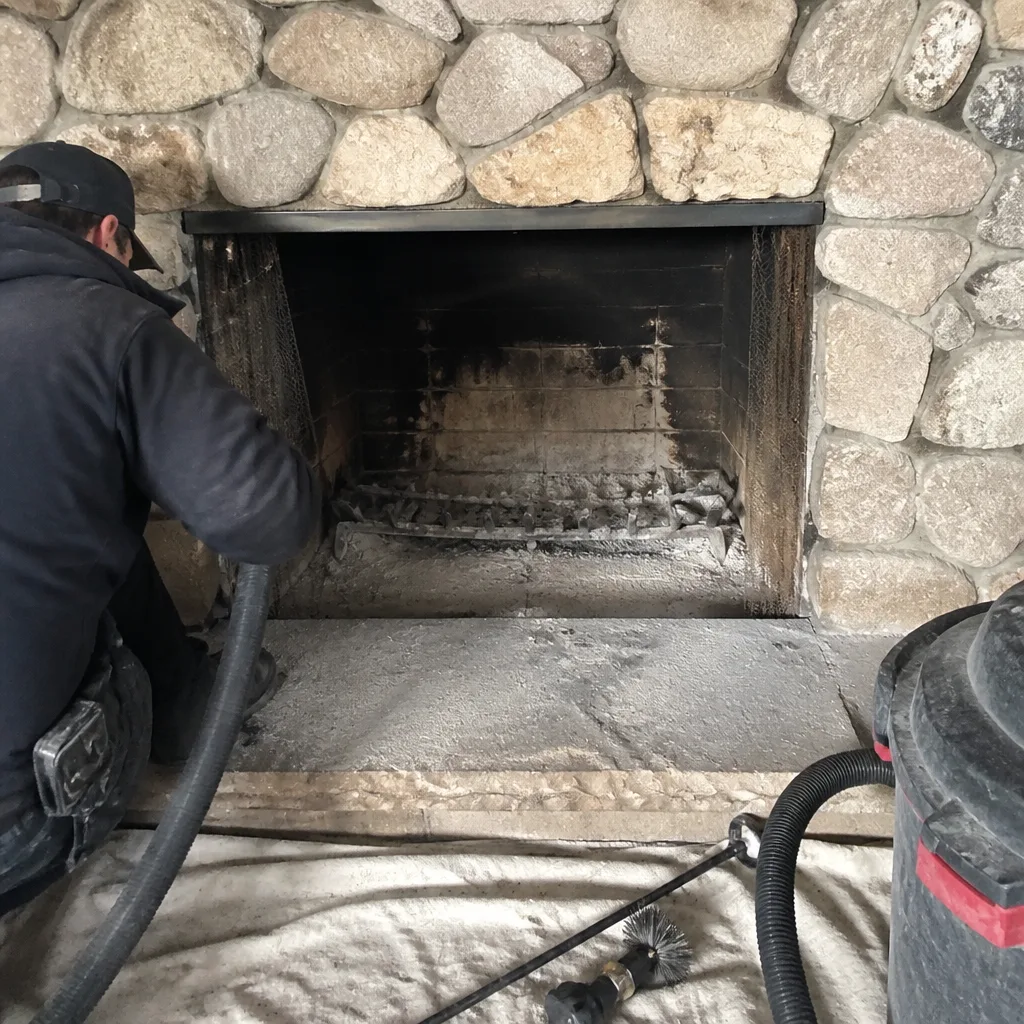 Before
 After
 Before
 After
When to Call a Professional
Call a professional when you notice spalling brick, a cracked or separated crown, staining on the chimney exterior or ceiling nearby, draft problems, or a fireplace that smokes into the room. Call before your first fire of the season if you haven’t had an inspection in the past year, and call immediately if you smell gas or suspect a liner failure. If you’re buying or selling a home in Arvada, book a Level 2 inspection before the transaction moves forward. And if you’ve been quoted structural chimney work of any kind, get a second opinion that includes camera documentation. Arvada Chimney Sweep Pros offers free estimates in Arvada – call (877) 502-4468. Our technicians have up to 8 years of experience, and we inspect it and fix it – same crew, no referrals.
Frequently Asked Questions
No. Chimney cleaning is routine maintenance and doesn’t require a permit in Arvada. Permits come into play when the work becomes structural – liner replacement, firebox rebuilds, crown replacement tied to flue work, and masonry repair above the roofline. If a sweep uncovers a problem that requires structural repair, that repair typically needs a permit through Jefferson County. Call (877) 502-4468 for an exact quote on an inspection – estimates are free.
A chimney inspection evaluates the condition of your system and produces a report with photos; a county inspection verifies that permitted repair work meets code. The condition inspection comes first and tells you what needs fixing. The county inspection comes after a permitted repair and closes the permit. A clean condition report does not satisfy a permit requirement, and a county inspection is not a substitute for an annual condition check. Call (877) 502-4468 to book an inspection.
Once a year for most wood-burning systems, and more often if you burn heavily or burn green wood. Gas fireplaces still need an annual inspection even though they produce far less creosote, because the liner and venting can deteriorate without obvious signs. The Front Range freeze-thaw cycle also means an annual look at the crown and cap is worth the visit. Call (877) 502-4468 for an exact quote – estimates are free.
Yes, potentially. If a chimney fire or carbon monoxide incident traces back to structural work completed without a permit, your insurer has grounds to deny the claim. The permit and inspection record is your evidence that the work was done legally and to code. That’s the part most Arvada homeowners don’t consider until it matters. Call (877) 502-4468 to discuss what documentation your system should have.
A liner replacement is only necessary when the existing liner is cracked, deteriorated, or incorrectly sized – and you should be shown the camera footage before approving it. Flue resurfacing with HeatShield is a legitimate alternative to full relining when the existing structure is sound, and it’s less invasive and often less expensive. Ask for the evidence. Call (877) 502-4468 for an inspection with camera documentation – estimates are free.
The buyer’s inspector will likely find any condition issues or unpermitted work during their own inspection, and at that point you’re negotiating from a weak position. Resolving unpermitted work retroactively can mean opening up completed repairs, an engineering report, and correcting anything that doesn’t meet IRC R1001 through R1003. A pre-listing inspection in Arvada is far cheaper than a closing surprise. Call (877) 502-4468 to schedule one – estimates are free.
The Bottom Line
Cleaning your chimney doesn’t require a permit in Arvada, but the structural repairs that cleaning uncovers almost always do. Liner replacement, firebox rebuilds, crown replacement tied to flue reconstruction, and masonry work above the roofline are permitted events under IRC R1001 through R1003, and the permit is what protects your insurance claim and your home sale. Keep three habits: get a condition inspection with camera evidence before approving any repair, confirm the permit number before work starts, and keep the county inspection paperwork with your home records. Work with a contractor who can inspect and repair in the same place, using professional-grade materials like DuraFlex, HeatShield, Famco, and Copperfield.
Arvada Chimney Sweep Pros covers the whole chimney system – sweep, inspection, fireplace repair, chimney repair, and cap and crown installation – and we work with an established roster of professional-grade brands, so findings don’t sit unaddressed and you don’t get handed to a second contractor mid-project. Call (877) 502-4468 for a free estimate. We answer 24/7. Fast dispatch from 7am to 7pm, Sunday through Friday.
Written by the team at Arvada Chimney Sweep Pros.