
Last updated November 23, 2026
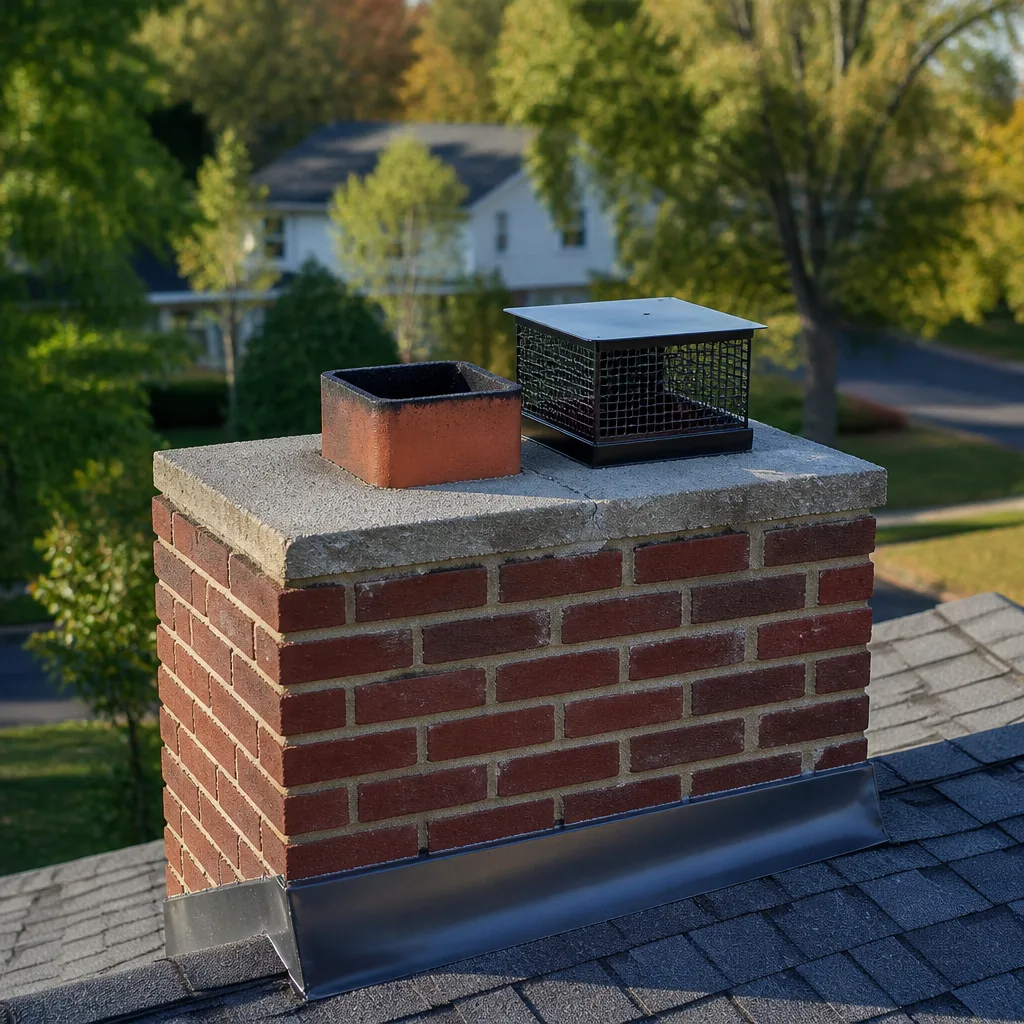 Sweep & inspection
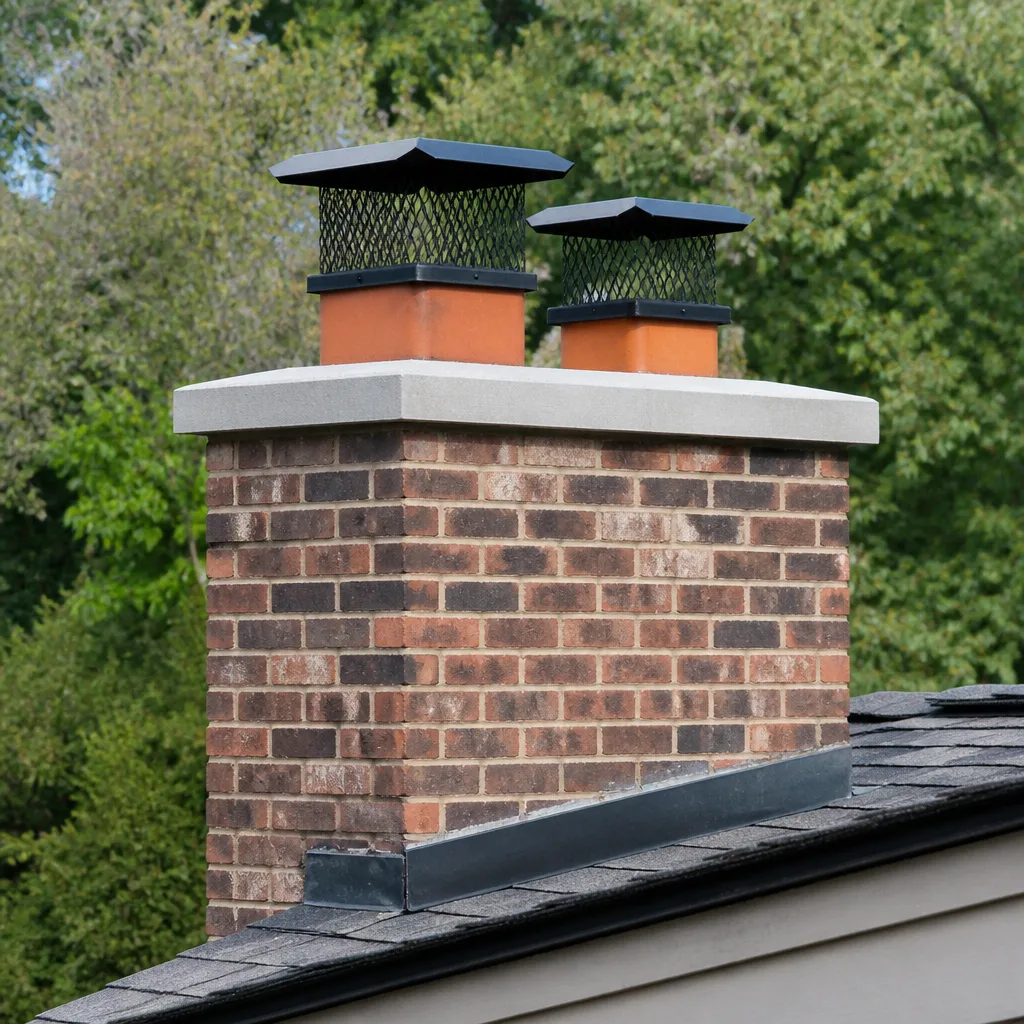 Caps & crowns
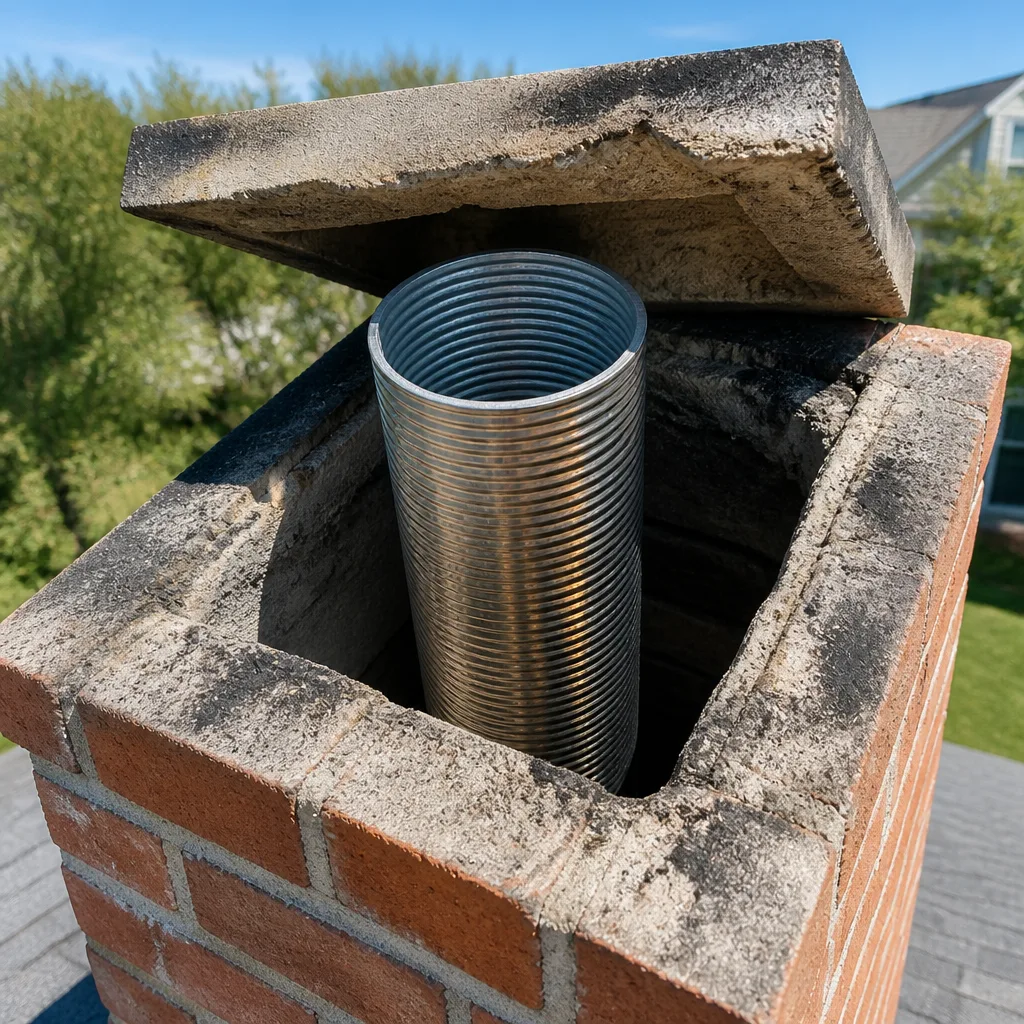 Flue relining
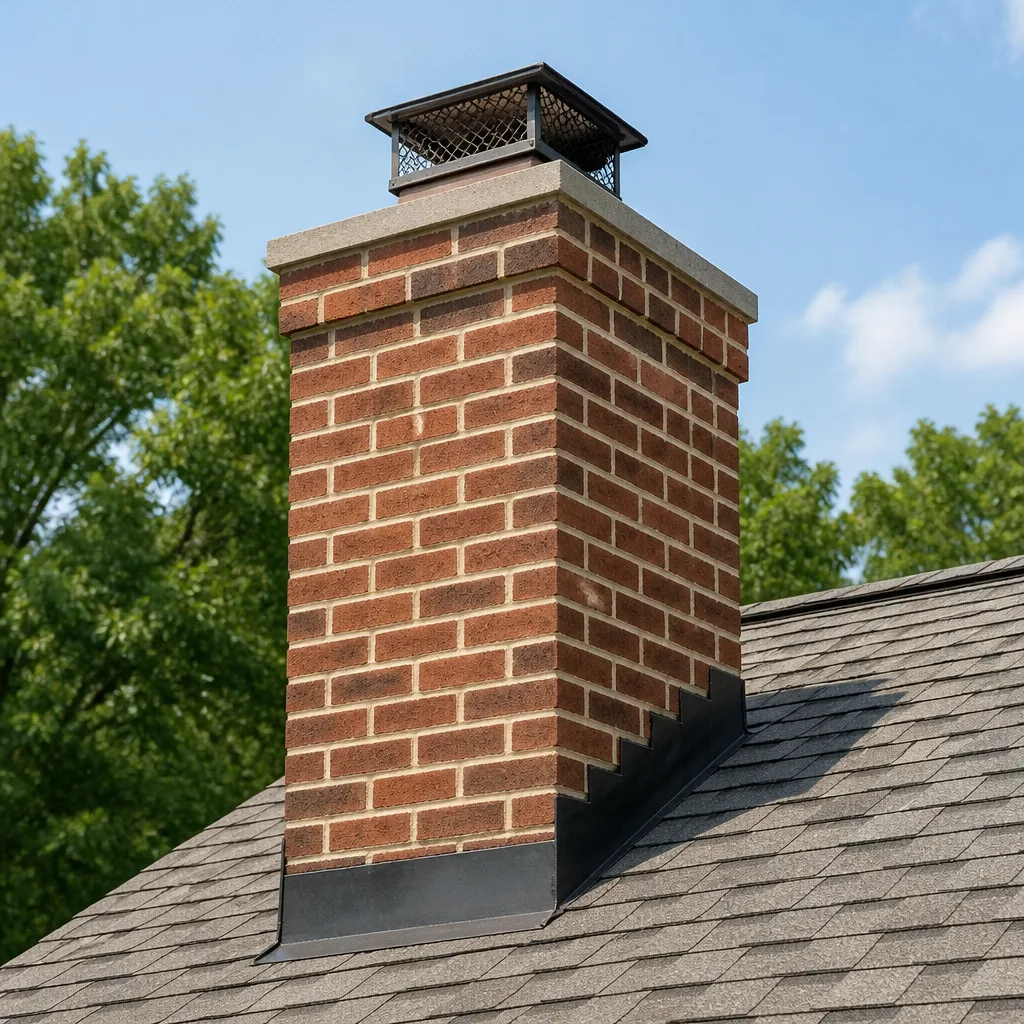 Masonry repair
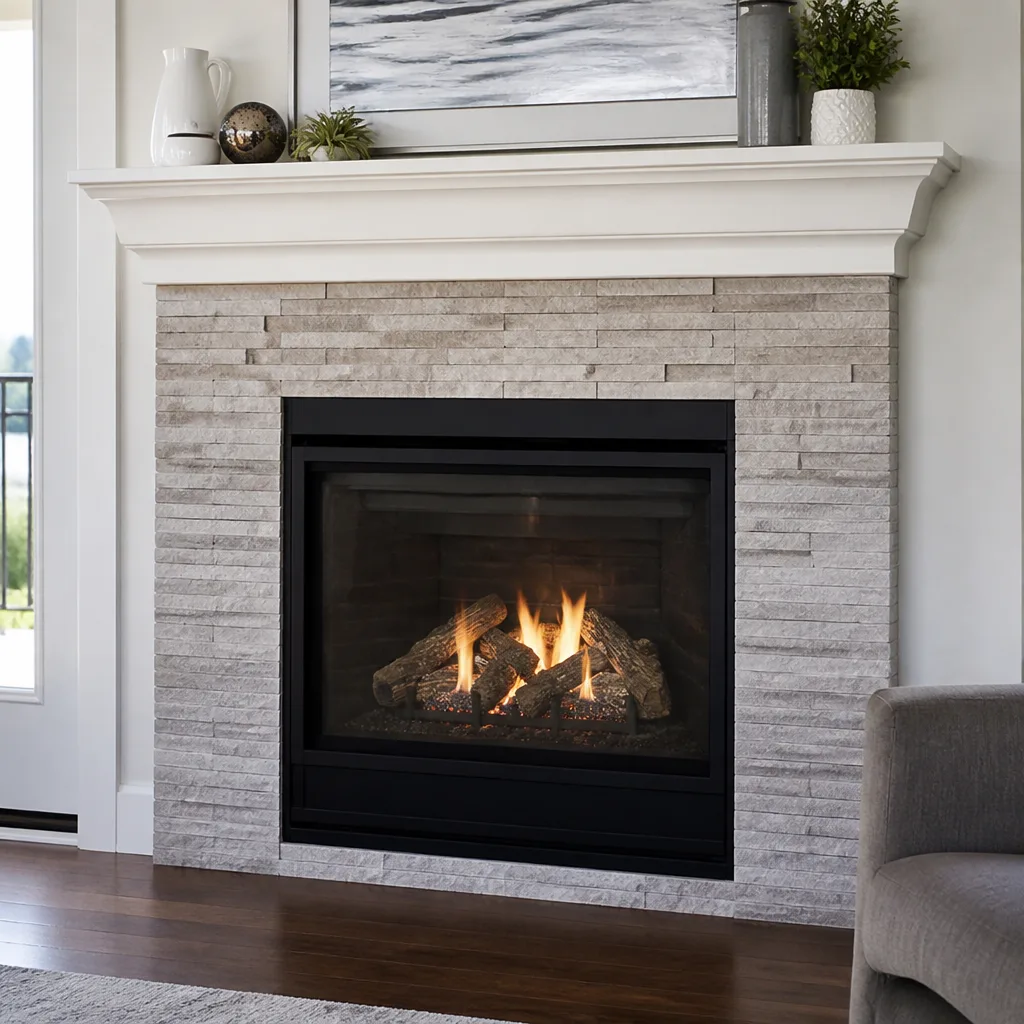 Gas fireplace service
Level 1 sweep and inspection to the NFPA 211 annual standard - flue, crown, cap, and flashing checked and photographed
Chimney sweep logs do not sweep chimneys. They loosen some creosote - which then falls where a brush and vacuum still have to collect it.
The Complete Guide to Chimney Cleaning in Arvada
Most chimney fires don’t announce themselves with flames shooting from the roof. They burn slow and hot inside the flue liner while the homeowner sits ten feet away, unaware. Arvada’s cold snaps push people to burn longer and harder through January and February, and that habit accelerates exactly the creosote buildup that makes a quiet flue fire possible. A cleaning isn’t a cosmetic chore. It’s the inspection that tells you whether the system that carries smoke and carbon monoxide out of your house is still doing its job. This guide walks through every component of a chimney system, how Arvada’s climate and altitude change the risks, and how to read a sweep’s report so you know what actually needs fixing.
Quick Answer
Chimney cleaning in Arvada means removing creosote, soot, and blockages from the flue and then inspecting the full system – firebox, smoke chamber, damper, liner, crown, and cap – for the damage that our freeze-thaw cycles and clay soils cause. Most wood-burning homes here need a sweep once a year, ideally before burning season starts in fall. A cleaning alone isn’t enough: the inspection that comes with it is what catches cracked clay tiles, a failing crown, or a liner that’s no longer safe to use.
Styles & brands we work with
- Sweep & inspection
- Caps & crowns
- Flue relining
- Masonry repair
- Gas fireplace service
Table of Contents
- Why Chimney Cleaning in Arvada Is Different
- How Arvada’s Altitude Changes What Happens in Your Flue
- Level 1, 2, and 3 Inspections: Which One You Need
- A Component-by-Component Look at Your Chimney System
- Clay Tile Liners in Older Arvada Homes: How They Fail
- How to Read a Sweep’s Report
- How Often Should You Schedule a Cleaning?
- What Does Chimney Cleaning Cost in Arvada?
Why Chimney Cleaning in Arvada Is Different
Generic chimney advice is written for a house in a mild climate on flat ground. Arvada is neither. The city sits at roughly 5,400 feet, winters swing hard between thaws and hard freezes, and the ground under many neighborhoods holds expansive clay soils that move with moisture. Each of those factors changes how a chimney ages and what a cleaning needs to catch.
Start with the burning season. Arvada homeowners tend to burn steadily from October into March, and often longer during a cold spring. Long, hot fires produce more creosote than occasional weekend burns, especially when the wood isn’t fully seasoned. That buildup is the fuel a chimney fire needs.
Then there’s the freeze-thaw cycle. Water gets into brick, mortar, and the crown, freezes overnight, expands, and pushes the material apart. Repeat that dozens of times over a winter and you get spalling brick faces, crumbling mortar joints, and hairline cracks in the crown that let in more water next season. A sweep who only brushes the flue and never looks at the exterior is missing half the problem.
The clay soils matter too. Expansive soil shifts with wet and dry cycles, and that movement can stress a masonry chimney at its base and where it meets the roofline. It’s one reason we look at the whole structure, not just the flue interior, when we’re in an Arvada home.
What this means for you: a proper cleaning here is really a full-system evaluation. We’re checking creosote levels in the flue, water damage on the exterior, liner condition, and draft performance together, because in Arvada those problems tend to show up in combination.
How Arvada’s Altitude Changes What Happens in Your Flue
At about 5,400 feet, the air is thinner and holds less oxygen per cubic foot than it does at sea level. That has real consequences for a wood fire and for the creosote it leaves behind. A fire that’s starved for oxygen burns cooler and less completely, and incomplete combustion is what produces creosote in the first place.
In practice, we see a few patterns repeat in Arvada homes:
- Cooler, smoldering fires. Homeowners often damper a fire down to make it last longer. At altitude, that reduced oxygen supply makes smoldering more likely, and smoldering fires deposit more creosote than hot, active ones.
- Draft that feels weaker. A chimney relies on the temperature difference between flue gas and outside air to pull smoke up and out. Thinner air can make draft less forgiving, so a partially blocked or undersized flue shows symptoms sooner here.
- More reliance on seasoned wood. Wet or green wood compounds the oxygen problem. Dry, split, seasoned wood burns hotter and cleaner, which matters more at 5,400 feet than it does at lower elevations.
- Gas appliance venting. If you have a gas fireplace or gas log set, the byproducts still need to vent correctly. Altitude affects draft on gas systems too, and that’s part of what an inspection checks.
None of this means you can’t burn safely in Arvada. It means the margin for a neglected flue is narrower. A flue that would get by with an every-other-year cleaning at sea level may need annual attention here, and the creosote that forms can be denser and harder to remove.
Our technicians have up to 8 years of experience, and a lot of that time is spent reading exactly these altitude-driven patterns. When we sweep, we’re not just counting how much creosote came out. We’re judging what kind it is – fluffy, flaky, or glazed and hard – because that tells us how the fire has been burning and what to recommend.
Level 1, 2, and 3 Inspections: Which One You Need
Chimney inspections follow a three-level standard, and understanding the difference helps you know what you’re paying for and whether a sweep is doing the right job. Most routine annual cleanings include a Level 1 inspection. The right level for your situation depends on what’s changed since the last look.
Level 1 Inspection
A Level 1 inspection covers the readily accessible parts of the chimney and venting system – the firebox, damper, visible flue, and exterior components you can see without special tools or dismantling anything. It’s the standard check that comes with an annual cleaning, and it’s appropriate when your system hasn’t changed and you’ve had no problems.
Level 2 Inspection
A Level 2 inspection goes further, using a camera to examine the interior of the flue and accessing areas a Level 1 doesn’t reach. It’s the level you want after a chimney fire, after any change to the system (a new appliance, a fuel change, a relining), when you’ve bought or sold a home, or after a severe weather event. In Arvada, that last point matters: a hard winter with repeated freeze-thaw cycles can damage a liner or crown in ways you can’t see from the firebox.
Level 3 Inspection
A Level 3 inspection is the most involved and is only used when a serious hazard is suspected and needs to be confirmed by accessing concealed areas – which can mean removing parts of the chimney or building structure. It’s uncommon, but it’s the correct call when there’s evidence of a problem a camera can’t fully explain.
Which one do Arvada homeowners actually need after a hard winter? In our experience, a Level 2 is the safe default any time the system has been through a heavy freeze-thaw season, after any chimney fire (even a small one), or whenever the previous inspection is more than a year old and the home has changed hands. If you’ve had a routine annual cleaning and nothing has changed, a Level 1 is usually sufficient. The key is that the inspection level should be a deliberate choice, not an afterthought.
A Component-by-Component Look at Your Chimney System
A chimney isn’t a single thing. It’s a stack of components that each do a specific job, and “dirty” means something different for each one. Here’s what each part does and what we’re looking at when a system is showing wear.
Firebox
The firebox is where the fire actually burns. Its brick and mortar take direct heat, and over time the joints can crack, spall, or loosen. In Arvada, the constant heat-and-cold cycling makes this wear pattern common. What “dirty” looks like: heavy soot, crumbling mortar joints, cracked firebrick, or gaps that let heat reach the structure behind the firebox.
Smoke Chamber
The smoke chamber is the sloped area above the firebox that funnels smoke into the flue. Its sloped, corbeled walls are notoriously hard to clean with a brush alone, so soot and creosote collect on the ledges. Those deposits are a fire hazard and a draft problem. What “dirty” looks like: rough, uneven buildup on the sloped walls and a smoke shelf that’s caked with creosote.
Damper
The damper is the metal door above the firebox that controls airflow. It should open and close cleanly and seal reasonably well when shut. What “dirty” looks like: a damper that sticks, doesn’t open fully, or won’t close flush because of corrosion or debris – which affects how the fire burns and how much heat escapes up the flue when you’re not using the fireplace.
Flue Liner
The liner is the passage the smoke and gases travel through. In older Arvada homes it’s often clay tile; in newer or relined systems it may be stainless steel, and that’s where brands like DuraFlex come in. The liner is the most safety-critical part of the system. What “dirty” looks like: heavy or glazed creosote, cracked or displaced tiles, gaps at the joints, or a liner that’s come apart – any of which can let heat or gases reach the surrounding structure.
Crown
The crown is the concrete cap at the very top of the chimney that sheds water away from the masonry. It’s the first line of defense against water intrusion, and it’s the component our freeze-thaw cycles punish most. What “dirty” looks like: hairline cracks, a crown that’s pulling away from the flue, or one that’s chipped and no longer shedding water. A failing crown is one of the most common sources of the water damage we find.
Cap
The chimney cap sits at the top of the flue and keeps rain, snow, birds, and debris out while letting smoke escape. What “dirty” looks like: a missing, rusted, or loosely fitted cap, or one that’s blocked by a bird nest or debris. A proper cap and crown are a repair category many general handymen skip or underspec – and they’re exactly the parts that keep water and animals out of the system you just paid to clean.
Clay Tile Liners in Older Arvada Homes: How They Fail
Many older Arvada homes were built with clay tile flue liners, and they fail in ways that are specific to clay. Understanding the difference between clay and stainless steel helps you know what your sweep is looking at and why the repair recommendation varies.
Clay tiles are rigid. They’re stacked with mortar joints between sections, and they don’t flex. When a house settles, when expansive clay soils shift, or when repeated heating and cooling makes the masonry move, the tiles can crack, separate at the joints, or shift out of alignment. The most common failure is a gap or offset at a mortar joint – which lets heat and flue gases escape into the surrounding masonry and structure.
Stainless steel liners, by contrast, are flexible and continuous. They’re less prone to cracking from movement, though they can still be damaged by a chimney fire or by improper installation. This is why a reline with a system like DuraFlex is a common solution when a clay liner has failed structurally.
What to look for in a clay tile liner:
- Displaced or cracked tiles visible on a camera inspection – a tile that’s shifted or fractured is a path for heat and gases.
- Gaps at the joints where mortar has eroded, especially after a hard freeze-thaw season.
- Glazed, hard creosote that’s bonded to the tile and can’t be brushed off – it’s a fire hazard and can conceal cracks beneath it.
- Spalling on the tile face where moisture has worked into the clay and broken it down.
Not every cracked tile means a full reline. When the damage is limited and the structure is sound, a non-invasive flue resurfacing with HeatShield can restore the liner’s surface without a full replacement. That’s a judgment call that depends on the extent and location of the damage, and it’s one reason a camera inspection matters: you can’t make that decision from the firebox alone.
How to Read a Sweep’s Report
The moment a sweep hands you a report is the moment you find out whether you’re dealing with an honest assessment or an upsell. Knowing how to read that report lets you separate a cosmetic note from a repair that genuinely needs attention now.
First, look for the inspection level the sweep performed. A Level 1 report won’t include a camera view of the flue, so it can’t speak to the interior of the liner. If the report recommends liner work but was only a Level 1, ask for the camera evidence before agreeing to anything.
Next, look at how findings are described. A useful report tells you what was found, where it is, and what condition it’s in – backed by photos or video of the camera inspection. Here’s how we’d break down what you’re reading:
- Cosmetic notes: surface soot, minor staining, a slightly weathered cap. These are maintenance items, not emergencies. They can be addressed on a normal schedule.
- Monitor items: early-stage crown cracks, light tile wear, a sticking damper. These should be watched and repaired before they get worse, often before the next burning season.
- Repair-now items: displaced or cracked liner tiles, a crown that’s failed and is letting water in, a gap that lets heat reach the structure. These are the code-red findings – the ones that affect safety and shouldn’t wait.
Ask to see the evidence behind any repair recommendation. If a sweep tells you your liner needs replacement, ask for the camera footage that shows the damage. If they recommend a full reline when a resurfacing would do, ask why. A report that’s specific – with photos, location descriptions, and clear categories – is the mark of an honest assessment. A report that just says “liner needs replacement, $X” without evidence is the one to question.
Because we handle both the diagnostic and the fix – sweep and inspection through repair – the findings on your report don’t sit unaddressed while you hunt for a second contractor. We inspect it and fix it, same crew, no referrals. When we recommend a repair, we can show you why and then do the work, whether it’s a chimney repair on the crown and cap or a flue restoration with a HeatShield application.
How Often Should You Schedule a Cleaning?
Once a year is the standard recommendation for a wood-burning chimney that sees regular use, and in Arvada that annual schedule lines up with the practical reality of a long burning season and a freeze-thaw cycle that damages the exterior every winter. Schedule the cleaning before burning season begins in fall, so you’re starting the winter with a clean, inspected flue.
A few factors can push the schedule tighter:
- Heavy burning. If you burn most days through the winter, the creosote builds faster and an annual sweep is the minimum, not the ceiling.
- Unseasoned or wet wood. Smoking, smoldering fires deposit more creosote, so a home burning green wood may need attention more often.
- Older clay-tile systems. A liner that’s already showing wear should be inspected at least annually, and sometimes more often if a repair is pending.
- Gas fireplaces. Gas systems still need periodic inspection, even though they produce less creosote. The venting and draft still need to work.
A simple rule: if you can’t remember the last time the chimney was cleaned, it’s due. And if a hard winter has passed since the last inspection, especially one with heavy snowmelt and freezing, it’s worth a look even if you didn’t burn much. The chimney sweep and inspection visit is what tells you the difference between a flue that’s ready for winter and one that needs work first.
What Does Chimney Cleaning Cost in Arvada?
We don’t quote a flat price for a cleaning without seeing the system, because a single-flue wood-burning chimney and a system with a failed liner are very different jobs. What we can tell you is how the cost is structured: the estimate is free, the price is set per job by the written estimate, and there’s no service-call fee or trip charge to find out what you’re dealing with.
For a typical residential cleaning and inspection in Arvada, the estimate accounts for the following:
- Sweep and inspection. The core visit: brushing the flue, cleaning the firebox and smoke chamber, and inspecting the full system including the liner.
- Inspection level. A Level 1 inspection is included with a routine cleaning; a Level 2 camera inspection is a deeper look and is priced as its own item when it’s needed.
- Repair work, if found. Crown and cap repairs, fireplace repair, flue resurfacing, or a reline are quoted separately once the inspection shows what’s actually needed.
The written estimate is the number that counts. We’d rather give you an honest, specific estimate after looking at the system than a low headline price that grows once we’re on site. Call (877) 502-4468 for a free estimate, and we’ll tell you what your chimney needs based on what we find, not on a pre-set package.
If a repair comes up, we work with professional-grade materials – DuraFlex liner systems, HeatShield flue resurfacing, and Gelco and Famco components for cap and crown work – so the fix uses the same materials specified by certified chimney professionals rather than generic substitutes. Your chimney system, fully evaluated, not just swept: from cap to firebox, we service the whole system, and you deal with one company from inspection through repair completion.
Common Mistakes to Avoid
- Treating the cleaning as the whole job. A sweep that brushes the flue and leaves without inspecting the crown, cap, and liner has missed the parts most likely to fail in Arvada’s freeze-thaw climate. The inspection is as important as the cleaning.
- Burning wet or unseasoned wood. At 5,400 feet, a smoldering fire deposits creosote faster. Burning seasoned wood and keeping fires hot and active is the simplest way to reduce buildup between cleanings.
- Skipping the camera inspection after a hard winter. A Level 1 look can’t see the inside of a clay liner. After a heavy freeze-thaw season, a camera view is what catches cracked or displaced tiles before they become a safety issue.
- Waiting for visible problems. Most chimney fires burn quietly inside the flue with no flames visible from outside. Waiting until you see smoke or staining means waiting too long.
- Accepting a repair recommendation without evidence. If a sweep recommends a new liner but won’t show you the camera footage, ask for it. You have a right to see what the report is based on.
- Letting a crown or cap problem wait. A cracked crown lets water into the masonry every time it rains or snow melts, and the damage compounds through the winter. Cap and crown repairs are a category worth addressing promptly, not deferring.
- Assuming a gas fireplace doesn’t need attention. Gas systems produce less creosote, but the venting, draft, and appliance connections still need periodic inspection.
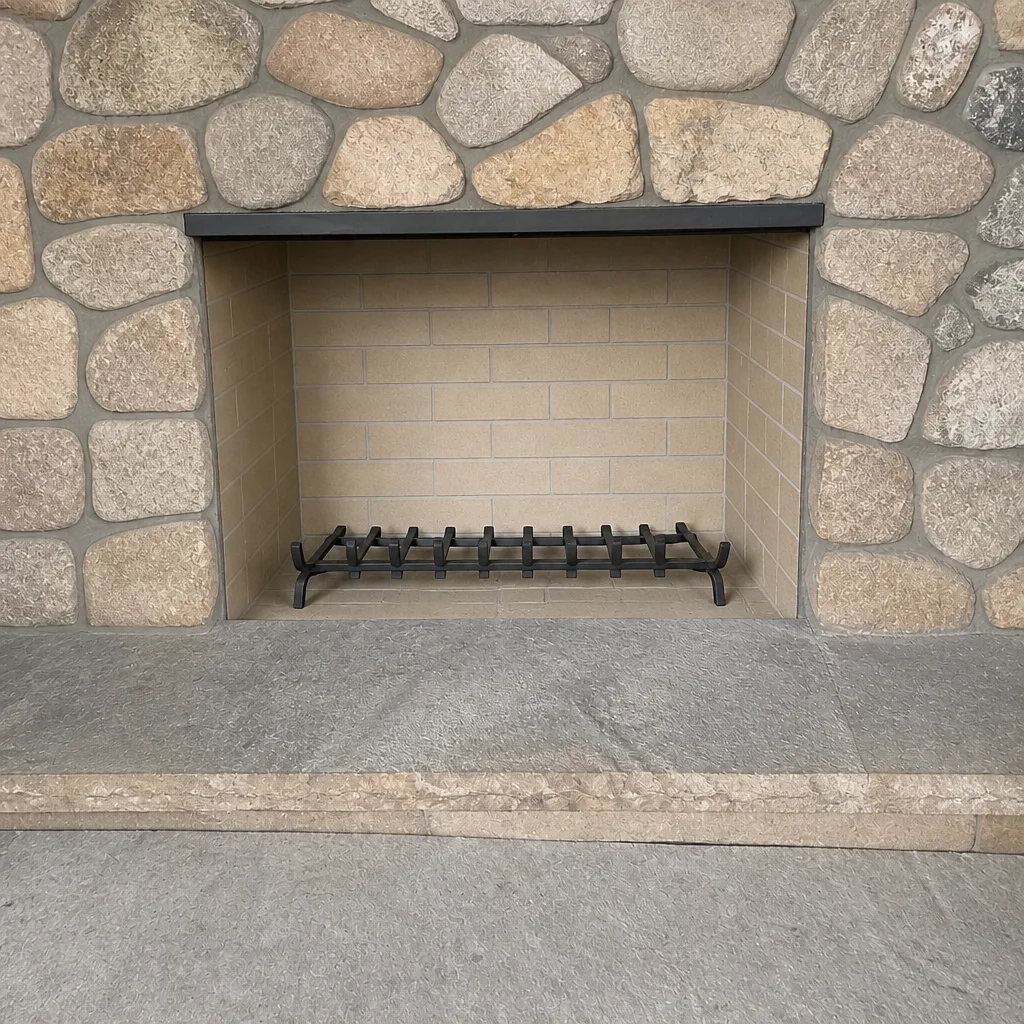
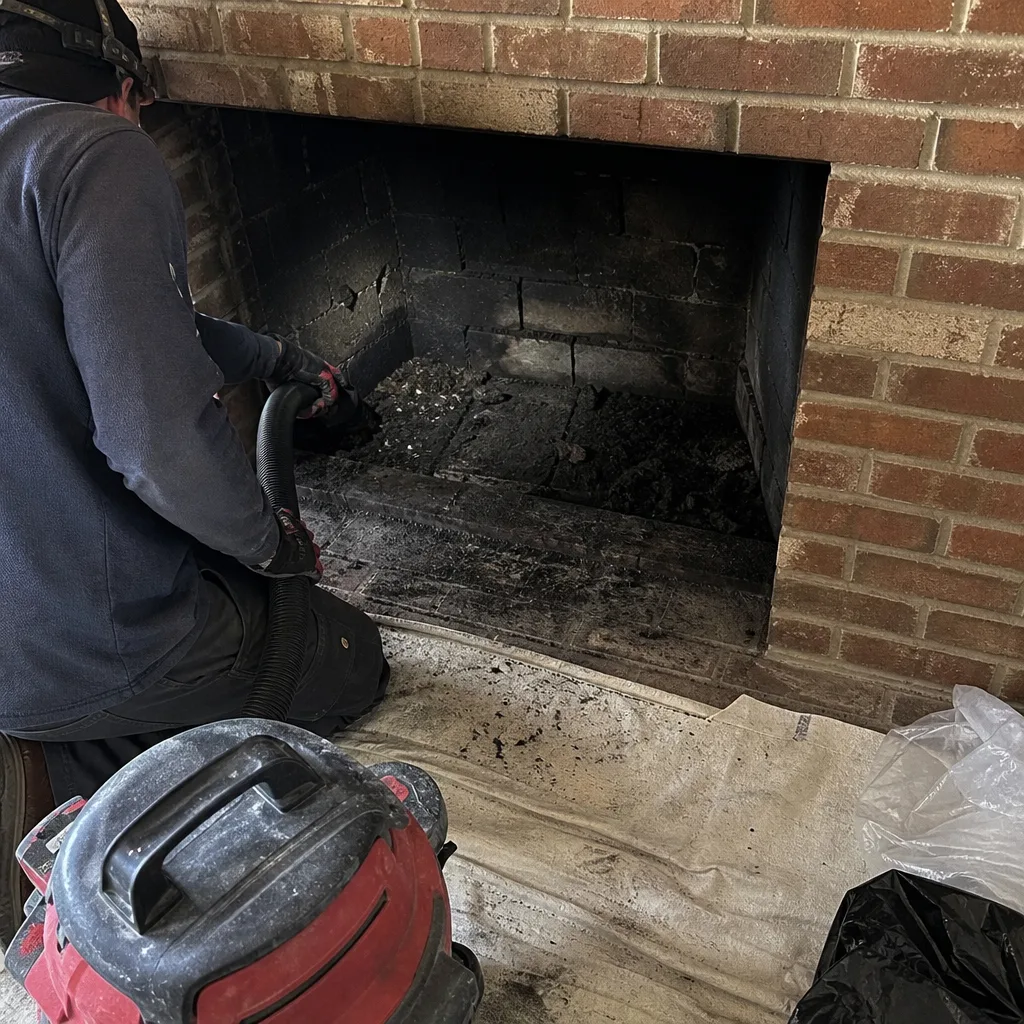
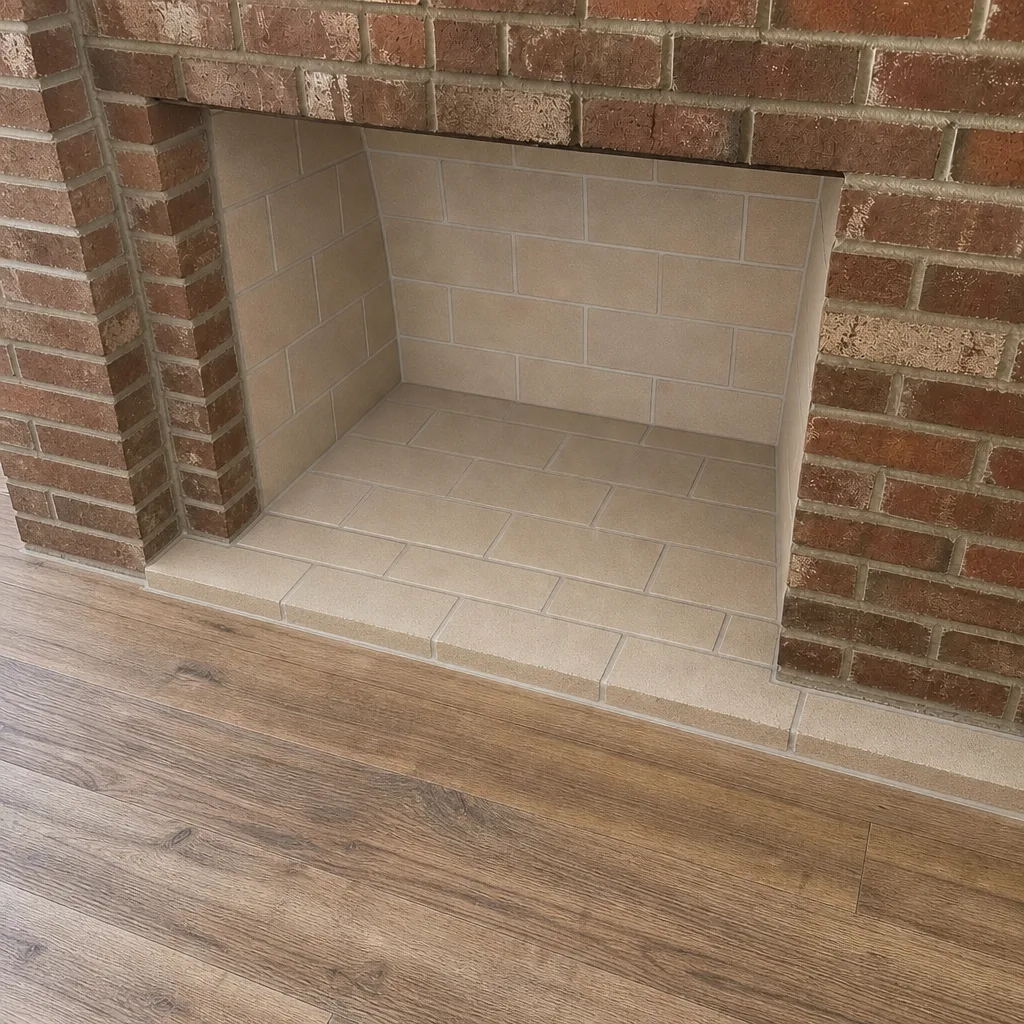
See the difference
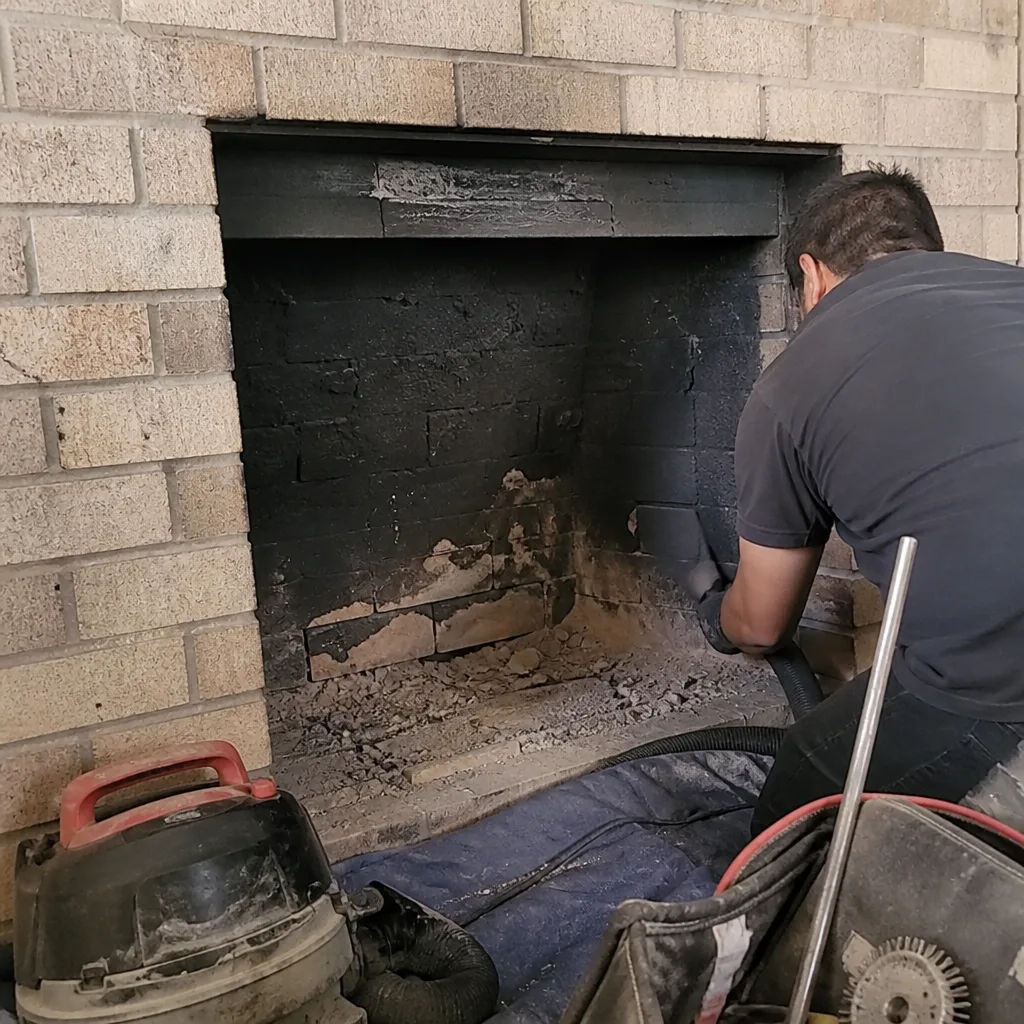 Before
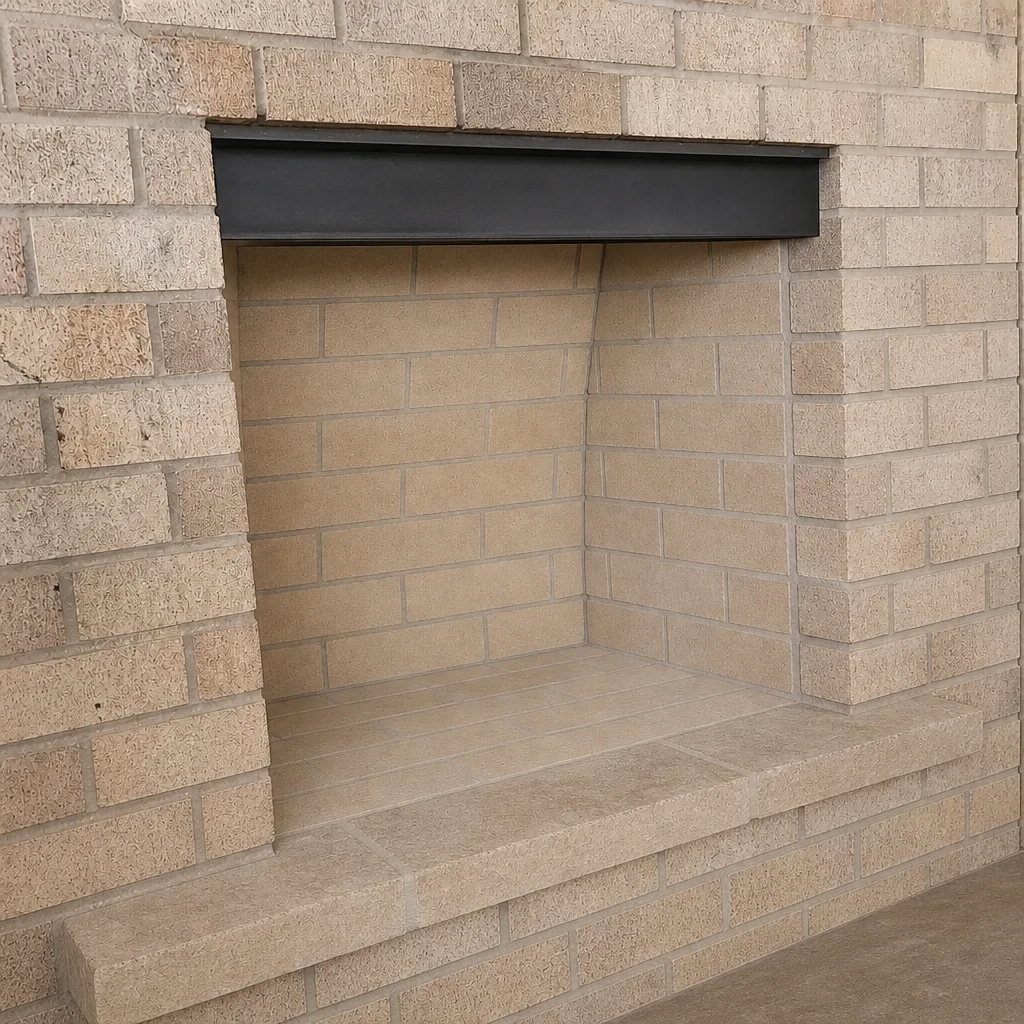 After
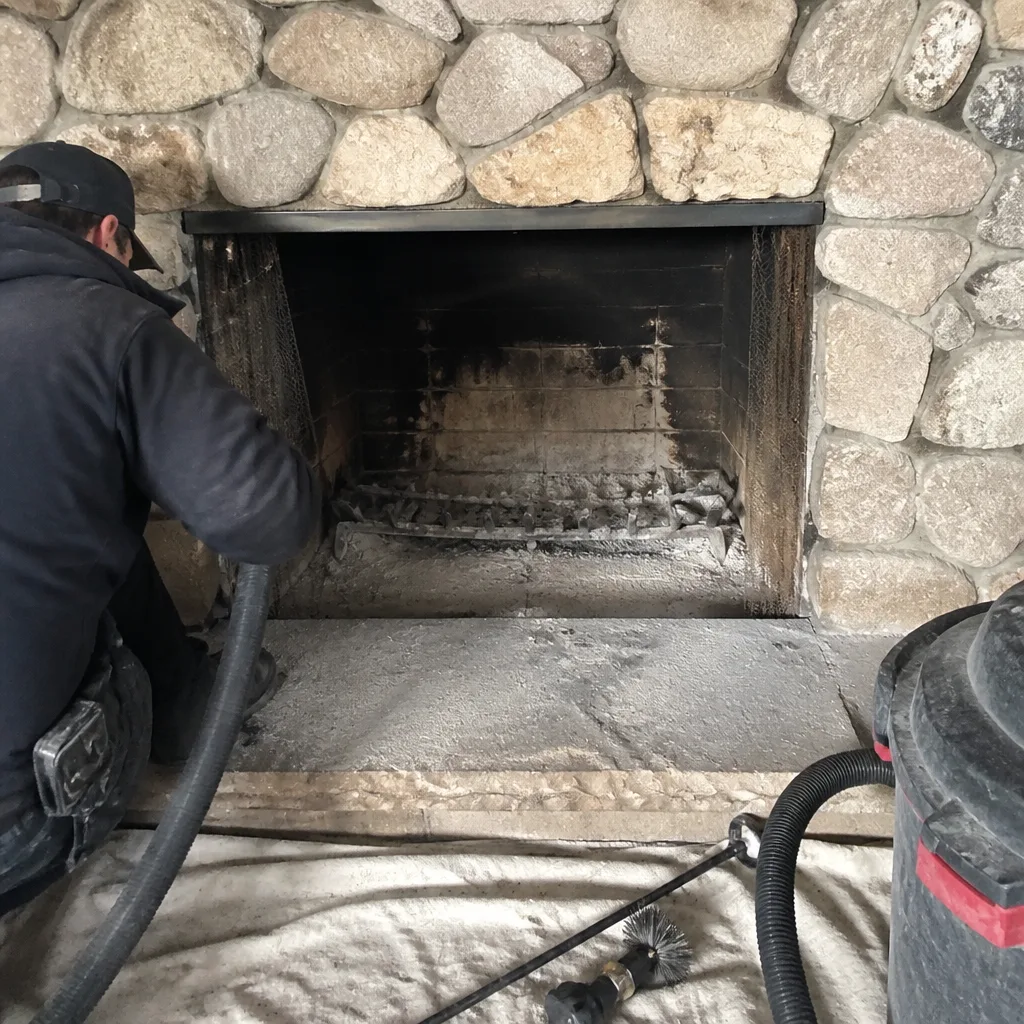 Before
 After
 Before
 After
When to Call a Professional
Some chimney work is a job for a trained professional, full stop. Any time the liner is in question, the crown or cap is damaged, you’ve had a chimney fire (even a small one), or you smell smoke or gas in the house when the fireplace isn’t running, call a professional rather than investigating yourself. High-tension components and the interior of the flue are not a do-it-yourself space, and the risks of getting it wrong – fire, carbon monoxide, structural damage – are serious enough that a trained eye is worth it.
Routine maintenance is the easy call: if it’s been a year since your last cleaning, or a hard winter has passed since your last inspection, schedule one. Arvada Chimney Sweep Pros offers free estimates in Arvada – call (877) 502-4468. We answer 24/7. Fast dispatch from 7am to 7pm, Sunday through Friday.
Frequently Asked Questions
There’s no single flat price, because the cost depends on your system, the inspection level, and whether any repair is needed. The estimate is free and the final price is set by the written estimate, with no service-call fee. Call (877) 502-4468 for an exact quote.
Not always. A cracked or damaged clay liner doesn’t automatically mean full replacement. When the damage is limited and the structure is sound, a non-invasive flue resurfacing with HeatShield can restore the liner without a reline. The right answer depends on what a camera inspection shows, so ask to see the evidence before agreeing to a replacement.
Once a year for a wood-burning chimney that sees regular use, scheduled before burning season in fall. If you burn heavily, burn unseasoned wood, or have an older clay-tile system, the schedule may need to be tighter. Call (877) 502-4468 for an exact quote and a recommended schedule.
Creosote keeps building up inside the flue, and when it ignites it can burn slowly and hot without flames showing from the roof. Skipping the inspection also means water damage from a cracked crown or failed cap goes unnoticed through the winter. The risk is fire and carbon monoxide, which is why the annual cleaning and inspection matter. Call (877) 502-4468 for an exact quote – estimates are free.
Yes, it still needs periodic inspection, even though a gas system produces far less creosote than wood. The venting, draft, and appliance connections still need to be checked for proper function. Call (877) 502-4468 for an exact quote.
Ask to see the evidence. A legitimate recommendation comes with a camera inspection, photos or video of the problem, and a clear explanation of what was found and where. If a sweep recommends work without showing you why, ask for the footage before you agree. When we recommend a repair, you see the reason for it.
The Bottom Line
Chimney cleaning in Arvada isn’t just about removing soot. It’s about understanding how altitude, freeze-thaw cycles, and expansive clay soils wear on a chimney system, and catching the problems that a brush alone won’t find. Get a cleaning and a real inspection once a year, know the difference between a cosmetic note and a repair that needs attention now, and ask for the camera evidence behind any recommendation. Your chimney system, fully evaluated – not just swept – is what keeps it safe through another Arvada winter.
Arvada Chimney Sweep Pros handles the full system: sweep, inspection, fireplace repair, chimney repair, and cap and crown work, with one company from inspection through completion. You can see the full range of what we do at Arvada Chimney Sweep Pros, including fireplace repair for fireboxes, dampers, and fireplaces that need more than a cleaning. Call (877) 502-4468 for a free estimate. We answer 24/7. Fast dispatch from 7am to 7pm, Sunday through Friday.
Written by the team at Arvada Chimney Sweep Pros.