
Last updated November 23, 2026
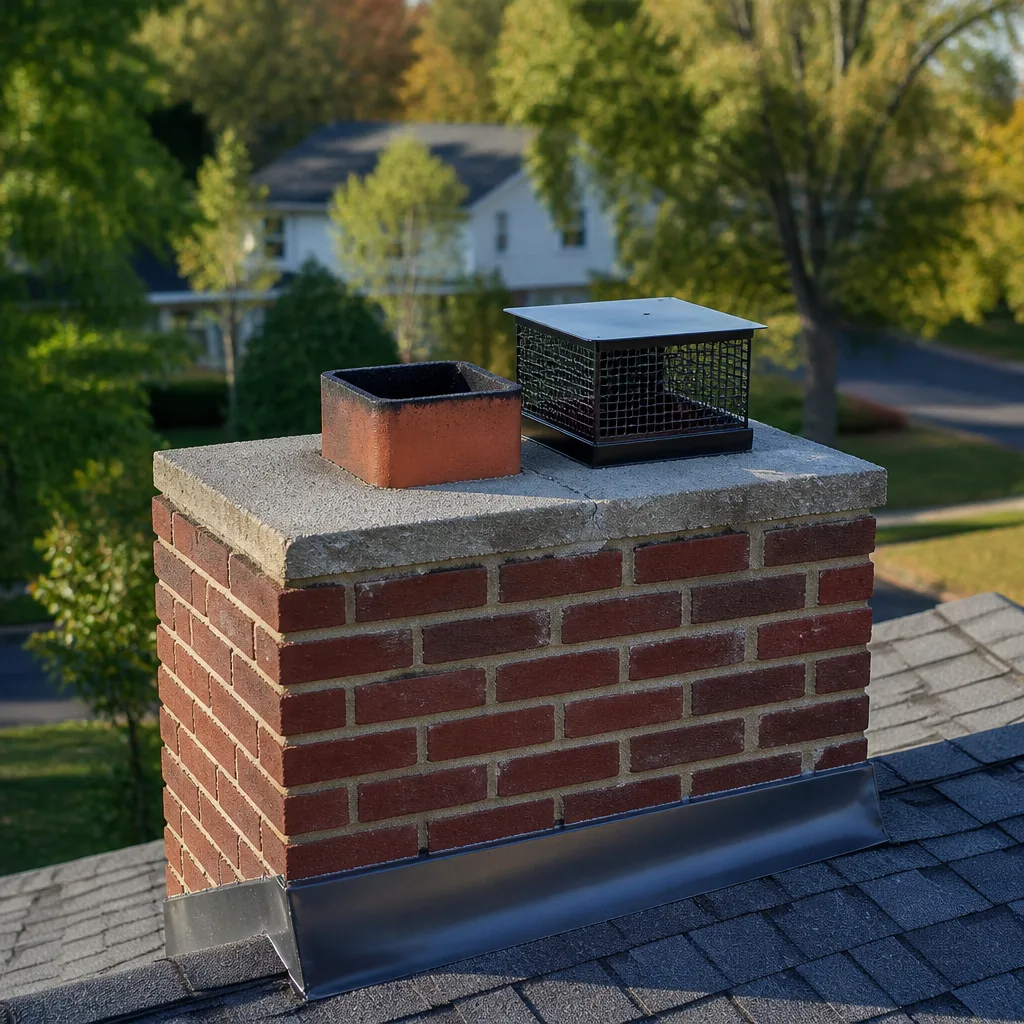 Sweep & inspection
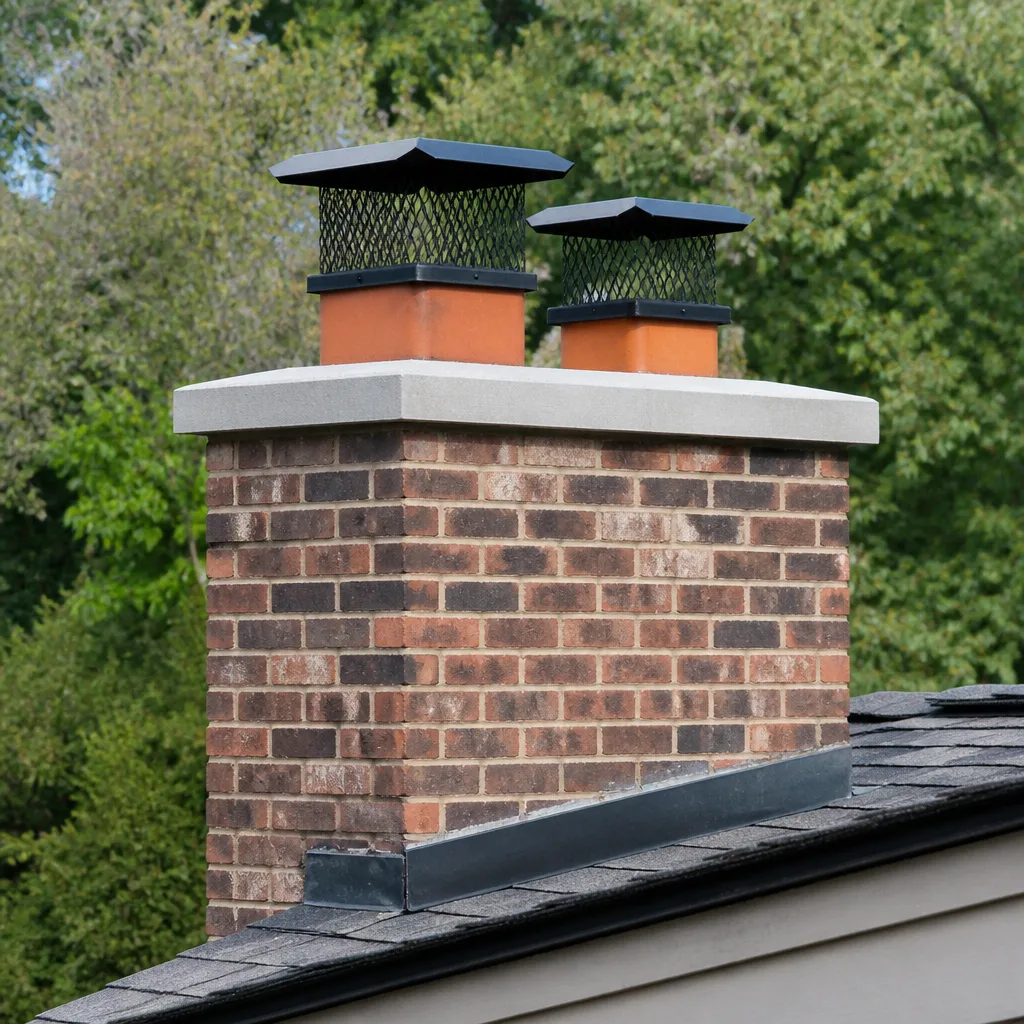 Caps & crowns
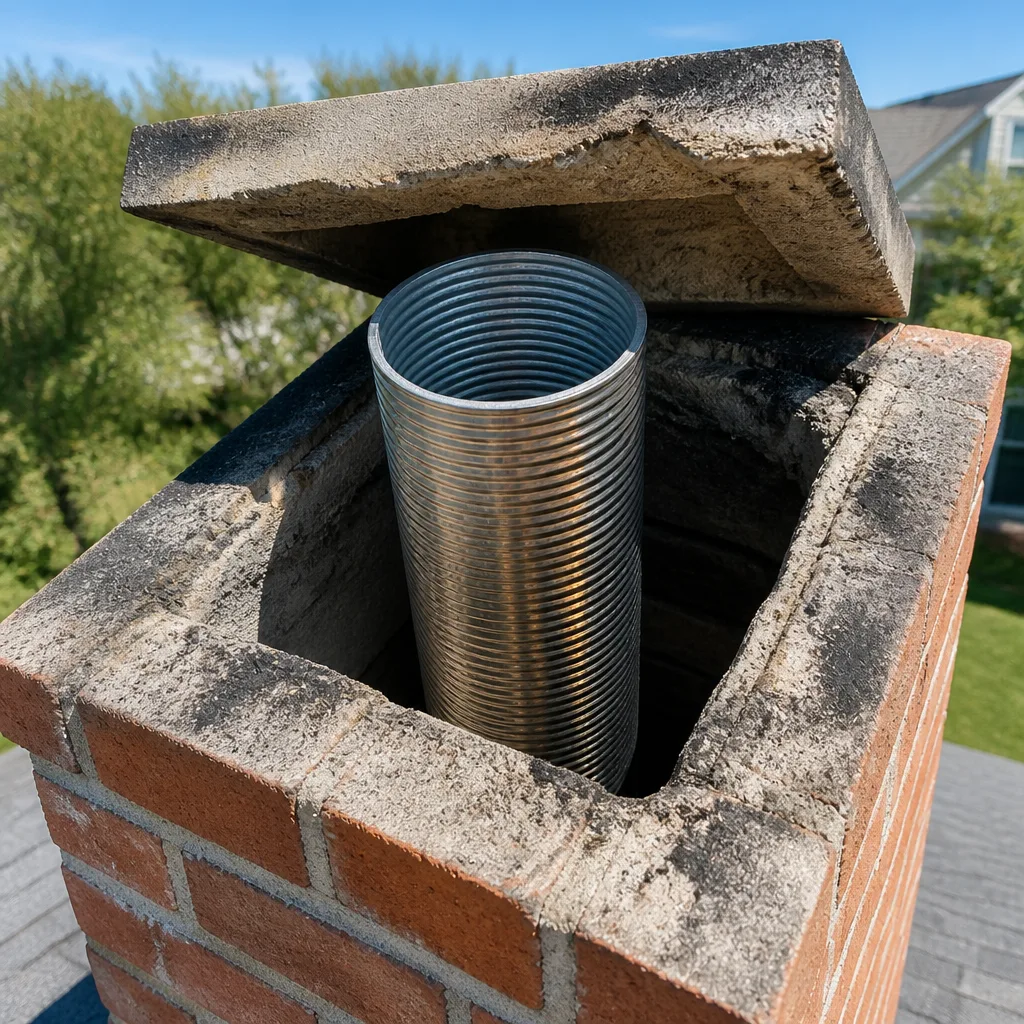 Flue relining
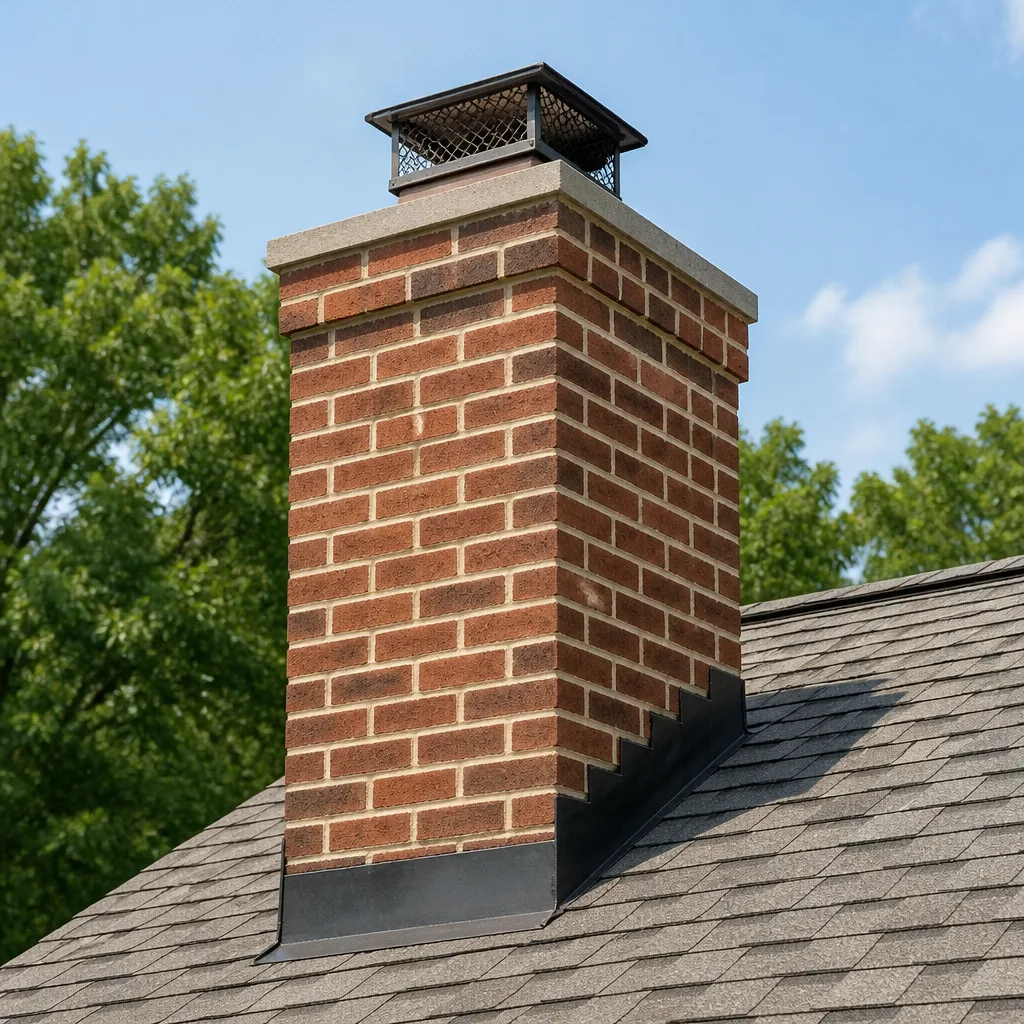 Masonry repair
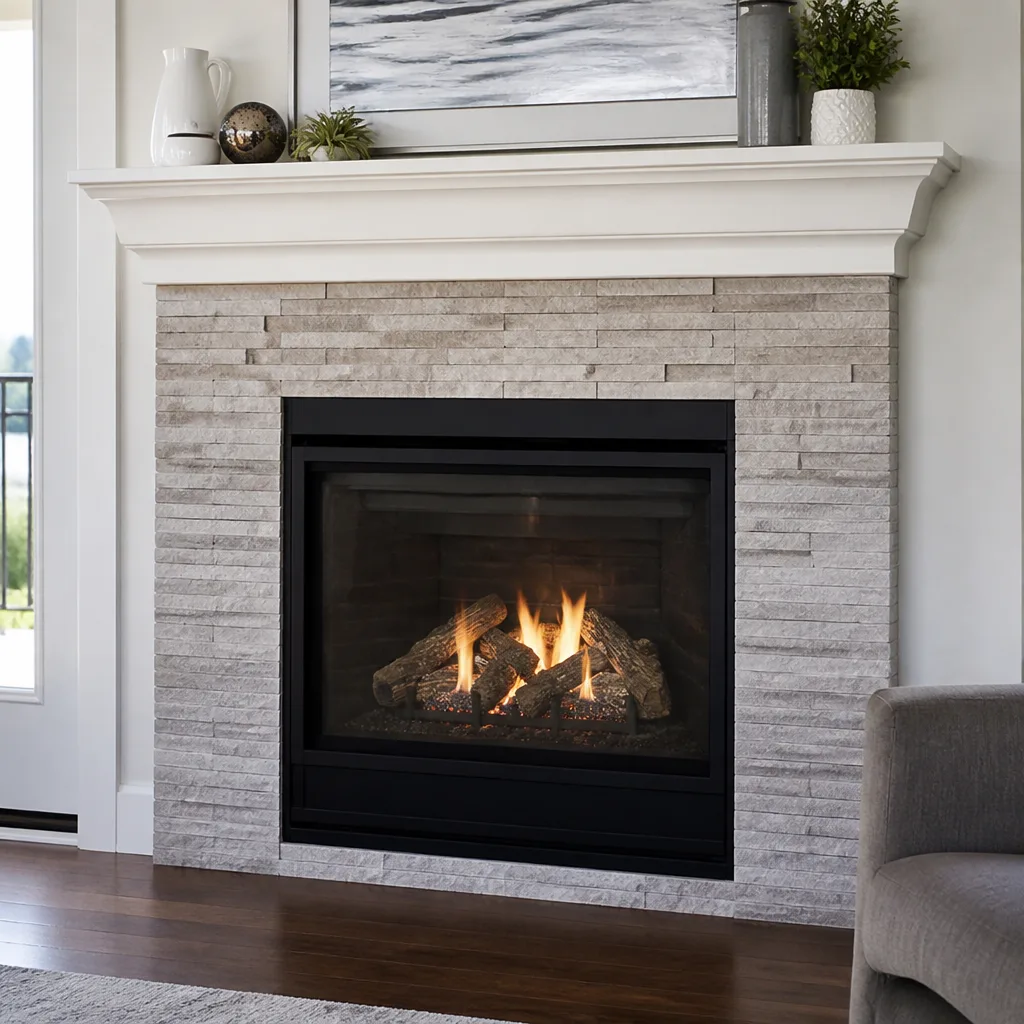 Gas fireplace service
Level 1 sweep and inspection to the NFPA 211 annual standard - flue, crown, cap, and flashing checked and photographed
Chimney sweep logs do not sweep chimneys. They loosen some creosote - which then falls where a brush and vacuum still have to collect it.
Chimney Cleaning Emergency Preparedness Guide for Arvada Homes
Most homeowners think they’d know a chimney fire if they had one. In our experience, that’s the misconception that matters most. A chimney fire often sounds like a low roar, a rumble, or the heavy crackling of a big log settling – sounds people dismiss as normal combustion. Flue temperatures during an active chimney fire can exceed 2,000°F, hot enough to crack a clay liner in seconds and ignite framing within minutes. This guide covers both kinds of chimney emergencies in Arvada: the ones you can interrupt while they’re happening, and the ones that have already happened silently. What you’ll learn is specific: what to do in the first 60 seconds, what a post-fire inspection looks for, where carbon monoxide hides, and what to document.
Quick Answer
If you suspect a chimney fire, close the damper, get everyone out of the house, and call 911 before anything else. Never use the fireplace again until a Level 2 inspection confirms the flue is intact. For the silent emergencies – carbon monoxide back-venting and structural damage – working CO detectors on every level plus an annual inspection are what catch them before they hurt anyone.
Styles & brands we work with
- Sweep & inspection
- Caps & crowns
- Flue relining
- Masonry repair
- Gas fireplace service
Table of Contents
- How to Recognize an Active Chimney Fire
- The First 60 Seconds: What to Do
- After a Chimney Fire: The Level 2 Inspection
- Carbon Monoxide and Your Chimney
- Sudden Smoke Rollout and Downdraft
- What to Document for Insurance
- Preparing Before an Emergency
- Common Mistakes to Avoid
- When to Call a Professional
- Frequently Asked Questions
How to Recognize an Active Chimney Fire
An active chimney fire doesn’t always look dramatic. That’s the trap. Some announce themselves with a roar you can hear from another room and flames or sparks visible at the top of the chimney. Others burn slowly and quietly, and the only clues are subtle. Because Arvada homes sit along the Front Range where the burn season runs long and cold, fireplaces here get heavy use, and heavy creosote buildup is what fuels the quiet fires.
Watch and listen for these signs:
- A low, rumbling roar or a sound like a freight train in the distance
- Loud popping or cracking that sounds heavier than normal fire noise
- Dense smoke or sparks coming from the chimney top
- A hot chimney cap or a strong burning smell in the room
- Smoke backing into the room instead of drawing up the flue
- Creosote flakes or pieces of liner visible in the firebox afterward
The key distinction: normal combustion crackles and settles. A chimney fire roars, pops, or draws air with a sound that doesn’t match what you put on the grate. If the sound is out of proportion to the fire, treat it as a chimney fire until proven otherwise. When we sweep a chimney and find glazed, puffy creosote or cracked liner tiles, that’s often the evidence of a fire the homeowner didn’t know happened. A chimney sweep is how you find that out before the next fire starts.
The First 60 Seconds: What to Do
The first minute of a chimney fire decides how much damage the house takes. The sequence below is not a suggestion; it’s the order that keeps people safe first and the structure second.
- Get everyone out. Call 911 from outside the house. People first, property second – this is not negotiable.
- Close the damper if you can do it safely on your way out. Cutting the air supply starves the fire and slows it. Don’t linger to do it.
- Close the glass doors or firebox screen to keep embers contained.
- Don’t spray water into the firebox. A sudden steam burst can crack a hot liner and send scalding steam back at you.
- Stay out until the fire department clears the house. Chimney fires can reignite in framing that’s already smoldering.
If you ever smell smoke in a room with no fire burning, or your CO detector goes off, treat it as a confirmed emergency and evacuate. The chimney has one job – to carry combustion gases up and out – and when it fails, the failure is invisible until it’s in the room with you. Full evaluation after any scare starts with a proper inspection, and that’s exactly what Arvada Chimney Sweep Pros do from the cap down to the firebox.
After a Chimney Fire: The Level 2 Inspection
A fireplace that has had a chimney fire must not be used again until a Level 2 inspection is complete. That’s the standard, and it’s the standard for a reason. Heat at those temperatures doesn’t just burn creosote; it can crack clay liner tiles, warp metal liners, distort the damper, and damage the mortar joints around the flue. None of that damage is visible from the firebox. You can’t see it through a normal chimney sweep, and you can’t smell it.
A Level 2 inspection is what looks at the hidden parts of the system:
- The full flue interior, using a camera to see cracks, gaps, and separated tiles
- The liner joints, where heat damage first shows up
- The smoke chamber and damper for warping and debris
- Adjacent framing and the attic where a fire can smolder out of sight
- The exterior of the chimney for cracks in the crown and masonry that let water in
What we look for after a fire is whether the liner is still continuous. A hairline crack in a clay tile lets hot gases and carbon monoxide into the wall cavity. When the liner needs repair rather than full replacement, HeatShield ceramic flue repair can resurface a damaged flue from the inside without tearing out the chimney – but only where the structure supports it. A Level 2 inspection is what tells you which path you’re on. From cap to firebox, we service the whole system, so findings don’t sit unaddressed while you hunt for a second contractor.
Carbon Monoxide and Your Chimney
Carbon monoxide is the chimney emergency that doesn’t announce itself. CO is colorless, odorless, and produced by every wood fire and gas appliance. Normally the flue carries it up and out. When the flue is blocked, cracked, or back-drafting, that same gas can enter the living space instead. In Arvada, cold winter nights with a fire going and the furnace running are exactly when back-drafting is most likely, because the house is sealed tight against the cold.
The failures that let CO in are usually quiet ones:
- A blocked flue from a bird nest, leaf pack, or collapsed liner debris
- Cracks in a clay liner or gaps at the joints
- A chimney that’s too short or blocked at the cap to draft properly
- Negative pressure in the house pulling exhaust back down the flue
- A damaged firebox or smoke chamber that leaks into the wall cavity
Detector placement is what actually catches this. Put a CO alarm on every level of the home and outside each sleeping area, and test them on a schedule you’ll remember. A detector in the basement won’t wake someone sleeping on the second floor. If an alarm sounds and you can’t find the source, get out and call 911 – don’t wait to see if it clears. A gas fireplace deserves the same attention as a wood-burning one; its venting can fail the same way, and a professional inspection covers both.
Sudden Smoke Rollout and Downdraft
Smoke rolling out of the firebox into the room is the most common chimney emergency Arvada homeowners experience, and it’s usually not a fire at all. It’s a draft failure. The Front Range produces strong, gusty wind events that push down the chimney, and a chimney that was drafting fine on a calm night can spill smoke into the room when the wind turns.
Common causes of sudden smoke rollout:
- Wind-driven downdraft over the chimney top
- A cold flue that hasn’t warmed up yet
- A closed or partly closed damper
- A blocked or partially blocked flue
- Negative pressure from a bathroom fan, kitchen vent, or furnace running
- A chimney that’s too short for the roofline or the surrounding trees
When smoke starts rolling out, open a window near the fireplace to equalize pressure, open the damper fully if it isn’t already, and let the fire die down. Get out and call 911 if the smoke is thick, the fire is spreading outside the firebox, or you smell burning that shouldn’t be there. Persistent or repeated rollout is a sign your chimney has a draft problem that won’t fix itself. A correctly sized cap and a flue that’s clear and sound are what stop it. If a sweep or inspection turns up cracked tiles or a deteriorated crown, chimney repair is how you close the path before the next cold snap.
What to Document for Insurance
After any chimney emergency, what you document in the first 48 hours decides how smoothly the insurance claim goes. The instinct is to clean up and move on; the better move is to record everything before anything is touched. A pile of creosote flakes on the roof, a cracked liner tile, water staining inside the chase – all of it is evidence, and once it’s swept away it’s gone.
Document these after a chimney emergency:
- Photos and video of everything. The chimney interior as far as the camera reaches, the exterior, the firebox, any smoke staining, and the roof around the chimney.
- The fire department’s incident report number and a copy of the report. Your insurer will ask for it, and it’s the fastest way to establish the date and cause.
- The Level 2 inspection report. This is the document your adjuster uses to decide what’s covered. Get it in writing with photos attached.
- Dates and times. When you noticed the fire or smoke, when you called 911, when the fire department cleared the scene.
- Receipts for any emergency measures – board-up, temporary repairs, hotel stays.
Documentation before an emergency matters too. Keep photos of your chimney and a dated record of your last inspection and sweep. If damage turns up later, a baseline record of what the chimney looked like before the event makes the claim far easier to settle. When we inspect, we photograph what we find so you have that record in hand, not just a verbal summary.
Preparing Before an Emergency
Preparedness for a chimney emergency is mostly about a handful of things done before the cold season starts. A chimney that’s clean, capped, and inspected has far less fuel to burn and far fewer failure points. In Arvada, the burn season is long enough that these tasks are worth putting on a calendar rather than leaving to memory.
Set up these safeguards before winter:
- Get an annual sweep and inspection. Creosote is the fuel for every chimney fire. A professional sweep removes it, and an inspection catches the cracked liner and damaged crown that let CO and water in.
- Install and test CO alarms on every level and outside sleeping areas.
- Keep a working fire extinguisher rated for wood fires near the fireplace, and know where the nearest water shutoff and gas shutoff are.
- Check the chimney cap and crown. A missing or damaged cap is how animals, rain, and downdraft get in – and the crown is the top of the chimney that keeps water out of the masonry.
- Use dry, seasoned wood and avoid slow, smoldering fires, which build creosote faster than hot, clean burns.
- Have the chimney inspected after any fire scare, even if it seems minor.
Cap and crown work is where a lot of chimney problems start, and it’s a category general handymen often skip or underspec. We install caps and crowns using Gelco and Famco products specified for durability and proper fit, and we use the same professional-grade materials chimney professionals rely on nationwide, including DuraFlex liner systems and Copperfield components. It’s all part of protecting the system from the top down.
Common Mistakes to Avoid
- Assuming a chimney fire is always loud. Many burn quietly and are discovered later as cracked tiles. If the sound doesn’t match the fire, treat it as a fire and evacuate.
- Using the fireplace after a chimney fire without a Level 2 inspection. The liner can be cracked even when the chimney looks fine. One more fire can send gases or flames into the framing.
- Spraying water into a hot firebox. The thermal shock can crack a liner and steam can injure you on the way out.
- Putting CO detectors in one place and calling it done. A single alarm in the hallway won’t catch a back-draft on the second floor or in the basement.
- Cleaning up before documenting. Creosote flakes and cracked tiles are the evidence your adjuster needs. Photograph first, clean second.
- Ignoring repeated smoke rollout. Wind-driven downdraft on the Front Range is common, but a chimney that rolls smoke every windy night has a draft or blockage problem that will keep happening.
- Skipping the cap because it looked fine. Caps and crowns fail slowly and let water into the masonry, which turns into spalling brick and a much larger repair.
When to Call a Professional
Call a professional after any chimney fire, any CO alarm you can’t explain, any smoke rollout that keeps happening, and any visible deterioration – spalling brick, a cracked crown, staining on the chimney or ceiling, or a damper that no longer seals. Also call if you smell a strong burning odor in the room when no fire is burning, or if your fire struggles to draw at all. These are signs that the system has a problem you can’t see from the firebox. Our technicians have up to 8 years of experience, and we inspect and fix the whole system under one roof, so a sweep that uncovers a problem doesn’t get handed off to someone else. Arvada Chimney Sweep Pros offers free estimates in Arvada – call (877) 502-4468.
Frequently Asked Questions
The estimate is free, and the price is set per job by a written estimate after we see the chimney. A routine sweep and inspection is typically less than a repair, and we agree on the flat price before we book. Call (877) 502-4468 for an exact quote – estimates are free.
You often can’t tell from the firebox. Look for cracked or glazed liner tiles, puffy or glazed creosote, flakes of creosote on the roof or in the firebox, and a warped damper. A Level 2 inspection with a camera is how you find out for certain.
Not always. The decision depends on whether the liner is still continuous. A camera inspection tells you whether the damage is a resurfacing job or a full reline, and HeatShield ceramic flue repair can restore a damaged flue in place where the structure allows it. Nothing gets recommended without evidence you can see. Call (877) 502-4468 for an exact quote – estimates are free.
Once a year for most homes that burn wood regularly, and more often if you burn heavily or notice creosote building up fast. A gas fireplace still needs an annual inspection, even though it doesn’t build creosote the same way, because its venting can fail silently.
On every level of the home and outside each sleeping area. A single alarm won’t catch CO that back-vents on a different floor. Test them on a set schedule and replace them per the manufacturer’s guidance.
Creosote keeps building, and the liner and crown keep aging without anyone checking them. The risk you’re running is a chimney fire or a back-venting flue you don’t know about until it shows up as smoke or an alarm. Call (877) 502-4468 for an exact quote – estimates are free.
The Bottom Line
Chimney emergencies come in two forms: the loud ones you can interrupt and the silent ones that have already happened. The loud ones – chimney fires and smoke rollout – need the same response: evacuate, close the damper on the way out, call 911, and don’t use the fireplace again until a Level 2 inspection clears it. The silent ones – CO back-venting and structural failure – get caught by working detectors on every level and an annual inspection with a camera. Document everything after any scare, before you clean up. And prepare before the season starts, because creosote is the fuel for every chimney fire. If anything about your chimney worries you, a professional inspection is the cheapest peace of mind you can buy. Call (877) 502-4468. We answer 24/7. Fast dispatch from 7am to 7pm, Sunday through Friday. From cap to firebox, we service the whole system, and a fireplace repair that starts with an honest inspection is worth more than a guess.
Written by the team at Arvada Chimney Sweep Pros.
See the difference
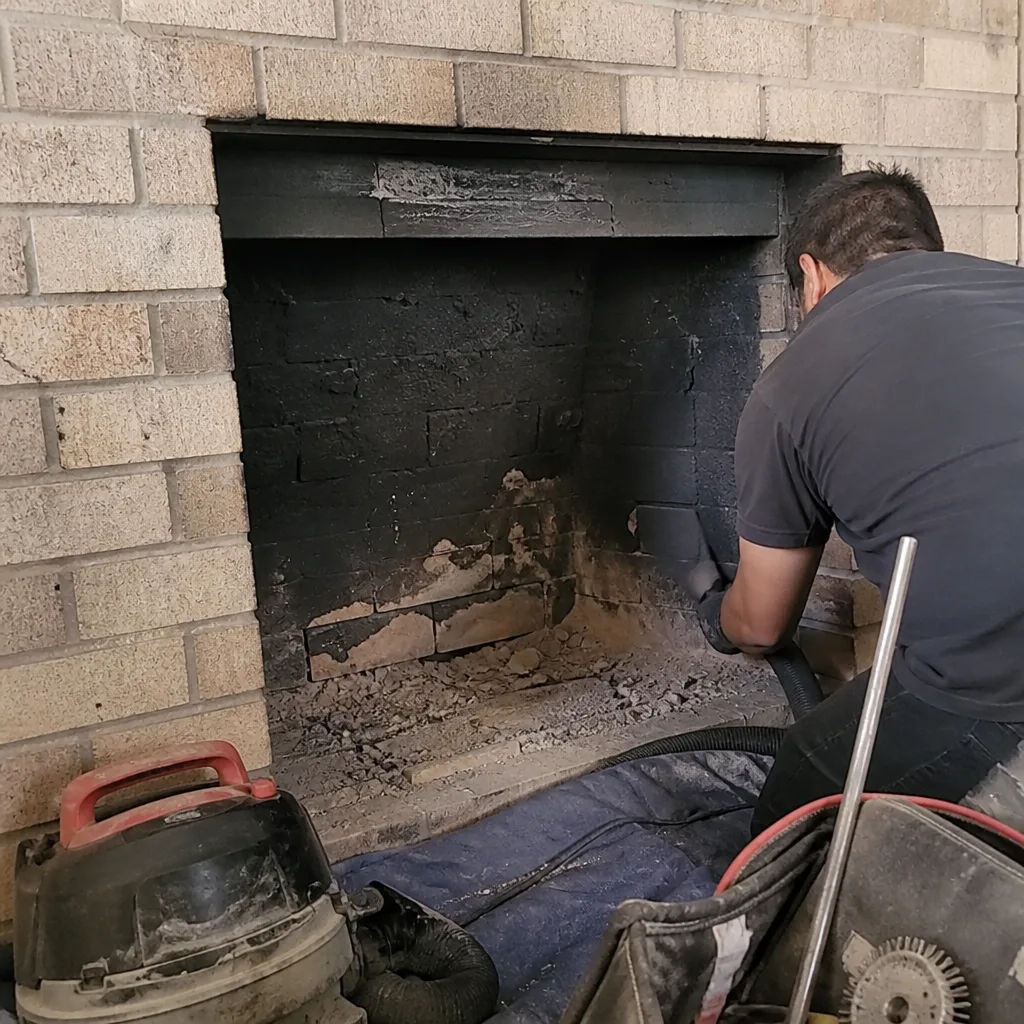 Before
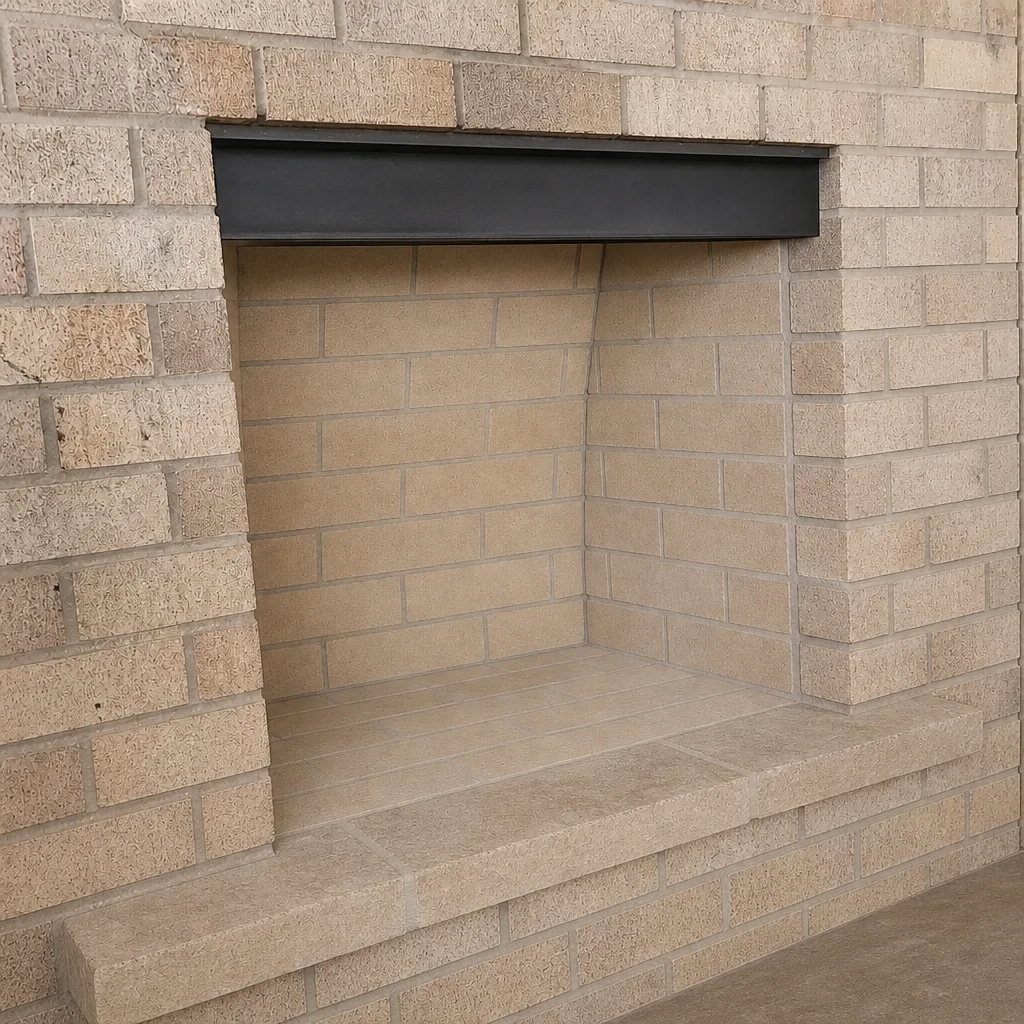 After
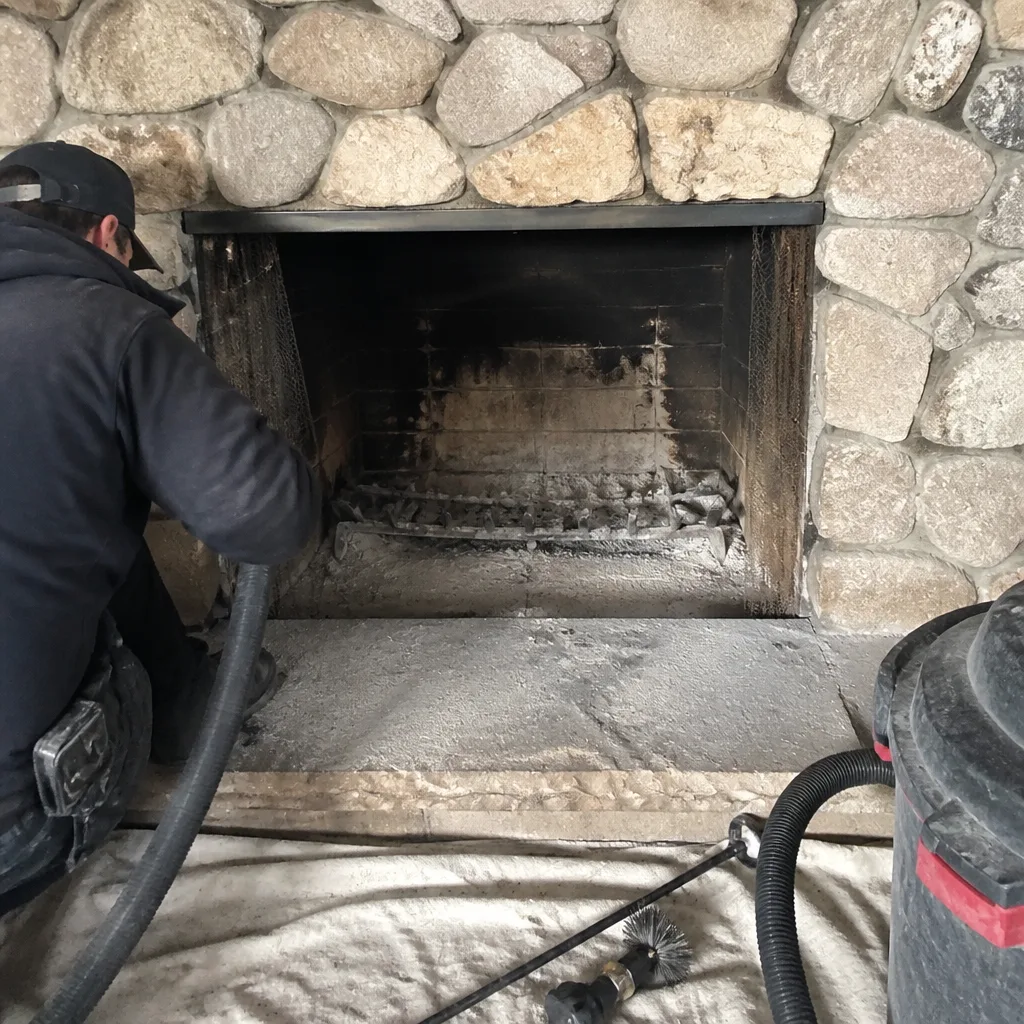 Before
 After
 Before
 After