
Last updated November 23, 2026
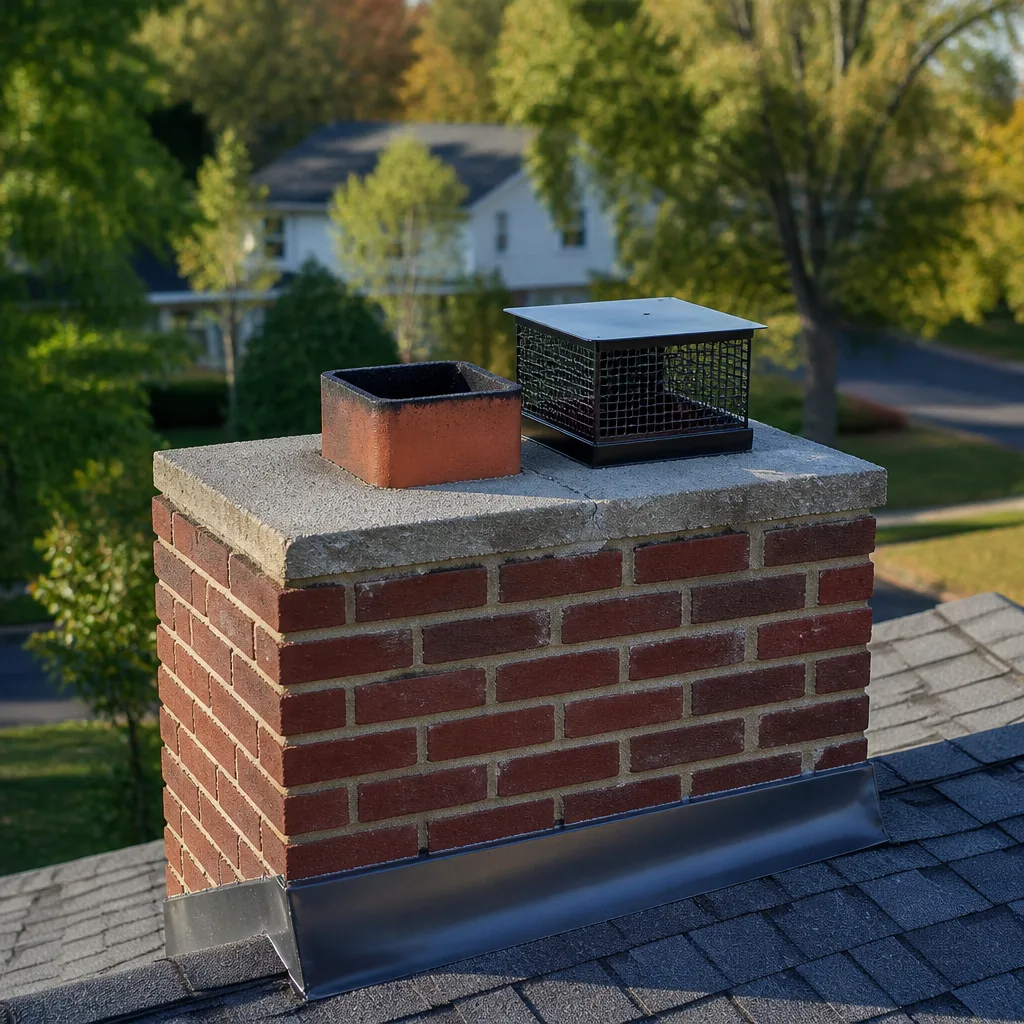 Sweep & inspection
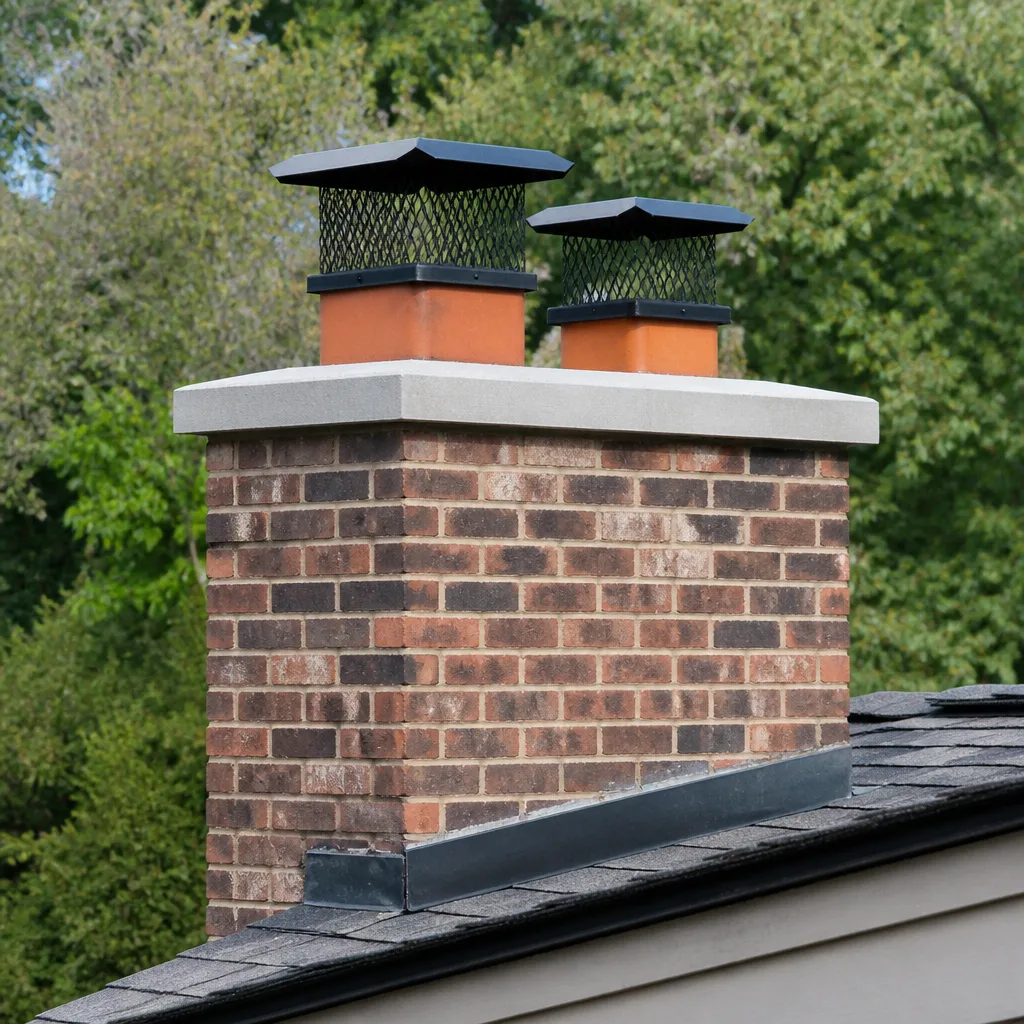 Caps & crowns
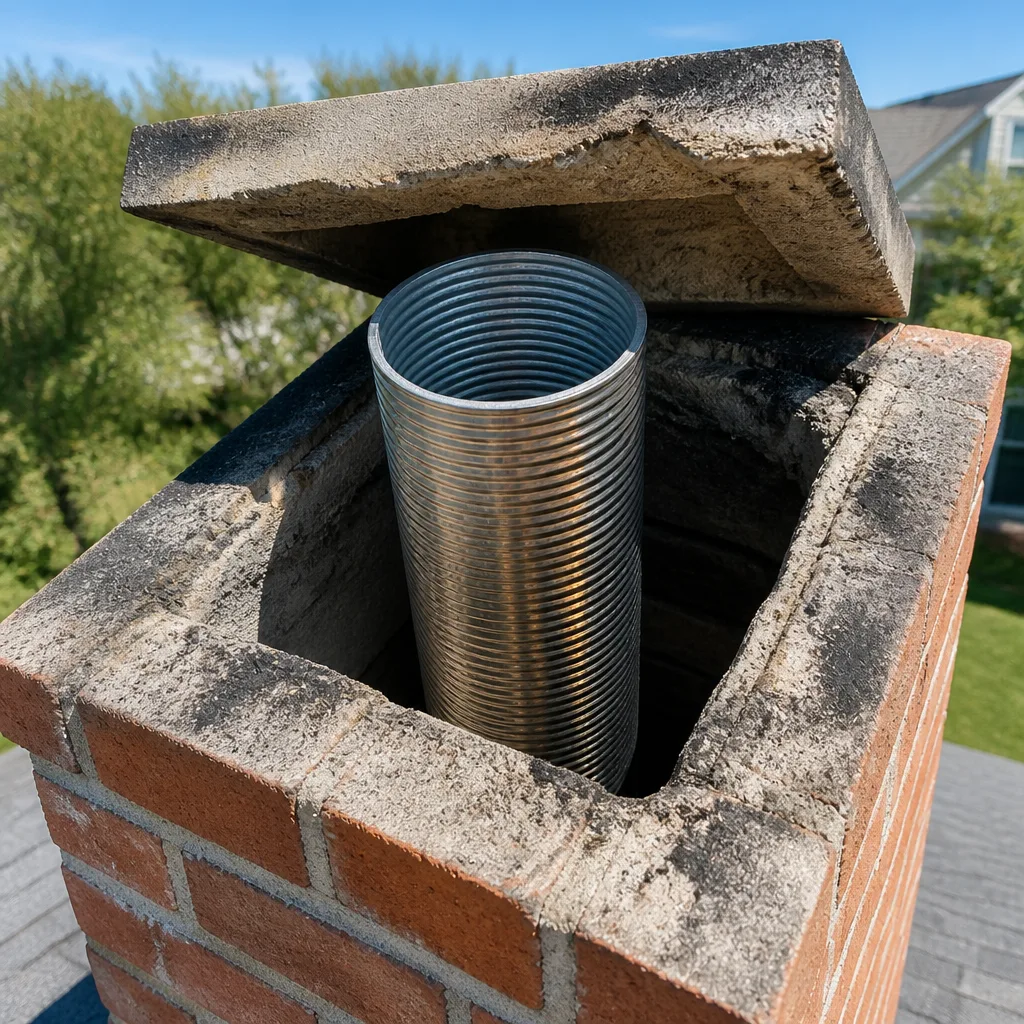 Flue relining
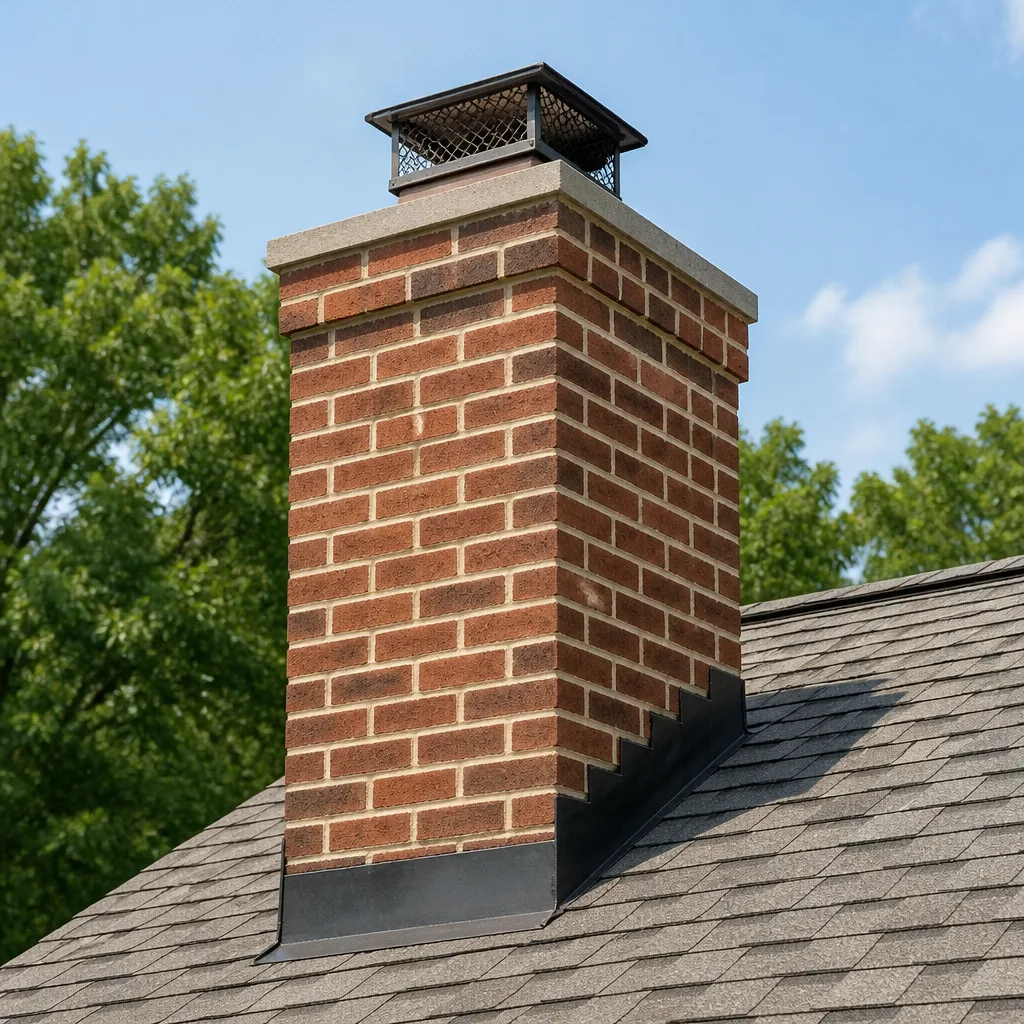 Masonry repair
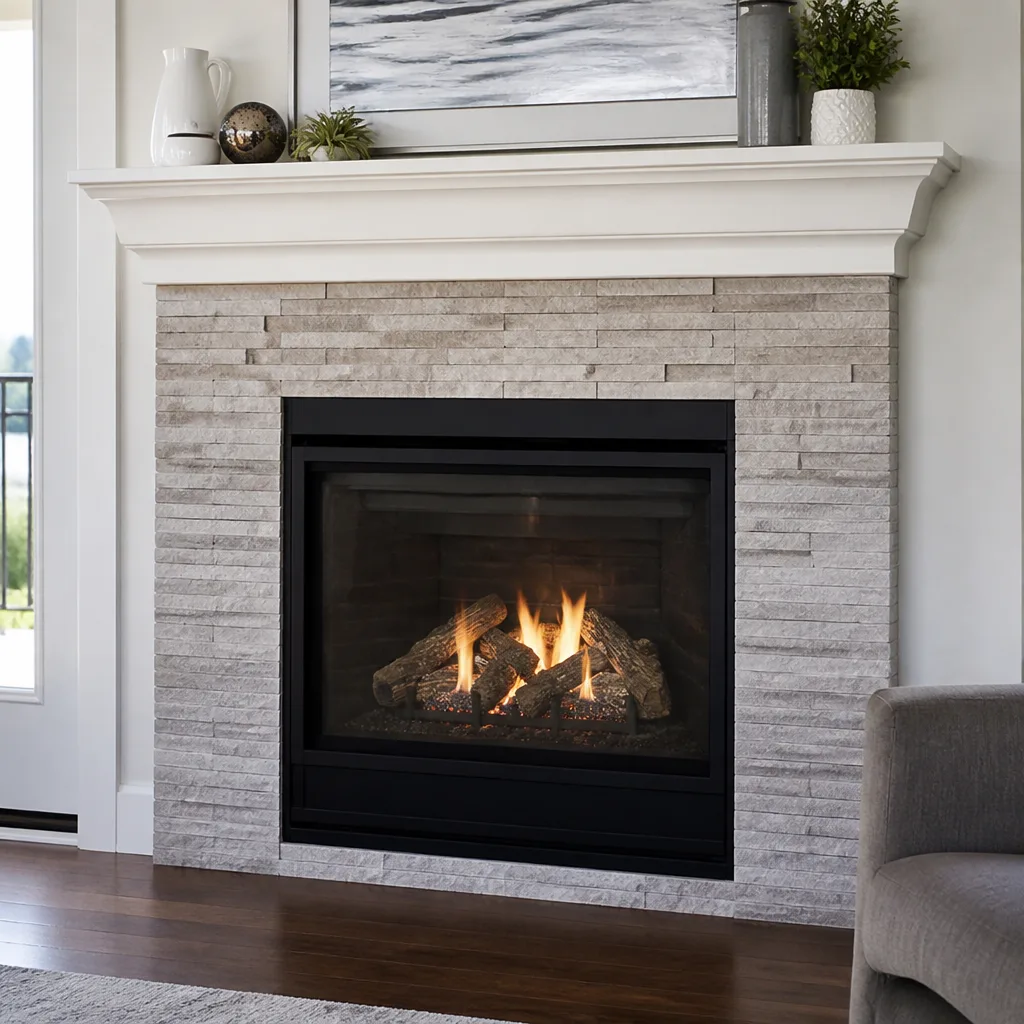 Gas fireplace service
Level 1 sweep and inspection to the NFPA 211 annual standard - flue, crown, cap, and flashing checked and photographed
Chimney sweep logs do not sweep chimneys. They loosen some creosote - which then falls where a brush and vacuum still have to collect it.
Chimney Cleaning Cost Breakdown: The Arvada Homeowner’s Reference for 2026
Most homeowners assume the highest chimney quote is the one trying to take advantage of them. In our experience across Arvada, the opposite is usually true. A cheap sweep and a thorough one can differ by a factor of three or more, and that gap almost never comes from gouging at the top. It comes from scope, credentials, and the quality of materials used at the bottom. A quick brushing and a real evaluation are not the same service, even when both are advertised as a “chimney cleaning.” This guide breaks down what each line item on a chimney invoice actually pays for, so you can compare quotes on value instead of just the bottom number. We’ll cover 2026 price benchmarks for the Arvada and Jefferson County market, what usually follows a cleaning, and how to budget for the long haul.
Quick Answer
A basic chimney sweep in Arvada typically runs $150 to $250, while a full sweep with a Level 1 inspection and camera documentation usually lands between $250 and $350. A Level 2 inspection, needed after a chimney fire, a change of fuel type, or a home sale, runs $350 to $550, and a liner camera scan as a standalone service is generally $200 to $400. Repairs uncovered during the visit, from mortar repointing to a partial reline, add to that total and are priced separately by written estimate.
Styles & brands we work with
- Sweep & inspection
- Caps & crowns
- Flue relining
- Masonry repair
- Gas fireplace service
Table of Contents
- 2026 price benchmarks for every service tier
- What a $79 sweep actually buys you
- What “additional repairs” usually follow a cleaning
- Why professional-grade materials cost more upfront
- How to build a multi-year chimney maintenance budget
- The insurance and home-value math: repair now or reline later
- Common mistakes to avoid
- Frequently asked questions
What Are the 2026 Chimney Service Price Benchmarks in Arvada?
Chimney pricing in Arvada breaks into distinct tiers, and each tier buys a different amount of information and work. Knowing which tier you’re being quoted is the single most useful skill in comparing estimates. Here are the typical ranges for the Arvada and Jefferson County market in 2026, all of them estimates set by a written quote before any work begins.
| Service | Typical 2026 Range | What It Includes |
|---|---|---|
| Basic sweep | $150 – $250 | Brushing of the flue and firebox, soot removal |
| Full sweep with Level 1 inspection | $250 – $350 | Brush, camera documentation, written condition report, smoke chamber work |
| Level 2 inspection | $350 – $550 | Video scan of the entire flue, all accessible components, attic and crawl space checks |
| Liner camera scan (standalone) | $200 – $400 | Video assessment of the flue liner only |
| Chimney cap installation | $150 – $400 | Cap and fit, depending on size and style |
| Crown repair or rebuild | $300 – $1,200 | Sealing, patching, or full crown rebuild |
| Mortar repointing | $400 – $1,500 | Tuckpointing of joints in the stack and firebox |
| Partial reline | $600 – $2,000 | Sectional liner repair or HeatShield flue restoration |
| Full reline | $2,500 – $5,000 | Complete new liner system, insulated |
Those ranges are wide on purpose. A small masonry chimney on a ranch home in Arvada’s older neighborhoods carries a different crown and cap cost than a tall exterior stack. The written estimate narrows the range to a single number for your house. What matters at the comparison stage is which tier each contractor is quoting. A $150 sweep and a $350 sweep are usually not competing on the same job.
What Does a $79 Chimney Sweep Coupon Actually Buy?
A heavily discounted sweep coupon typically buys about 20 minutes of brushing and a sales pitch for repairs. That’s the honest version. The brushing itself is real, and it removes soot from the flue, but the service around it is stripped down to what fits inside the coupon price.
Here’s what gets skipped when the price is that low:
- Camera documentation. A camera run down the flue shows you the condition of the liner. Without it, nobody is looking at the inside of the flue with any precision, including the person sweeping it.
- A written condition report. A report you can keep, compare next year, and hand to an insurer or a buyer. Not a verbal “looks fine” on the way out the door.
- Smoke chamber work. The smoke chamber is the tapering section above the damper. It collects creosote in ridges and corners that a straight flue brush never reaches, and cleaning it properly takes real time.
The pitch that follows is the business model. A low entry price gets a technician into the house, and the flat rate for any repair found is where the visit gets profitable. We’ve seen this pattern enough in Arvada to recognize it, and it’s why our own pricing sits in the middle of the market rather than at the top of the coupon section. The sweep is priced for the work, and everything recommended afterward is backed by camera evidence you can see for yourself.
What “Additional Repairs” Usually Follow a Chimney Cleaning?
Most homes with a burning fireplace will have one or two follow-up items after a sweep, and they usually fall into a short list of predictable repairs. None of them are surprises if the technician shows you the evidence. If you’re told you need a repair without being shown the camera footage or a photograph of the problem, ask to see it before you agree to anything.
The repairs that most often follow an Arvada cleaning:
- Mortar repointing ($400 – $1,500). Freeze-thaw cycles along the Front Range work on the mortar joints in the chimney stack. When the joints crumble, they get ground out and repacked with fresh mortar.
- Chimney cap replacement ($150 – $400). A cracked, missing, or rusted cap is the most common source of water intrusion. Water gets in through the top and finds every weak point on the way down.
- Crown repair or rebuild ($300 – $1,200). The crown is the concrete cap at the top of the stack. When it cracks and pulls away from the flue, water runs into the masonry. A hairline crack can be sealed; a failed crown gets rebuilt.
- Damper repair. A damper that won’t seal lets heated room air escape up the chimney and lets cold air down when the fireplace is idle. In an Arvada winter, a leaking damper costs more than the repair in a season or two.
- Partial relining ($600 – $2,000). A liner with a crack or a gap in one section may be repairable in place. This is where a HeatShield flue restoration can save a homeowner from a full reline when the damage is caught early.
- Full reline ($2,500 – $5,000). A liner that is cracked, broken, or pulled away from the wall in multiple places needs to be replaced before the next fire.
The order matters. A cap and crown first protect everything below them. If the cap is compromised, no amount of liner work holds up, because water keeps finding its way back in. When our team assesses an Arvada chimney, we start at the top and work down, and we say plainly when a repair can safely wait until next season.
Why Do Professional-Grade Materials Cost More Upfront?
Professional-grade liner and flue repair materials cost more at the start because the failure they prevent is expensive to undo. The same liner brands specified by certified chimney professionals nationwide are the ones we install: DuraFlex liner systems, Olympia Chimney components, and Copperfield, alongside Famco for cap and crown work. Generic alternatives look identical on the invoice. They don’t hold up the same way over twenty winters of freeze-thaw in Arvada.
What failure looks like depends on the material:
- A low-grade stainless liner can thin and crack at the seams faster than a professional-grade one, and by the time the crack is visible on camera the liner is not repairable.
- An underspec cap rusts through in a few seasons and lets water straight into the flue, which is exactly the problem the cap was supposed to solve.
- A generic crown mix cracks and separates from the flue, and each crack feeds water into the masonry below.
HeatShield is a good example of a material that changes what’s possible. It’s a ceramic flue repair system that resurfaces the inside of a damaged liner without removing it. Where a liner has isolated cracks but the structure is sound, a HeatShield application restores the flue from the inside, which is far cheaper than a full reline. Where the liner is too far gone, HeatShield isn’t appropriate and we say so. The material only saves money when it’s the right tool for the actual condition of the flue. That’s the honest version, and it’s why we carry it as one option among several rather than as a universal answer.
How Do You Build a Multi-Year Chimney Maintenance Budget?
Chimney costs become predictable when they’re scheduled rather than discovered. An annual sweep with inspection, done consistently, catches small items while they’re still in the $150 to $400 range. Skip it for three years, and the same items tend to arrive in the $1,500 to $5,000 range all at once, after a problem has been building quietly. Building the budget is not complicated, but it does require doing the small work on schedule.
A practical multi-year plan looks like this:
- Every year: annual sweep and Level 1 inspection. Budget $250 to $350. This is the baseline, and it also gives you a written record of the chimney’s condition year over year.
- Every year: a visual check of the cap and crown from the ground. Any damage you can see from outside gets looked at during the annual visit. A $150 to $400 cap replacement now prevents the $1,200 crown rebuild later.
- Every three to five years: a Level 2 inspection. Budget $350 to $550. This is the full video scan, and it catches liner problems a Level 1 won’t see.
- Set aside a repair reserve. A realistic figure for most homes is $300 to $500 per year, so that when repointing or a partial reline comes due, it’s already budgeted and not an emergency.
- Plan for a reline on a long horizon. Most liners last many years, but a home built decades ago on its original clay tile liner should expect a full reline eventually. Knowing that now vs. discovering it after a chimney fire is the difference between a planned $2,500 to $5,000 expense and an unplanned one in the middle of winter.
Along the Front Range, the sweep is best scheduled before the heating season, so any repair found has time to be completed before the fireplace is in daily use. That’s the seasonal urgency, not the hourly kind. A booked sweep in the fall is a much easier conversation than a fire in January with a compromised liner.
Is a $600 Liner Repair Worth It, or Is a $4,000 Full Reline the Better Long-Term Answer?
Sometimes a $600 to $2,000 partial repair is the right call, and sometimes the money is better spent toward a full reline. The deciding factor is what the camera shows and how the liner failed. If you need to understand the whole system, we can help with a thorough Arvada chimney sweep pros visit that evaluates the flue, the cap, the crown, and the firebox together before any recommendation is made.
The calculation usually comes down to these questions:
- Where is the failure? A liner with cracks in one section, with the rest of the flue structurally sound, is a good candidate for a partial repair or a HeatShield restoration. A liner with multiple failures, or one that has pulled away from the wall, is not.
- How old is the liner material? Older clay tile liners that are already failing in more than one place tend to keep failing. Fixing them one section at a time can cost more over five years than a full reline done once.
- What is the fuel type and use? A wood-burning fireplace in heavy use is harder on a liner than a gas unit. The expected lifecycle of the repair depends on that.
- What does the home’s long-term plan look like? If the house is being sold in a year, a partial repair may be the answer, and a full reline becomes the buyer’s problem. If the plan is to stay for ten years, the full reline is usually the more economical answer.
On the insurance side, the math is simpler than it looks. A chimney fire caused by a compromised liner can leave a homeowner with a claim dispute about whether the fire was preventable, and many insurers now ask for documentation of the last inspection. That documentation is the written report from your annual visit. A repair now, followed by an annual inspection record, is a lower-cost path than a large claim, a higher premium, or a home sale that stalls on an inspection finding.
What Actually Happens During a Chimney Sweep in Arvada?
A full chimney sweep in Arvada takes roughly an hour to ninety minutes for a typical fireplace, and the work should follow a clear sequence. The setup protects the room. The brushing removes soot and creosote. The camera goes down the flue. And you get a written report before the technician leaves. A sweep that skips the third step is a sweep without a record.
A thorough visit follows these steps:
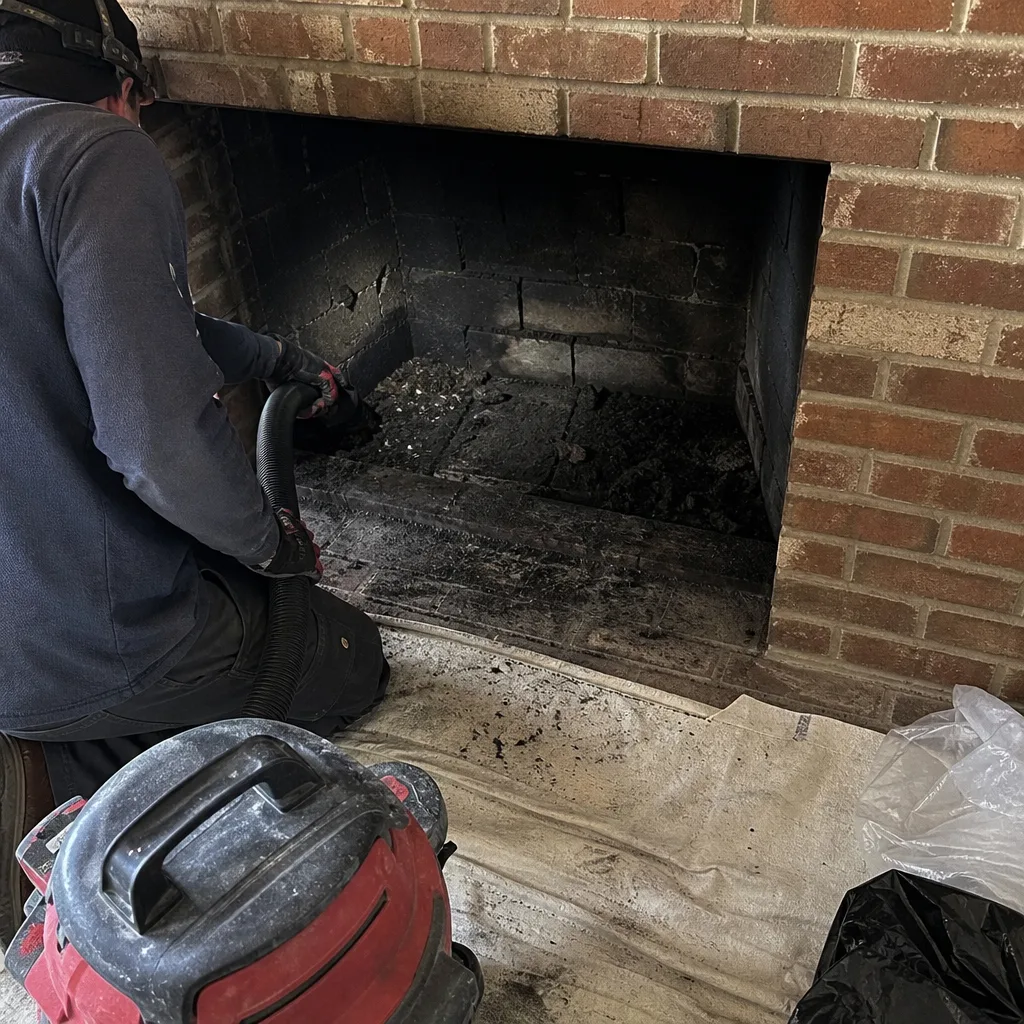
- Set up the work area. Drop cloths, a sealed work zone, and a shop vacuum rated for fine soot.
- Inspect before sweeping. A quick look at the firebox, damper, and the top of the flue, so the sweep isn’t pushing debris into a blocked flue.
- Brush the flue. From the top or the bottom, depending on the chimney, with the brush matched to the flue’s shape.
- Clean the firebox and smoke chamber. The smoke chamber work is the part that separates a real sweep from a quick one.
- Run the camera down the flue. Every homeowner should see this footage. We show it and leave a written report of what it shows.
- Note any repairs found and walk through them with you. Nothing gets recommended without the camera evidence to back it up.
If you’ve already noticed a draft problem or a smell from the fireplace, the inspection sometimes crosses over into fireplace repair, and the diagnostic and the fix should be handled by the same company. We handle both, so a finding on the inspection doesn’t sit unaddressed while you schedule a second contractor.
What Kinds of Chimney Repair Come Up Most Often in Arvada?
The most common repair in Arvada is water damage showing up as a failed cap or crown. Freeze-thaw cycles along the Front Range are hard on masonry, and the top of the chimney takes the weather year-round. Water intrusion at the top is the most predictable failure, and it’s the most preventable one.
The repairs that follow from that, in order of frequency:
- Cap replacement with a professional-grade unit from Copperfield or Famco, sized and fitted to the flue.
- Crown repair or rebuild, sealing hairline cracks where possible and rebuilding failed crowns.
- Mortar repointing on the stack and around the firebox, especially on older construction.
- Flue relining, full or partial, when the camera shows the liner has failed.
- Damper repair or replacement when the seal is gone.
We handle all of these as one company. If a sweep uncovers a repair, the same team that did the inspection does the repair, with the materials we already specified. No handoff to a second contractor, no gap between the diagnosis and the fix. When the repair involves the liner, DuraFlex and Olympia Chimney components are the professional-grade brands we work with. When the repair is masonry, the work is standard chimney repair, done to protect the parts below it. The cap and crown work is where we see the biggest difference in quality, because it’s a category many general handymen skip or underspec. It’s also the cheapest repair in the budget, which makes skipping it a false economy.
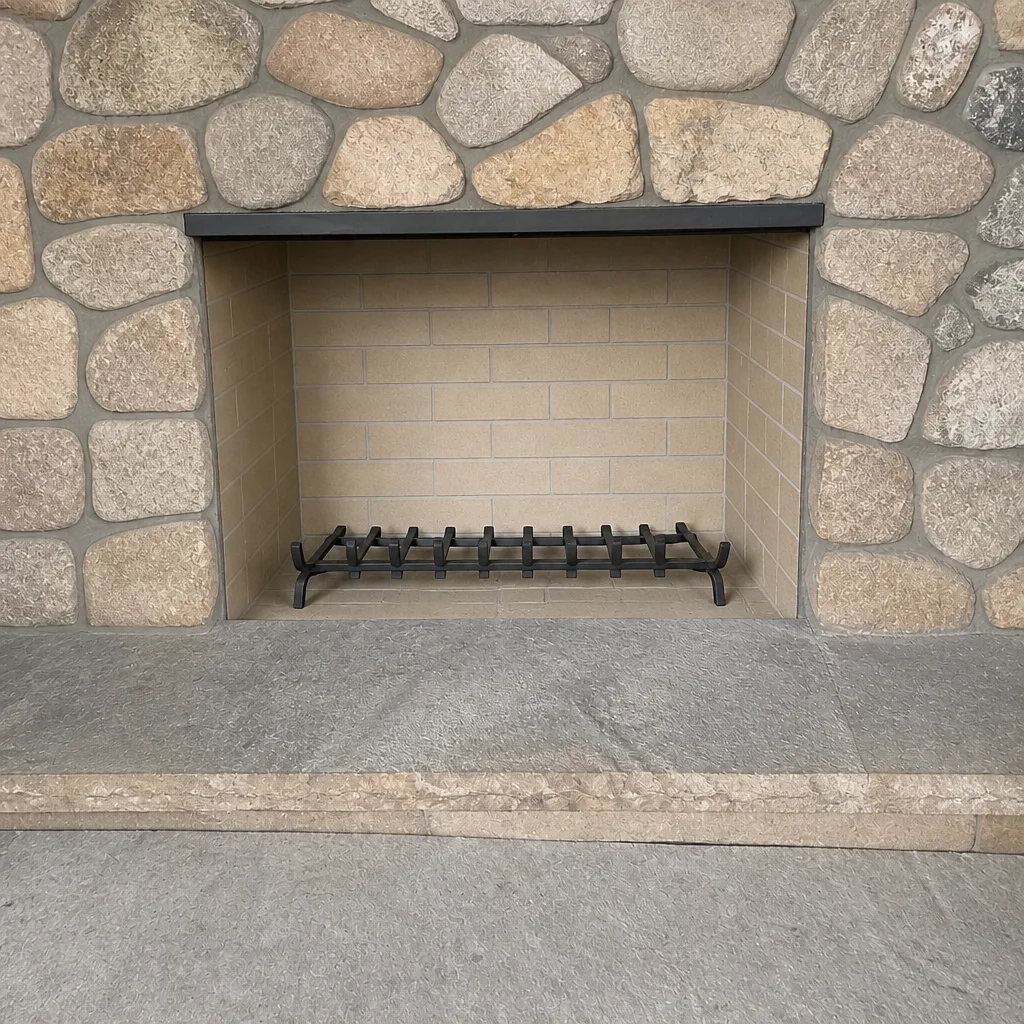
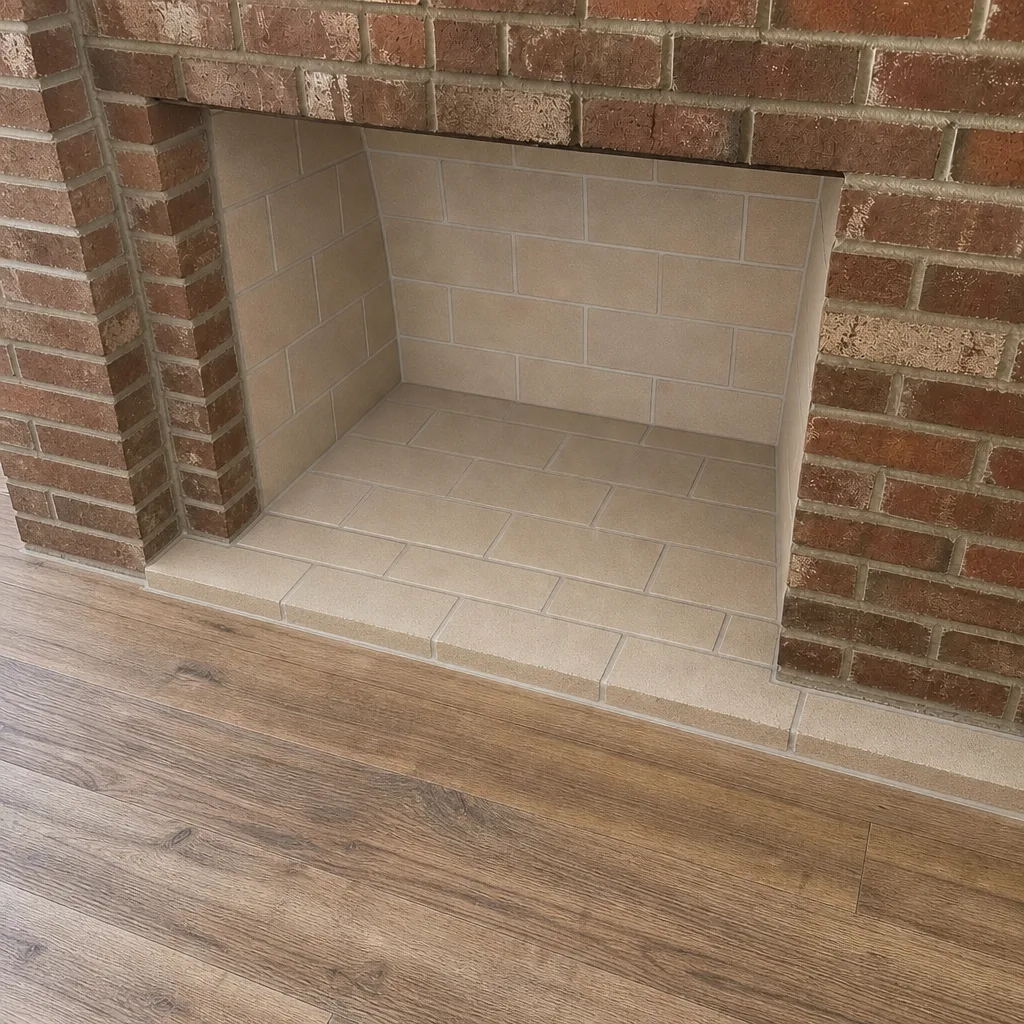
See the difference
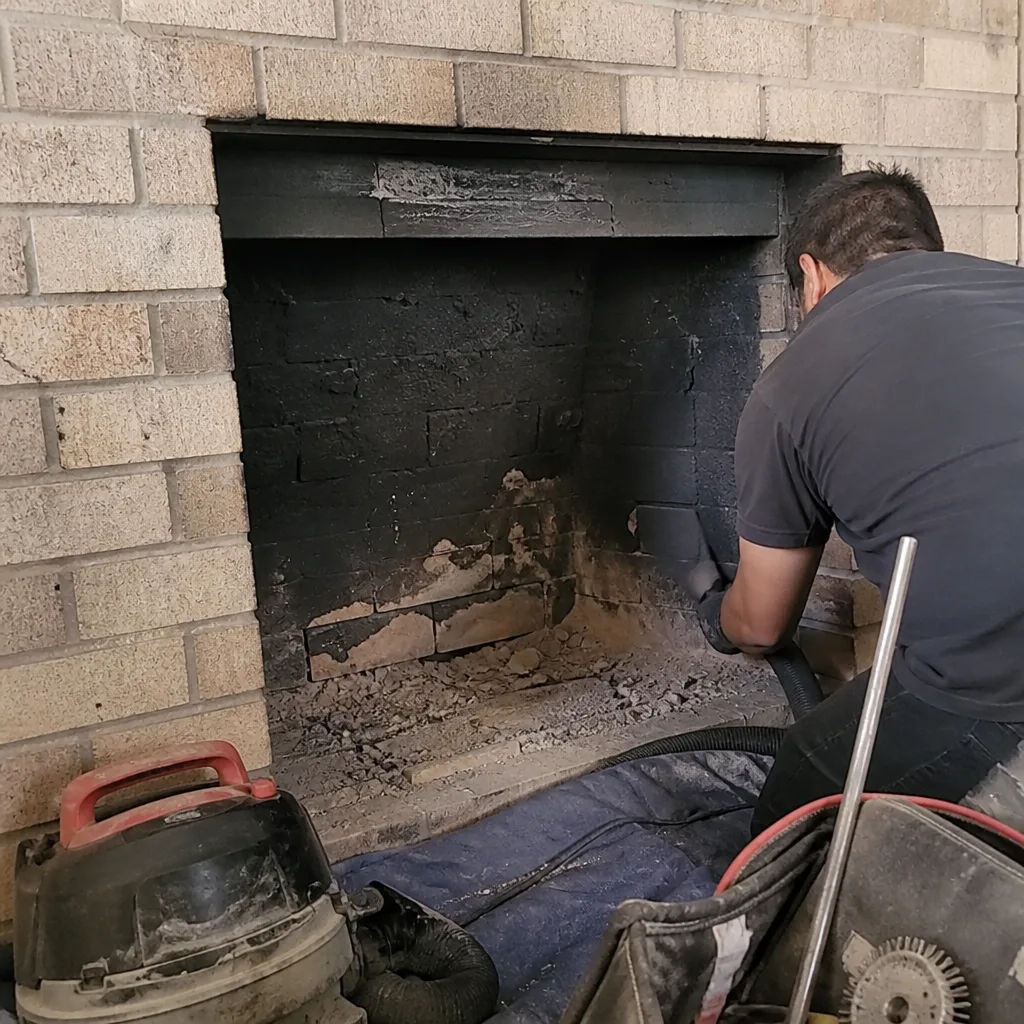 Before
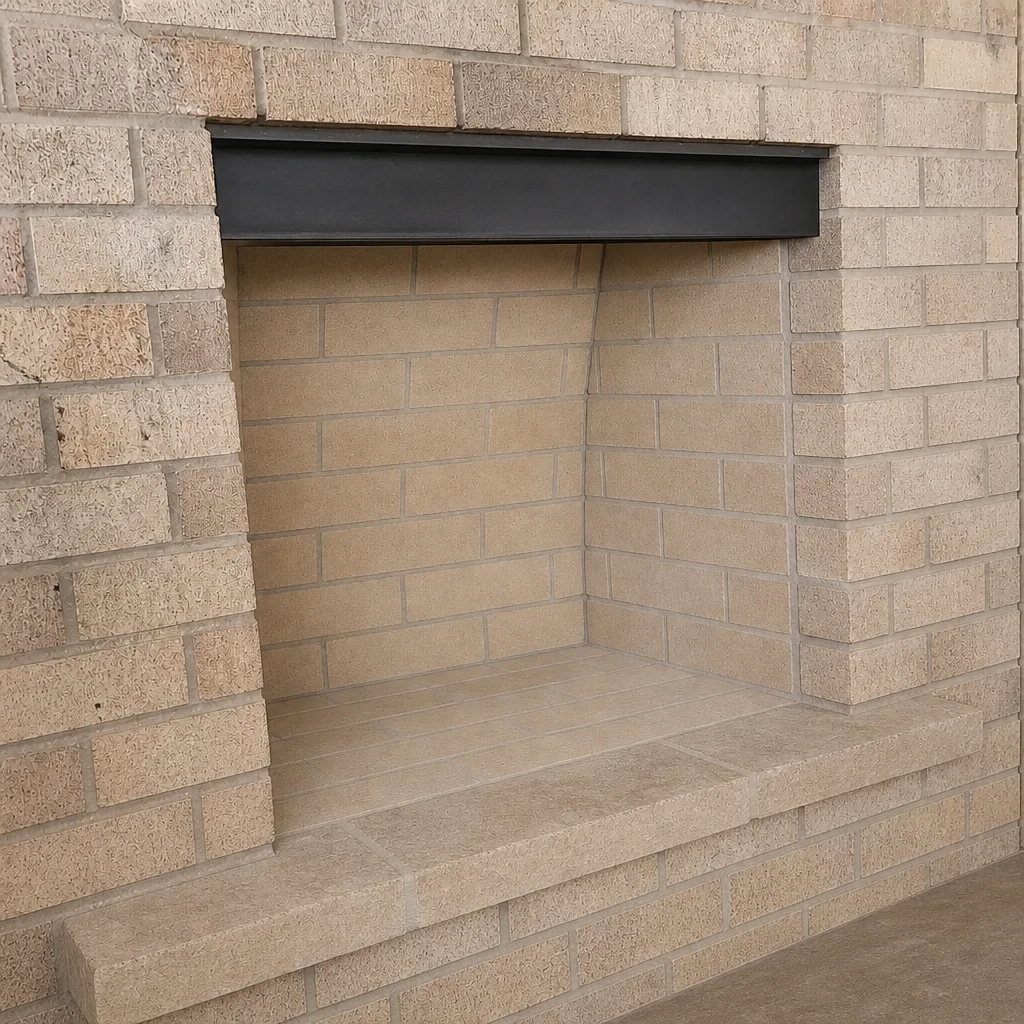 After
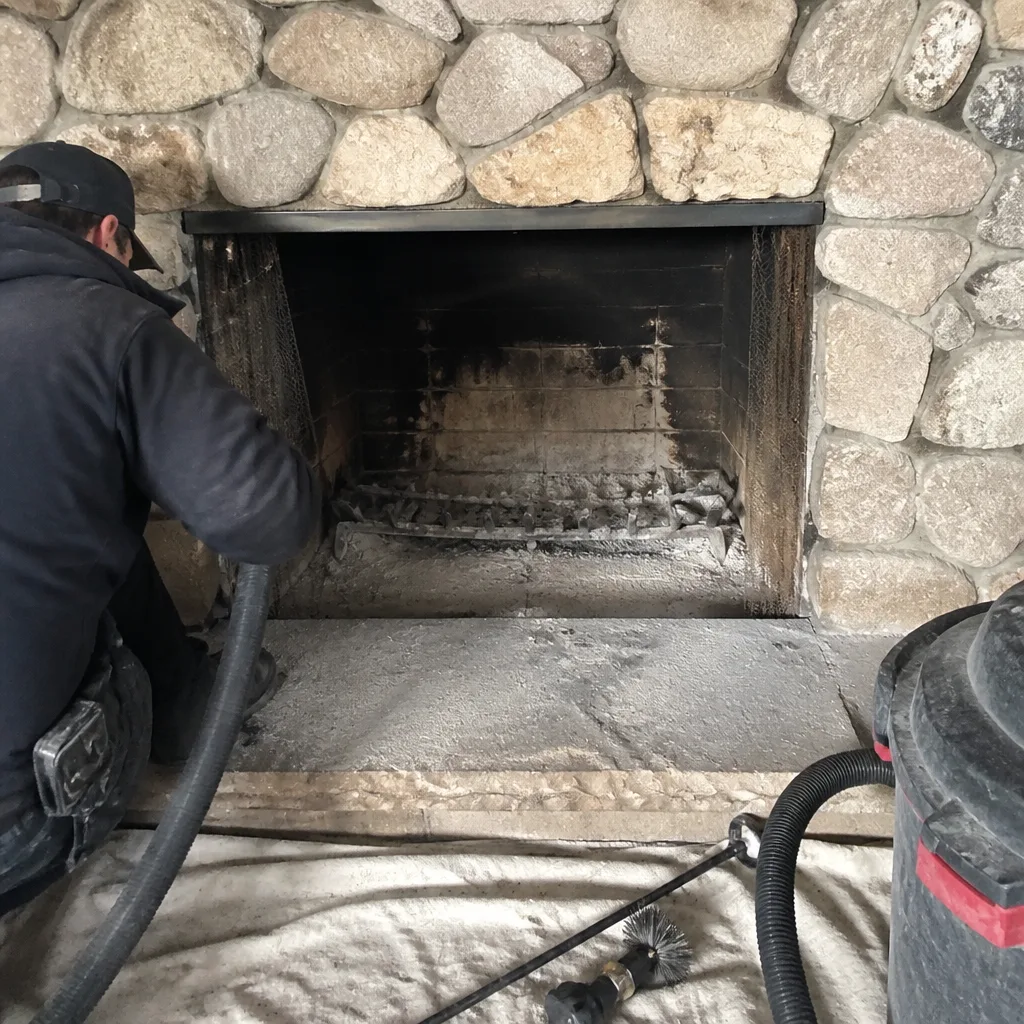 Before
 After
 Before
 After
Common Mistakes to Avoid
- Buying on the coupon price alone. A $79 sweep is not the same service as a $300 sweep. The difference is the camera, the report, and the smoke chamber work. Compare the scope, not just the bottom line.
- Accepting a repair recommendation without seeing the evidence. Every recommendation we make is backed by camera footage or a photograph. If another company won’t show you, ask to see the footage before you agree.
- Skipping the annual sweep to save money. The annual visit is the cheapest line item in the whole budget and the one that prevents the expensive ones. It’s also what builds the inspection record insurers and buyers ask for.
- Letting a failed cap go through one winter unminded. A cracked or missing cap in Arvada is a direct path for water into the masonry. A $150 to $400 replacement now is a cheaper problem than a crown rebuild later.
- Choosing the lowest bid for liner work. Generic liner and cap materials look the same on the invoice and fail faster. Professional-grade brands like DuraFlex and Olympia Chimney cost more because they last longer, which is the whole point of the repair.
- Treating HeatShield as a universal answer or a universal risk. HeatShield flue restoration is the right call for some flues and the wrong one for others. A contractor who recommends it without a camera scan is selling a product, not solving a problem.
- Waiting for a chimney fire to schedule the first inspection. The chimney fire is the outcome, not the trigger. The inspection should come first, before the fireplace goes into daily use for the season.
When to Call a Professional
Call a professional chimney company when you’ve moved into a new home with a fireplace and don’t know when it was last serviced, when you’ve burned a full season without a sweep, or when you’ve noticed a draft problem, a smell from the fireplace, or visible staining on the outside of the stack. Call if you can see spalling brick, a cracked crown, a rusted cap, or a cap that’s come loose. Call if you’ve had a chimney fire, even a small one, because a fire changes what’s needed on the next inspection. And call if a home inspector flagged the chimney on a pre-sale report. Arvada Chimney Sweep Pros offers free estimates in Arvada, and every recommendation we make comes with the camera evidence to back it up. Call (877) 502-4468. We answer 24/7. Fast dispatch from 7am to 7pm, Sunday through Friday.
Frequently Asked Questions
Chimney cleaning in Arvada typically costs $150 to $250 for a basic sweep and $250 to $350 for a full sweep with a Level 1 inspection and camera documentation. The written estimate sets the final price, and the estimate itself is free. Call (877) 502-4468 for an exact quote.
It depends on what the camera shows. A liner with isolated cracks and a sound structure can often be repaired with a partial reline or a HeatShield flue restoration for $600 to $2,000. A liner with multiple failures or one that has pulled away from the wall needs a full reline, typically $2,500 to $5,000. We show you the footage and give you both paths when both are viable.
Once a year for a wood-burning fireplace in regular use, or more often if you burn a lot of wood through the season. The annual sweep also builds the written inspection record you’ll want for insurance and for a home sale. It’s the cheapest line item in the maintenance budget. Call (877) 502-4468 to book yours before the heating season.
Creosote builds up in the flue, and the smoke chamber collects it in the ridges a brush can’t reach on a quick job. The buildup is the fuel load for a chimney fire, and the annual inspection is also what catches a cap, crown, or liner problem while it’s still in the $150 to $400 range. Skipping it doesn’t save money, it defers the cost to a larger bill later. Call (877) 502-4468 for a free estimate.
Because they’re usually not the same job. One quote may cover a brush and soot removal, while another covers the smoke chamber, camera documentation, a written report, and a full inspection. The materials also matter: professional-grade liner and cap brands like DuraFlex and Olympia Chimney cost more upfront than generic alternatives. Compare the scope on each quote, not just the total.
Sometimes, yes. A hairline crack in a crown or a cap that has a season of life left can often wait, and we’ll say so. A failed liner, a missing cap in a freeze-thaw climate, or an active water leak should be repaired before the next fire. We tell you which category your repair falls into, and we say plainly when a repair can safely wait.
The Bottom Line
Chimney cleaning costs in Arvada vary by a factor of three or more, and that spread usually reflects what each contractor is actually doing, not price gouging at the top. A full sweep with a Level 1 inspection runs $250 to $350 and includes the camera work and written report that a $150 sweep leaves out. A Level 2 inspection is $350 to $550. The repairs that follow, from a $150 to $400 cap to a $2,500 to $5,000 reline, get priced per job by written estimate. The same company should do the sweep and the repair, so nothing gets handed off mid-project. If you’re comparing quotes in Arvada, compare the scope, the materials, and the evidence, and you’ll find the value is rarely at the lowest number. Call (877) 502-4468 for a free estimate.
Written by the team at Arvada Chimney Sweep Pros.